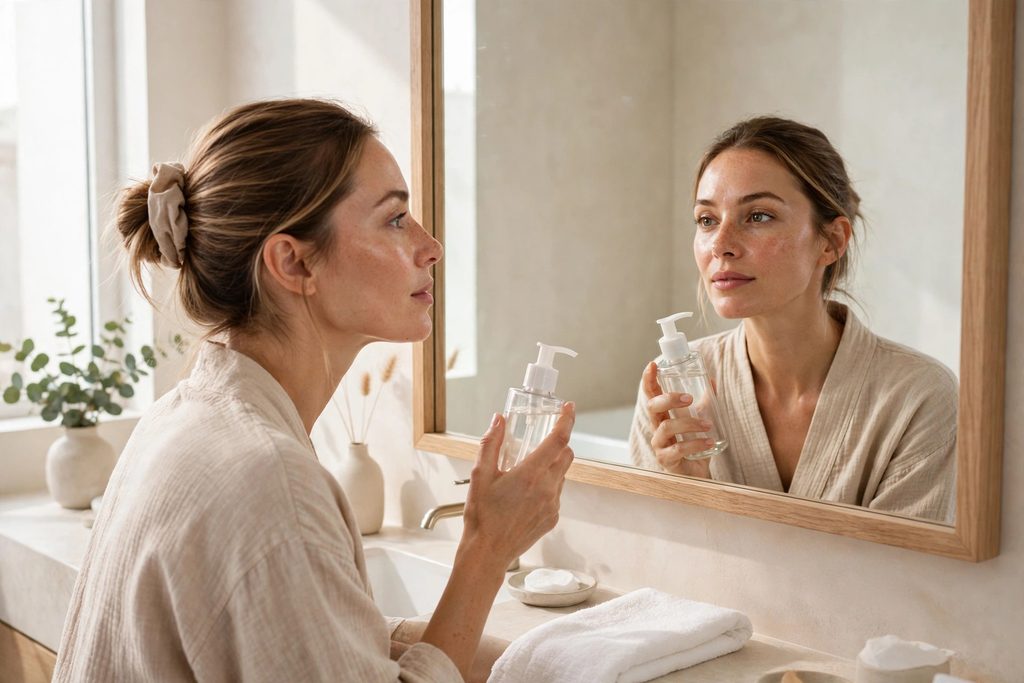
Healthy-looking skin is not only about finding the right cleanser, serum, or moisturizer. Your everyday choices also matter, from how much sleep you get to how carefully you protect your skin from sunlight. Some seemingly harmless routines can gradually contribute to dryness, irritation, breakouts, and premature signs of aging.
Understanding the unhealthy habits that affect skin can help you make better decisions without spending a fortune on beauty products. Often, improving your skin starts with changing a few small behaviors rather than adding another complicated step to your skincare routine.
Whether you enjoy experimenting with beauty trends or prefer a simple approach to self-care, building skin-friendly habits can make your routine more consistent. Here are ten common habits worth reconsidering, along with practical ways to replace them.
Quick Answer: What Are the Unhealthy Habits That Affect Skin?
Common unhealthy habits that affect skin include skipping sunscreen, smoking, sleeping with makeup on, washing too aggressively, picking blemishes, taking very hot showers, frequently touching your face, eating an unbalanced diet, drinking too much alcohol, and neglecting sleep or stress management.
These habits do not affect everyone in exactly the same way. Your skin type, environment, age, genetics, medications, and existing skin conditions can all influence how your skin responds.
The best starting point is to identify which habits are part of your daily routine and replace them with manageable alternatives. Gentle cleansing, regular sun protection, adequate rest, balanced meals, and consistent moisturizing are useful foundations for many people.
1. Skipping Sunscreen and Sun Protection
One of the most important unhealthy habits that affect skin is regularly going outdoors without adequate sun protection. Ultraviolet (UV) radiation can damage skin, contribute to premature aging, and increase the risk of skin cancer.
Cloudy weather does not eliminate UV exposure. Everyday activities such as walking to work, shopping, driving, or sitting outdoors can add to your overall exposure.
Why it matters: Repeated unprotected exposure can contribute to wrinkles, uneven pigmentation, sunburn, and other signs of skin damage.
A better habit: Choose a broad-spectrum, water-resistant sunscreen with SPF 30 or higher for outdoor activities. Apply it to exposed skin and reapply at least every two hours when outdoors, or after swimming or sweating.
You can also wear sunglasses, a wide-brimmed hat, and lightweight clothing that covers your skin. The American Academy of Dermatology’s sun protection guidance explains how sunscreen, shade, and protective clothing work together.
2. Sleeping Without Removing Makeup
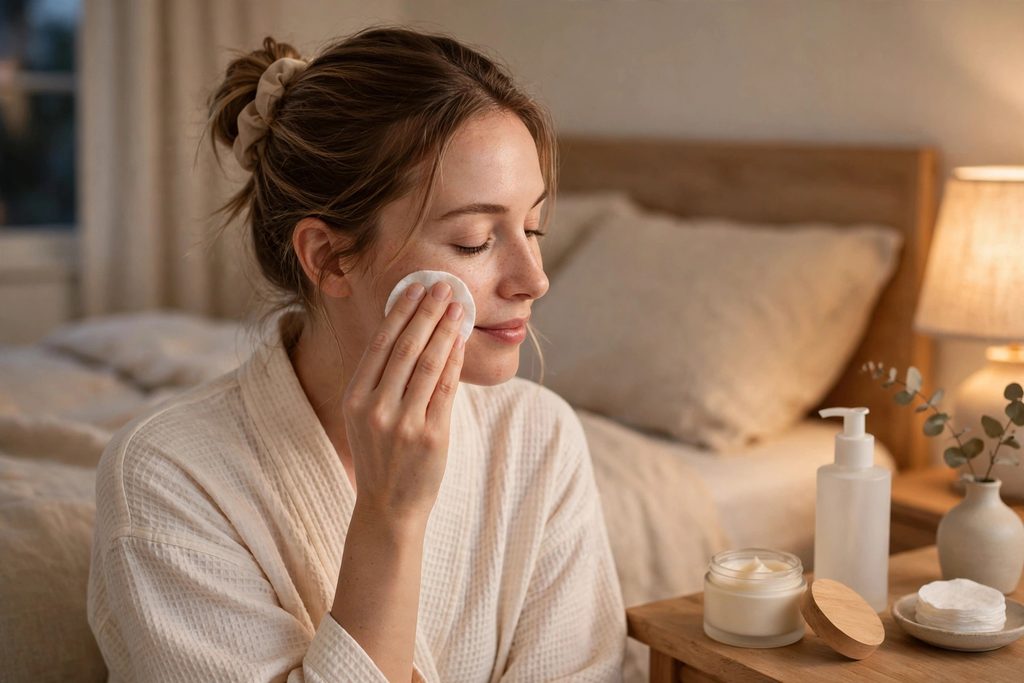
After a long day, removing makeup can feel like an unnecessary chore. However, regularly going to bed without cleansing can leave makeup, sunscreen, sweat, and everyday dirt on your skin.
For some people, this may contribute to clogged pores, irritation, or breakouts. Eye makeup can also irritate the delicate skin around the eyes if it is not removed properly.
Why it matters: Your evening routine is an opportunity to remove the buildup accumulated throughout the day. Skipping it repeatedly can make it harder to keep your skin clean and comfortable.
A better habit: Remove makeup before bed using a gentle cleansing balm, micellar water, or suitable makeup remover. Follow with a mild facial cleanser if needed, then apply moisturizer.
If you are exhausted, keep a simple cleansing routine rather than relying on several complicated products. A consistent, gentle approach is easier to maintain.
3. Overwashing and Scrubbing Your Face
Clean skin does not need to feel tight or squeaky. Washing too frequently, using harsh cleansers, or scrubbing with rough exfoliating tools can irritate the skin.
This is another of the unhealthy habits that affect skin because aggressive cleansing may disrupt the skin’s natural protective surface. People with sensitive or dry skin may notice more discomfort when their routine is too harsh.
Why it matters: Irritation can appear as redness, tightness, flaking, or increased sensitivity. Scrubbing acne-prone skin can also make irritation worse.
A better habit: Wash your face gently with lukewarm water and a mild cleanser. For many people, cleansing in the morning and before bed is sufficient, with an additional wash after heavy sweating.
Use your fingertips rather than abrasive brushes or rough cloths. Pat your face dry with a clean towel instead of rubbing it.
The American Academy of Dermatology’s guide to healthier-looking skin recommends gentle cleansing and avoiding excessive scrubbing.
4. Picking Pimples and Touching Your Face
It can be tempting to squeeze a pimple as soon as it appears, especially before an important event. However, picking, scratching, or repeatedly touching blemishes can increase irritation and may raise the risk of infection, discoloration, or scarring.
Your hands also come into contact with phones, door handles, keyboards, and other surfaces throughout the day. Frequent face touching can transfer dirt and oils to your skin.
Why it matters: Squeezing blemishes can damage surrounding skin and make an inflamed spot take longer to settle.
A better habit: Avoid squeezing pimples, even when they have a visible white tip. If you want to use a targeted acne treatment, choose a product appropriate for your skin and follow its instructions.
You can also keep your hands clean, regularly clean items that touch your face, and avoid resting your chin or cheeks on your hands.
For occasional blemishes, a hydrocolloid patch may help protect the area from picking. It is not a cure for acne, but it can serve as a useful reminder to leave the spot alone.
5. Taking Very Hot Showers and Baths
A long, hot shower can feel relaxing, particularly after a busy day. However, frequent exposure to very hot water can remove some of the skin’s natural oils and make dryness or irritation worse.
This can be especially uncomfortable if you already have dry or sensitive skin. Using strong soaps at the same time may increase the problem.
Why it matters: Dry skin can feel rough, tight, itchy, or flaky. Hot water may make these symptoms more noticeable.
A better habit: Choose warm rather than hot water and keep showers reasonably short. Use a mild cleanser, especially on areas that do not need frequent intensive washing.
After bathing, gently pat your skin dry and apply moisturizer while it is still slightly damp. A cream or ointment may be more suitable than a lightweight lotion if your skin is particularly dry.
6. Smoking and Regular Exposure to Tobacco Smoke
Smoking is one of the unhealthy habits that affect skin beyond its appearance. Tobacco use is associated with premature skin aging, wrinkles, and changes in skin texture.
The National Institute on Aging’s skin care guidance identifies smoking as one factor that can contribute to dry and rough skin. The American Academy of Dermatology also notes that smoking can speed up visible skin aging.
Why it matters: Smoking can contribute to a duller appearance and more noticeable lines over time. It also has serious health consequences beyond skin concerns.
A better habit: If you smoke, consider seeking support to quit. A healthcare professional can help you explore appropriate cessation resources and strategies.
Avoiding tobacco smoke where possible is also a sensible step. Skincare products cannot fully counteract the effects of smoking, so addressing the habit itself is more meaningful than relying on a cosmetic solution.
7. Eating an Unbalanced Diet
Your skin is part of your body, so overall nutrition matters. Frequently relying on highly processed meals while missing out on a variety of nutrient-rich foods may make it harder to maintain balanced nutrition.
However, it is important not to assume that one food automatically causes acne or that a restrictive diet will create perfect skin. Research into relationships between particular foods and skin conditions is still developing, and individual responses vary.
Why it matters: A limited diet may not provide the variety of nutrients your body needs for normal functions, including maintaining healthy skin.
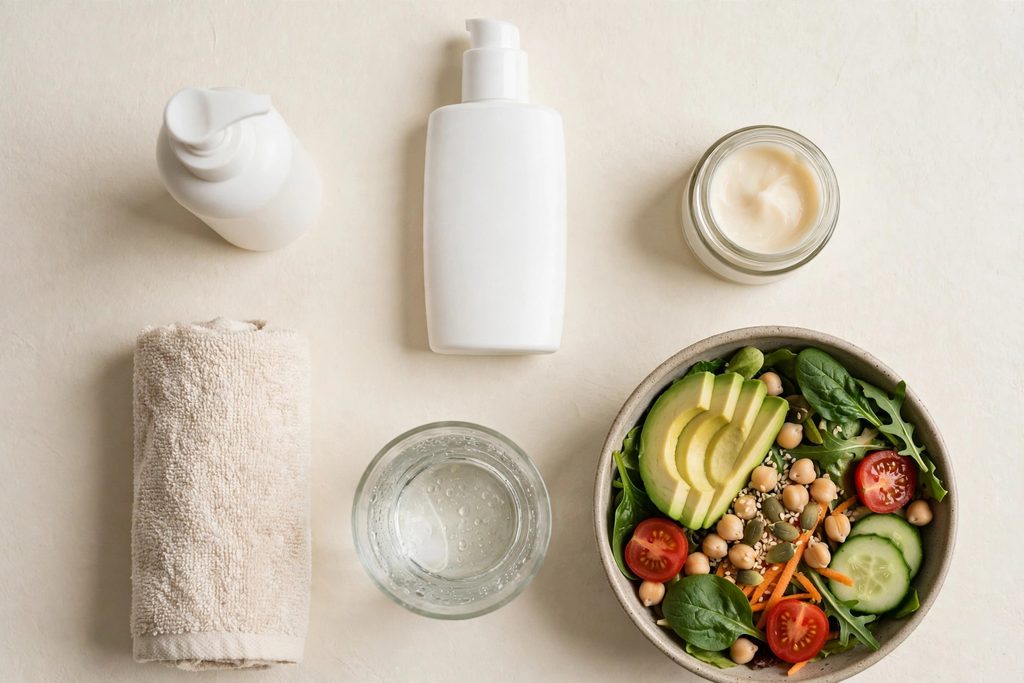
A better habit: Aim for balanced meals that include vegetables, fruit, protein sources, whole grains, and healthy fats. Try to vary your food choices rather than depending on a single so-called beauty food.
For practical meal planning, consider including:
- Colorful vegetables: Choose leafy greens, carrots, tomatoes, and other vegetables you enjoy.
- Fruit: Add berries, citrus fruit, bananas, or seasonal options.
- Protein: Include foods such as eggs, fish, beans, tofu, or poultry.
- Healthy fats: Consider nuts, seeds, olive oil, and avocado.
- Whole grains: Choose oats, brown rice, or whole-grain bread when suitable.
If you suspect a particular food is affecting an existing skin condition, discuss the pattern with a qualified healthcare professional before removing major food groups.
8. Drinking Too Much Alcohol and Not Drinking Enough Water
Alcohol can contribute to dehydration, while not drinking enough fluids may leave you feeling unwell and can contribute to dry skin. These factors are worth considering if your lifestyle regularly includes heavy drinking or inadequate fluid intake.
However, drinking extra water is not a guaranteed treatment for acne, wrinkles, or other skin conditions. Hydration supports general health, but it cannot replace appropriate skincare or medical treatment.
Why it matters: Alcohol may contribute to dryness and can affect sleep and general well-being. The effects vary depending on the amount consumed and individual circumstances.
A better habit: Keep water available throughout the day and drink regularly, adjusting your intake for activity, climate, and personal needs. Reduce alcohol consumption if it is a frequent part of your routine.
If you drink alcohol, avoid treating it as a harmless beauty habit. Reducing consumption can support broader health goals, not just your complexion.
9. Using Too Many Skincare Products at Once
A new serum goes viral, a popular exfoliating toner promises smoother skin, and suddenly your bathroom shelf is full of products. Trying several new formulas at the same time can make it difficult to understand what works for you.
Some active ingredients may irritate skin, particularly when used too frequently or combined without considering their instructions. More products do not automatically mean better results.
Why it matters: A complicated routine can increase the chance of irritation and make it harder to identify the cause of a reaction.
A better habit: Build a simple routine around a few essentials:
- Cleanser: Choose a gentle product that suits your skin type.
- Moisturizer: Use a formula that helps your skin stay comfortable.
- Sunscreen: Apply broad-spectrum SPF 30 or higher when appropriate for daytime exposure.
- Targeted treatment: Add one product for a specific concern if needed.
Introduce new products gradually and follow their directions. If a product causes persistent burning, swelling, or irritation, stop using it and seek professional advice when necessary.
10. Neglecting Sleep and Stress Management
Busy schedules, late-night scrolling, work pressure, and personal responsibilities can make consistent sleep difficult. Stress and poor sleep may also affect how your skin looks and feels.
Stress can contribute to flare-ups of certain existing skin conditions. The American Academy of Dermatology notes that stress may worsen conditions such as acne, eczema, psoriasis, and rosacea.
Why it matters: When sleep and stress management are consistently neglected, your overall well-being can suffer. Skin concerns may become more difficult to manage, particularly if stress contributes to an existing condition.
A better habit: Build a realistic evening routine that gives you time to wind down. Try going to bed and waking up at consistent times, limiting late-night screen use, and choosing relaxing activities such as reading or gentle stretching.
You do not need an elaborate wellness routine. A short walk, a few minutes of breathing exercises, or setting boundaries around work can be a practical starting point.
Unhealthy Habits That Affect Skin: A Quick Comparison
The following table summarizes the ten habits and the changes that may help you build a more skin-friendly routine.
| Habit to reconsider | Possible skin concern | Better alternative |
|---|---|---|
| Skipping sunscreen | UV damage and premature aging | Use broad-spectrum SPF 30 or higher |
| Sleeping in makeup | Buildup and possible irritation | Remove makeup before bed |
| Overwashing or scrubbing | Dryness and irritation | Use a gentle cleanser |
| Picking pimples | Inflammation and possible scarring | Leave blemishes alone |
| Taking very hot showers | Dry, uncomfortable skin | Use warm water |
| Smoking | Premature wrinkles and dryness | Seek support to quit |
| Eating an unbalanced diet | Inadequate nutritional variety | Eat varied, balanced meals |
| Excessive alcohol intake | Possible dehydration and dryness | Reduce alcohol consumption |
| Overusing skincare products | Irritation and sensitivity | Keep a simple routine |
| Neglecting sleep and stress | Possible flare-ups of existing conditions | Prioritize rest and stress management |
How to Build a Skin-Friendly Daily Routine
Knowing the unhealthy habits that affect skin is useful, but changing everything overnight can feel overwhelming. Instead, focus on a routine that fits your schedule, budget, and skin type.
Here is a straightforward example you can adapt.
| Morning | Evening |
|---|---|
| Cleanse gently if needed | Remove makeup and sunscreen |
| Apply moisturizer | Cleanse with a mild product |
| Apply broad-spectrum sunscreen | Apply moisturizer |
| Eat a balanced breakfast | Wind down for adequate sleep |
A few additional habits can make the routine easier to maintain:
- Keep products accessible: Store your everyday essentials somewhere convenient.
- Avoid unnecessary purchases: Choose products based on your needs rather than every new beauty trend.
- Introduce changes gradually: Give your skin time to adjust to new products.
- Check product labels: Pay attention to ingredients, directions, and expiration dates.
- Stay consistent: A simple routine followed regularly is often more practical than an elaborate routine used occasionally.
Remember that healthy skin does not have to look poreless, perfectly smooth, or completely free of fine lines. Skin naturally has texture, and its appearance changes with age, hormones, environment, and other factors.
When to See a Professional
Lifestyle changes can support general skin care, but they are not a substitute for medical assessment. Consider seeing a dermatologist or another qualified healthcare professional if you experience persistent or worsening skin concerns.
Professional advice is particularly important if you notice:
- Acne that is painful, persistent, or leaving scars.
- A rash, redness, or itching that does not improve.
- Sudden changes in skin color or texture.
- A new or changing mole, or a spot that itches or bleeds.
- Severe dryness, cracking, swelling, or signs of infection.
- A reaction after using a skincare product that does not settle.
Do not assume every skin concern is caused by unhealthy habits that affect skin. Conditions such as eczema, rosacea, acne, and allergic reactions may need specific treatment.
A dermatologist can assess your symptoms, help identify possible triggers, and recommend care suited to your individual needs.
Frequently Asked Questions
1. What are the most common unhealthy habits that affect skin?
Common examples include skipping sunscreen, smoking, sleeping in makeup, picking pimples, scrubbing too aggressively, and neglecting sleep. Their effects vary, but replacing these habits with gentle skincare and healthier daily choices can support skin health.
2. Can unhealthy habits that affect skin cause acne?
Some habits may contribute to irritation or make existing acne harder to manage. Picking blemishes, using harsh products, and failing to remove makeup can be problematic for some people. However, acne has several possible causes, including hormonal and genetic factors.
3. Does sleeping with makeup on damage your skin?
Regularly sleeping with makeup on can leave cosmetic products, sunscreen, and daily buildup on your skin. This may contribute to clogged pores or irritation in some people. Removing makeup before bed is a useful skincare habit.
4. Can drinking water improve skin appearance?
Drinking enough water supports general health and helps prevent dehydration. If you are not drinking enough, improving your fluid intake may help address dehydration-related dryness. However, extra water is not a guaranteed solution for acne, wrinkles, or other skin conditions.
5. Does skipping sunscreen really make a difference?
Yes. Repeated unprotected UV exposure can contribute to sunburn, premature skin aging, and skin cancer risk. Regular sun protection, including sunscreen, shade, and protective clothing, is an important part of caring for your skin.
6. How long does it take to improve skin after changing unhealthy habits?
There is no universal timeline. Some people notice changes in comfort or dryness relatively quickly after adjusting their routine, while other concerns may take longer or require professional treatment. The results depend on the habit, skin condition, and individual circumstances.
7. What is the best daily routine for healthier-looking skin?
A practical routine includes gentle cleansing, moisturizing, and daytime sun protection. Removing makeup before bed, avoiding unnecessary exfoliation, eating balanced meals, and getting adequate sleep can also support your overall skin-care habits.
Conclusion: Replace Unhealthy Habits That Affect Skin With Better Choices
The unhealthy habits that affect skin are not always dramatic. They can be ordinary routines, such as forgetting sunscreen, sleeping in makeup, taking very hot showers, or picking at blemishes.
The good news is that many of these behaviors can be changed gradually. Start with one or two priorities, such as removing makeup every night, applying sunscreen consistently, or choosing a gentler cleanser.
You do not need an expensive collection of beauty products to care for your skin. Focus on habits that are realistic, consistent, and appropriate for your needs. Over time, those small choices can help you build a more thoughtful skincare routine and support your skin’s overall health.
More about: Skin Concerns Linked to Lifestyle: A Barrier-First Approach for Busy People
You may also like
-
**Skin Concerns Linked to Lifestyle: A Barrier-First Approach for Dry & Sensitive Skin**
-
Skin Concerns Linked to Lifestyle: A Barrier-First Approach for Busy People
-
Skin Concerns Linked to Lifestyle: A Beginner’s Guide to Glass Skin 3.0
-
Skin Concerns Linked to Lifestyle: A Barrier-First Approach for Beginners
-
Skin Concerns Linked to Lifestyle: What Most People Get Wrong