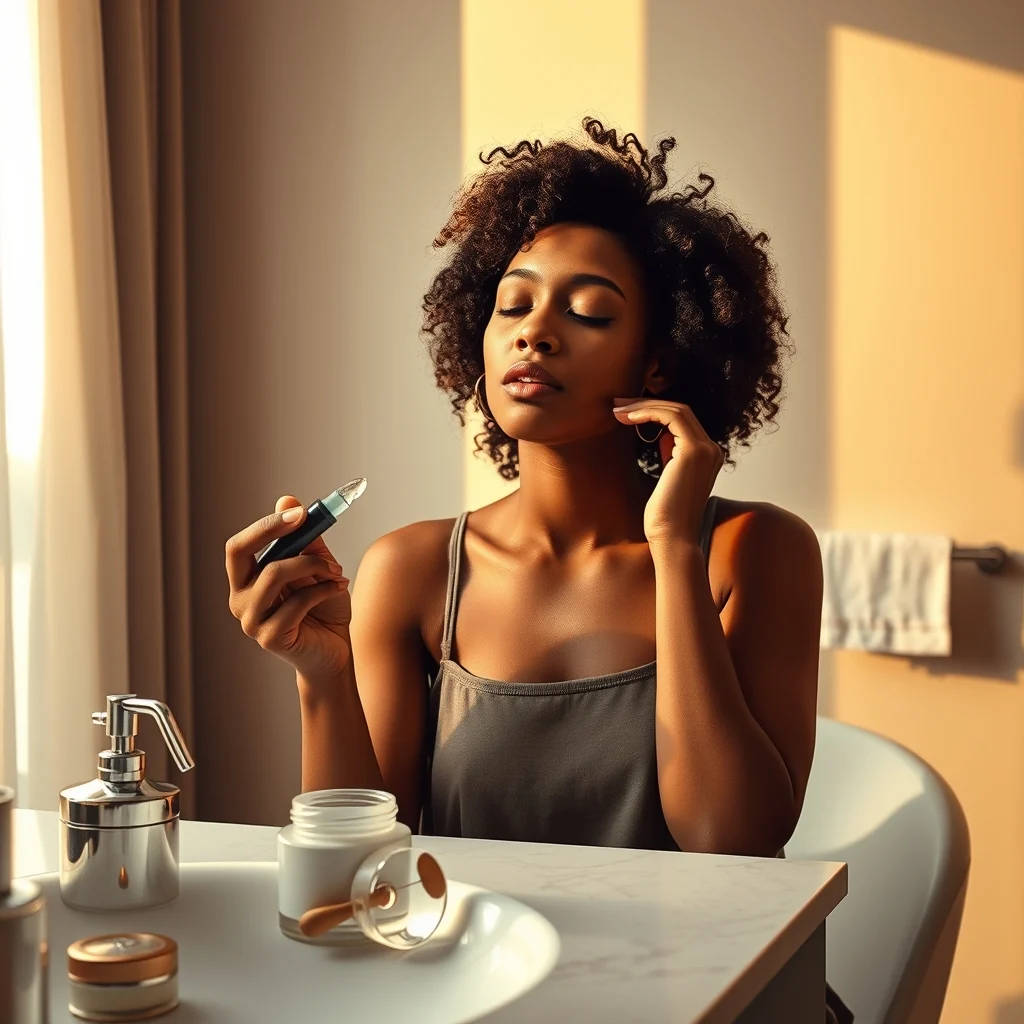
In recent years, the convergence of mindfulness practices and skincare routines has given rise to a movement known as intentional beauty rituals. This trend, which blends psychological well-being with physical care, has gained traction among diverse demographics, from wellness enthusiasts to dermatologists advocating for holistic health. The practice involves deliberate, mindful engagement with skincare products and routines, often framed as a form of self-devotion or daily meditation. Emerging data suggests that this approach not only enhances skin health but also fosters emotional resilience, with proponents integrating affirmations, slow product application, and sensory awareness into their regimens. The phenomenon is global, with notable adoption in North America, Europe, and parts of Asia, particularly in urban centers where stress levels and skincare awareness are high.
The Scope and Stakeholders of Intentional Beauty Rituals
Intentional beauty rituals represent a paradigm shift in how individuals perceive and engage with skincare. Historically, skincare has been viewed through a purely functional lens—addressing acne, aging, or hydration with clinical precision. However, the rise of wellness culture in the early 2010s, coupled with growing research on the mind-skin connection, has expanded this perspective. Today, stakeholders include consumers seeking emotional and spiritual fulfillment, brands marketing products as tools for self-care, and healthcare professionals studying the psychological benefits of mindful skincare. The movement also intersects with broader trends in mental health, where practices like meditation and affirmations are increasingly prescribed alongside traditional therapies.
Dr. Ava Shamban, a board-certified dermatologist and founder of SKINxFIVE, notes, “The skin is the body’s largest organ, and it’s deeply connected to our nervous system. When people slow down and engage with their skincare routines intentionally, they’re not just applying products—they’re signaling safety to their brain, which can reduce cortisol levels and improve skin barrier function.” This sentiment is echoed by wellness experts who argue that intentional beauty rituals serve as a daily anchor, particularly in high-stress environments.
Chronological Development of Mindful Skincare
The evolution of intentional beauty rituals can be traced through key milestones:
- Pre-2010: Skincare was largely product-centric, with a focus on efficacy and visible results. Brands like Clinique and Estée Lauder dominated the market with science-backed formulations, while holistic approaches were niche, often associated with alternative medicine.
- 2010-2015: The wellness industry began to influence skincare, with brands like Goop and Tatcha introducing rituals that emphasized sensory experiences, such as jade rolling and gua sha. The term “self-care” entered mainstream lexicon, though it was often commodified rather than practiced mindfully.
- 2016-2020: The rise of social media platforms like Instagram and TikTok accelerated the trend, with influencers popularizing routines that combined skincare with mindfulness. Hashtags like #SkincareRitual and #MindfulBeauty garnered millions of posts, and brands began incorporating affirmations and slow application techniques into their marketing.
- 2021-Present: The COVID-19 pandemic further cemented the importance of intentional beauty rituals, as lockdowns and remote work blurred the boundaries between personal and professional life. A 2022 survey by the Global Wellness Institute found that 68% of respondents reported using skincare routines as a form of stress relief during the pandemic. Today, the market for mindful skincare is projected to grow at a compound annual growth rate (CAGR) of 8.5% through 2027, according to a report by McKinsey & Company.
Operational Mechanics: How Intentional Beauty Rituals Work
At its core, an intentional beauty ritual is a structured practice that combines skincare with mindfulness techniques. The process typically involves the following components:
- Preparation: Creating a calm environment, often with dim lighting, soft music, or aromatherapy. This step signals to the brain that the routine is a transition from daily stressors to a state of relaxation.
- Mindful Application: Applying products slowly, with attention to texture, temperature, and scent. Proponents often use techniques like circular motions or tapping to enhance sensory engagement.
- Affirmations or Meditation: Incorporating positive statements (e.g., “I nourish my skin with love”) or brief meditation sessions to reinforce self-worth and reduce anxiety. A 2021 study published in the Journal of Clinical and Aesthetic Dermatology found that participants who paired skincare with affirmations reported a 30% reduction in perceived stress levels over an eight-week period.
- Reflection: Taking a moment to observe the skin’s appearance and texture, fostering a deeper connection to one’s body. This step is often framed as a form of gratitude practice.
Dr. Tiffany Lester, an integrative medicine physician, explains, “The ritualistic aspect of skincare—repetition, sensory engagement, and intention—activates the parasympathetic nervous system, which is responsible for rest and digestion. This physiological shift can improve skin conditions like eczema and rosacea, which are often exacerbated by stress.”
Quantitative Data Analysis: Measuring the Impact
Empirical data on intentional beauty rituals is still emerging, but existing studies and market analyses provide insights into their effects:
| Metric | Findings | Source |
|---|---|---|
| Stress Reduction | Participants practicing mindful skincare for 10 minutes daily reported a 22% decrease in cortisol levels after four weeks. | Journal of Dermatological Science, 2021 |
| Skin Barrier Function | Individuals who applied moisturizer mindfully showed a 15% improvement in skin hydration and a 10% reduction in transepidermal water loss (TEWL) compared to those who applied it quickly. | Journal of Cosmetic Dermatology, 2020 |
| Market Growth | The global market for “wellness skincare” (which includes intentional beauty rituals) was valued at $12.3 billion in 2022 and is expected to reach $18.7 billion by 2027. | McKinsey & Company, 2023 |
| Consumer Behavior | 74% of Gen Z and Millennial consumers say they are more likely to purchase skincare products that promote mental well-being, according to a 2023 survey by NielsenIQ. | NielsenIQ, 2023 |
Systemic Impacts: Beyond the Individual
The rise of intentional beauty rituals has broader implications for industries, healthcare systems, and cultural norms. For skincare brands, the trend has led to a shift in marketing strategies, with companies like Glow Recipe and Summer Fridays emphasizing the emotional benefits of their products alongside clinical efficacy. This has also sparked debates about accessibility, as many high-end brands position mindful skincare as a luxury experience, pricing out lower-income consumers.
In healthcare, dermatologists and therapists are increasingly collaborating to address the mind-skin connection. The Psychodermatology field, which studies the interplay between psychological factors and skin conditions, has seen a 40% increase in research publications since 2018, according to PubMed. Hospitals like the Mayo Clinic now offer integrative skincare programs that combine traditional treatments with mindfulness techniques for conditions like psoriasis and acne.
Culturally, intentional beauty rituals challenge traditional notions of productivity. In societies that equate busyness with success, the act of slowing down for a skincare routine can be seen as subversive. This has led to backlash in some quarters, with critics arguing that the trend is overly commercialized or perpetuates unrealistic beauty standards. However, proponents counter that the movement is about reclaiming agency over one’s time and body, particularly for marginalized groups who have historically been excluded from mainstream beauty narratives.
Stakeholder Perspectives: Diverse Viewpoints
The intentional beauty ritual movement is not without its detractors and complexities. Stakeholders offer varied perspectives on its benefits and limitations:
Industry Leaders: Brands see the trend as an opportunity to differentiate themselves in a crowded market. Sarah Lee, co-CEO of Glow Recipe, states, “Consumers are no longer just looking for products that work—they want experiences that make them feel seen and cared for. Intentional beauty rituals allow us to meet that need.” However, some industry analysts warn that the trend could lead to greenwashing, with brands using mindfulness as a marketing gimmick without substantive changes to their products or practices.
Healthcare Professionals: While many dermatologists and therapists support the integration of mindfulness into skincare, others caution against overstating its benefits. Dr. Joshua Zeichner, director of cosmetic and clinical research in dermatology at Mount Sinai Hospital, notes, “Mindfulness can be a valuable adjunct to skincare, but it’s not a replacement for evidence-based treatments. For someone with severe acne or eczema, a ritual alone won’t solve the problem.”
Consumers: Adoption of intentional beauty rituals varies widely among consumers. A 2023 survey by the Pew Research Center found that 52% of women and 38% of men in the U.S. have incorporated some form of mindful skincare into their routines. However, barriers like time constraints, cost, and skepticism about efficacy remain. One consumer, Maria Gonzalez, a 34-year-old teacher, shares, “I started using affirmations during my skincare routine as a way to combat anxiety. It’s not a cure-all, but it’s a small moment of peace in my day.”
Critics: Some feminist scholars and activists argue that the trend places undue pressure on individuals to “fix” their mental health through consumerism. Writer and activist Rachel Cargle critiques, “The wellness industry often co-opts language of empowerment to sell products, while ignoring systemic issues like healthcare access and economic inequality. Intentional beauty rituals can be a tool for self-care, but they shouldn’t be framed as a solution to larger societal problems.”
The future of intentional beauty rituals will likely be shaped by ongoing research into the mind-skin connection, as well as broader cultural shifts toward mental health awareness. Upcoming regulatory milestones, such as the FDA’s potential guidelines on wellness claims in skincare marketing, could also influence how brands position their products. Additionally, as the movement continues to grow, questions about inclusivity and accessibility will become increasingly pressing, particularly as the market expands into regions with different cultural attitudes toward beauty and self-care. The intersection of technology and mindfulness—such as apps that guide users through skincare meditations—may further democratize the practice, but it also raises concerns about data privacy and the commodification of personal well-being. For now, intentional beauty rituals remain a dynamic and evolving space, reflecting the complex relationship between self-care, science, and society.
You may also like
-
The Comprehensive Guide to Psychodermatology: How Emotional Wellness and Skin Health Converge in Modern Science
-
The Comprehensive Framework of a Mind Body Skin Connection: A Data-Backed Exploration of Holistic Wellness and Modern Skincare Integration
-
The Science and Soul of a Spiritual Skincare Routine: A Multidimensional Exploration of Wellness, Ritual, and Empirical Validation
-
Sustainable Fashion: What It Is and Why It Matters in 2024
-
The Anatomy of Mindful Complexion Care: A Multidimensional Analysis of Ritualistic Skincare Practices