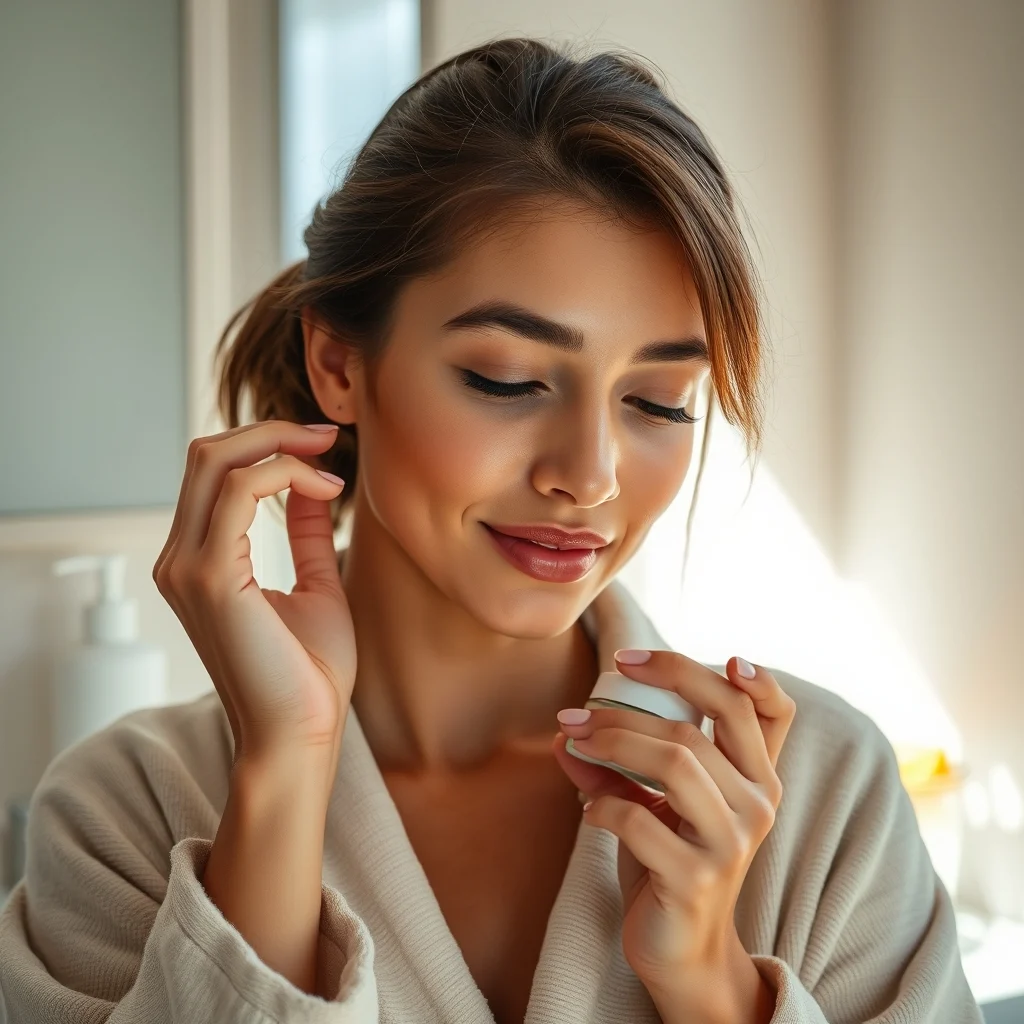
Struggling with dull, uneven, or problematic skin can feel overwhelming, especially when you’re not sure where to start. The good news? Achieving healthier skin doesn’t always require expensive treatments or complicated routines. Small, consistent lifestyle habits for better skin can make a noticeable difference—even for complete beginners. The key is to focus on simple, sustainable changes that support your skin’s natural functions without overcomplicating the process.
Start with a Gentle, Consistent Cleansing Routine
Cleansing is the foundation of any skincare routine, but many people either overdo it or skip it entirely. Harsh cleansers can strip your skin of its natural oils, leading to irritation or excess oil production as your skin tries to compensate. Instead, opt for a mild, sulfate-free cleanser that removes dirt and impurities without disrupting your skin’s barrier.
Wash your face twice a day—once in the morning and once at night—to prevent clogged pores and breakouts. If you wear makeup or sunscreen, double cleansing (using an oil-based cleanser followed by a water-based one) can ensure all residues are thoroughly removed. Consistency is more important than perfection, so find a routine that feels effortless and stick with it.
Hydrate from the Inside Out
Drinking enough water is one of the simplest yet most effective lifestyle habits for better skin. Dehydration can make your skin look dull, accentuate fine lines, and even trigger excess oil production. While the exact amount of water needed varies from person to person, aim for at least 8 glasses a day as a general guideline.
In addition to water, incorporate hydrating foods into your diet, such as cucumbers, watermelon, and leafy greens. These foods are rich in vitamins and antioxidants that support skin health. If you struggle to drink enough water, try infusing it with fruits like lemon or berries for a refreshing twist.
Prioritize Sun Protection Every Day
Sun damage is one of the leading causes of premature aging, dark spots, and uneven skin tone. Even on cloudy days, UV rays can penetrate your skin and cause long-term harm. Applying a broad-spectrum sunscreen with at least SPF 30 should be a non-negotiable part of your daily routine.
If you’re new to sunscreen, start with a lightweight, non-greasy formula that won’t clog your pores. Apply it as the last step of your morning skincare routine, and reapply every two hours if you’re spending time outdoors. For added protection, wear a wide-brimmed hat or seek shade during peak sun hours.
Get Enough Sleep for Skin Repair
Your skin repairs itself while you sleep, making quality rest essential for a healthy complexion. Lack of sleep can lead to dark circles, puffiness, and a dull appearance. Aim for 7-9 hours of uninterrupted sleep each night to give your skin the time it needs to regenerate.
To improve your sleep quality, establish a relaxing bedtime routine. This could include reading a book, practicing deep breathing exercises, or avoiding screens an hour before bed. Additionally, sleeping on a silk or satin pillowcase can reduce friction and prevent sleep lines, which can contribute to wrinkles over time.
Eat a Skin-Friendly Diet
What you eat directly impacts your skin’s health. Processed foods, sugar, and excessive dairy can trigger inflammation and breakouts, while a balanced diet rich in whole foods can promote a clear, glowing complexion. Focus on incorporating foods high in omega-3 fatty acids, like salmon and flaxseeds, which help maintain your skin’s moisture barrier.
Antioxidant-rich foods, such as berries, nuts, and green tea, can protect your skin from free radical damage and slow down the aging process. If you’re unsure where to start, try adding one new skin-friendly food to your diet each week and observe how your skin responds.
Manage Stress to Prevent Breakouts
Stress doesn’t just affect your mood—it can also wreak havoc on your skin. When you’re stressed, your body produces cortisol, a hormone that can increase oil production and lead to breakouts. Finding healthy ways to manage stress is crucial for maintaining clear, healthy skin.
Incorporate stress-reducing activities into your daily routine, such as yoga, meditation, or even a short walk outside. Journaling can also help you process emotions and reduce stress levels. Remember, it’s okay to take breaks and prioritize self-care—your skin will thank you for it.
Building lifestyle habits for better skin doesn’t have to be complicated or time-consuming. Start with one or two small changes, like drinking more water or applying sunscreen daily, and gradually incorporate more as they become second nature. Over time, these habits will add up, leaving you with healthier, more radiant skin. For more tips on maintaining a healthy skincare routine, visit the American Academy of Dermatology.
You may also like
-
Lifestyle Habits for Better Skin: Quick Tips for Busy People Who Want Glowing Results
-
Lifestyle Habits for Better Skin: Quick Tips for Busy People Who Want Glowing Results
-
Lifestyle Habits for Better Skin: A Barrier-First Approach for Sensitive Skin
-
Lifestyle Habits for Better Skin: Quick Wins for Busy Schedules
-
Lifestyle Habits for Better Skin: A Barrier-First Approach for Oily Skin Types