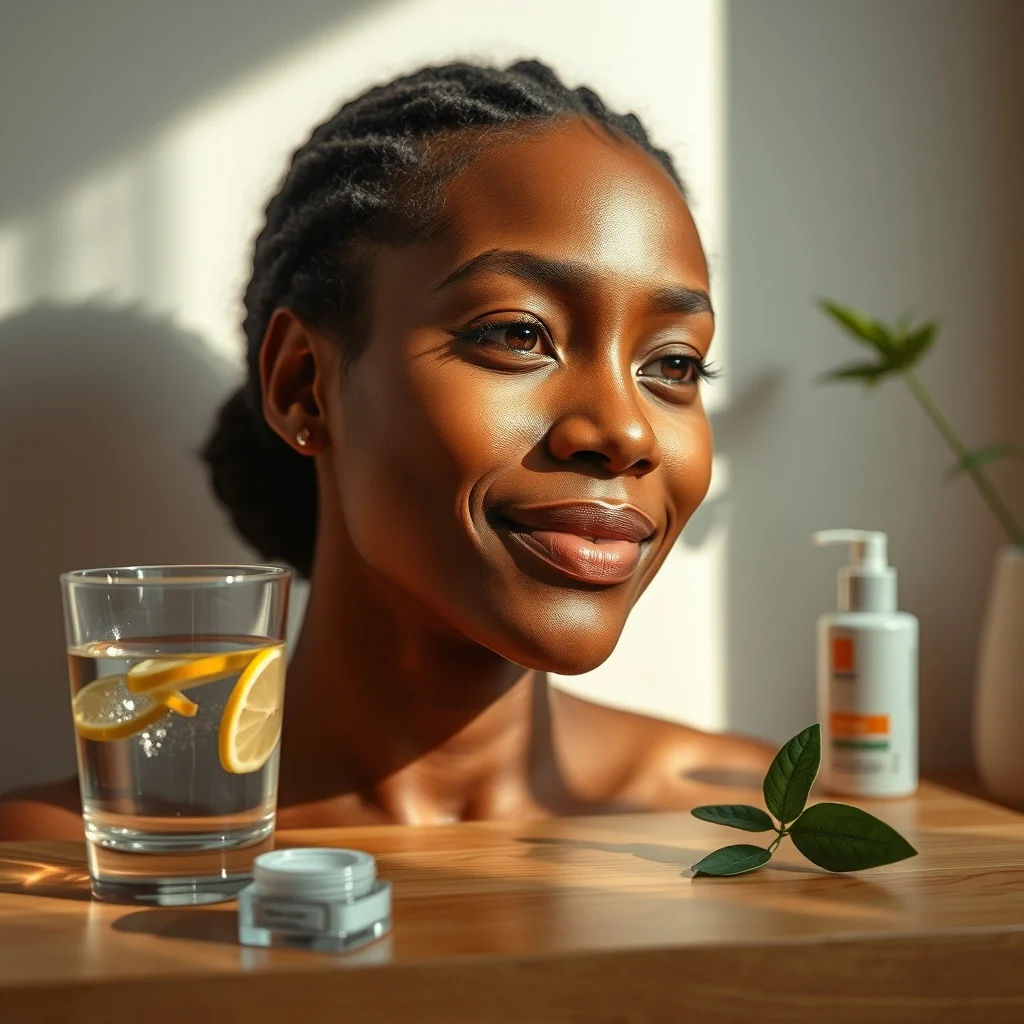
Imagine waking up every morning to a complexion that feels tight, irritated, or just *off*—despite your best efforts with serums and moisturizers. The truth is, even the most expensive skincare routines can fall short if the foundation of your lifestyle habits for better skin isn’t aligned with what your skin *actually* needs. Many people focus solely on what they apply *to* their skin, but the habits they adopt *around* it—like diet, sleep, and stress management—often hold the key to real, lasting improvement.
Why Your Skincare Routine Might Be Missing the Mark
Skincare products are a great starting point, but they’re just one piece of the puzzle. Your skin reflects your entire lifestyle—from the food you eat to how you sleep, hydrate, and even manage stress. If your skin feels dull, sensitive, or prone to breakouts, it’s likely a sign that your daily habits need a closer look. The good news? Small, intentional changes can make a big difference over time.
Many people assume that better skin requires expensive treatments or a complicated routine. In reality, the most transformative shifts often come from simple, consistent adjustments. For example, something as basic as improving your sleep quality or reducing exposure to environmental pollutants can outperform even the most advanced topical treatments. Before you reach for another product, ask yourself: *Are my lifestyle habits truly supporting my skin’s health?*
The Hidden Factors That Affect Your Skin More Than You Think
Your skin is a dynamic organ that responds to everything you do—or don’t do—throughout the day. While hydration and sun protection are non-negotiable, other factors like nutrition, hydration, and even your emotional state play a crucial role in how your skin looks and feels. For instance, dehydration isn’t just about drinking water; it’s also about the quality of what you consume and how well your body retains moisture.
Another often-overlooked factor is sleep. Poor sleep doesn’t just leave you feeling tired; it can also disrupt your skin’s natural repair processes. During deep sleep, your skin regenerates and repairs itself, so skipping quality rest can lead to dullness, fine lines, and increased sensitivity. Prioritizing sleep isn’t just about looking refreshed—it’s about giving your skin the time it needs to heal and renew.
Even small stressors, like chronic anxiety or a poor diet, can manifest as breakouts, redness, or uneven texture. Your skin doesn’t exist in a vacuum; it’s deeply connected to your overall well-being. The next time you’re tempted to blame your skincare products for underperforming, consider whether your lifestyle habits might be the real culprits.
Common Mistakes That Sabotage Your Skin’s Potential
One of the most frequent mistakes people make is assuming that more is better when it comes to skincare. Layering too many products can disrupt your skin’s natural balance, leading to irritation, clogged pores, or even accelerated aging. Instead of piling on serums and essences, focus on a few high-quality, skin-friendly ingredients that work together harmoniously. Less can often be more when it comes to achieving a healthy glow.
Another mistake is neglecting sun protection, even on cloudy days. UV rays penetrate clouds and windows, damaging your skin’s collagen and accelerating signs of aging. Skipping sunscreen isn’t just a risk for sunburns; it’s a direct path to long-term skin damage. Even if you’re not spending time outdoors, incorporating a broad-spectrum SPF into your daily routine is one of the simplest ways to protect your skin’s integrity.
Many people also overlook the importance of gentle cleansing. Harsh soaps, hot water, and aggressive scrubbing can strip your skin of its natural oils, leading to dryness, irritation, or even breakouts. Opt for a mild, pH-balanced cleanser that removes dirt and excess oil without disrupting your skin’s protective barrier. Your skin’s health starts with how you treat it during your daily wash.
Simple Swaps for Instantly Better Skin
You don’t need a complete overhaul to see improvements in your skin. Sometimes, small, intentional swaps can make a world of difference. For example, swapping sugary snacks for nutrient-dense foods like berries, nuts, and leafy greens can reduce inflammation and improve skin elasticity. Hydration isn’t just about water—adding electrolytes or herbal teas can enhance your skin’s moisture retention.
Another easy swap is replacing your plastic water bottle with a glass or stainless steel one. Plastic can leach harmful chemicals over time, which may contribute to skin irritation or hormonal imbalances. Investing in a reusable bottle not only benefits the environment but also ensures you’re avoiding potential skin irritants.
Even your pillowcases can impact your skin. Silicone or satin pillowcases reduce friction and prevent oil buildup, which can help minimize breakouts and wrinkles. If you’re prone to acne or fine lines, upgrading your pillowcase might be one of the simplest ways to support your skin’s health overnight.
How to Build a Skin-Friendly Lifestyle (Without the Hype)
Building a skin-friendly lifestyle doesn’t require extreme measures or expensive gadgets. Start by identifying one or two habits to improve at a time. For example, if your skin is dry, focus on increasing hydration and using a humectant-based moisturizer. If you struggle with breakouts, pay closer attention to your diet and stress levels.
Consistency is key. Skincare is a marathon, not a sprint, so give your skin time to adapt to new habits. Track your progress by taking weekly photos or noting changes in texture and tone. Over time, you’ll begin to see a clearer, more resilient complexion—without relying on trendy products or fads.
Remember, your skin is a reflection of your overall health. By making mindful choices in your daily routine, you’re not just improving your complexion—you’re investing in your well-being. Start small, stay patient, and let your skin thrive from the inside out.
For more information on skin health, visit the American Academy of Dermatology.
You may also like
-
Lifestyle Habits for Better Skin: A Beginner’s Step-by-Step Guide to Glowing Skin
-
Lifestyle Habits for Better Skin: Quick Tips for Busy People Who Want Glowing Skin
-
Lifestyle Habits for Better Skin: A Barrier-First, Skinimalism Approach
-
Lifestyle Habits for Better Skin: Quick Tips for Busy People
-
Lifestyle Habits for Better Skin: Quick Tips for Busy People Who Want Glowing Skin