Introduction: A Subtle Powerhouse of Everyday Life
At first glance, the phrase beauty supply appears unassuming. It suggests shelves of products, rows of bottles, palettes of color. Yet beneath this seemingly ordinary concept lies a sophisticated, ever-evolving domain that touches nearly every aspect of human expression. It is commerce, yes—but also ritual, identity, and transformation.
The modern beauty supply landscape is expansive. It spans brick-and-mortar stores, digital marketplaces, artisanal brands, and global conglomerates. It adapts rapidly to trends while simultaneously shaping them. And most importantly, it serves as a mirror—reflecting both societal values and individual aspirations.
Short moments define it. Long histories sustain it.
Historical Evolution: From Ritual to Retail
The roots of beauty supply trace back thousands of years. In ancient civilizations, beauty practices were not trivial pursuits; they were deeply symbolic.
Egyptians adorned their eyes with kohl, believing it provided protection against both the sun and malevolent forces. Greeks infused oils with botanical extracts to enhance both fragrance and skin vitality. In South Asia, turmeric and sandalwood were used not only for aesthetic refinement but also for ceremonial purposes.
These early practices laid the foundation for what would eventually become the global beauty supply industry. Over time, as trade routes expanded and industrialization emerged, these localized traditions evolved into scalable products. Beauty became commodified—but it never lost its cultural essence.
The Structure of a Modern Beauty Supply Ecosystem
A contemporary beauty supply environment is a meticulously curated system. It is not merely about stocking products; it is about anticipating needs, preferences, and identities.
Product Diversity
The breadth of offerings within a beauty supply store is remarkable:
- Haircare: cleansers, conditioners, protein treatments, leave-ins
- Skincare: serums, exfoliants, emulsions, masks
- Cosmetics: foundations, highlighters, lip pigments, eyeliners
- Tools: brushes, applicators, dermal rollers, thermal stylers
- Accessories: wigs, extensions, cosmetic organizers
Each category represents a different facet of self-expression.
Experience Design
The most compelling beauty supply spaces are experiential. Lighting, layout, and product placement are carefully orchestrated to guide the consumer journey. There is intention behind every display.
Some environments feel clinical and precise. Others evoke warmth and familiarity. Both serve a purpose.
Cultural Identity and Representation
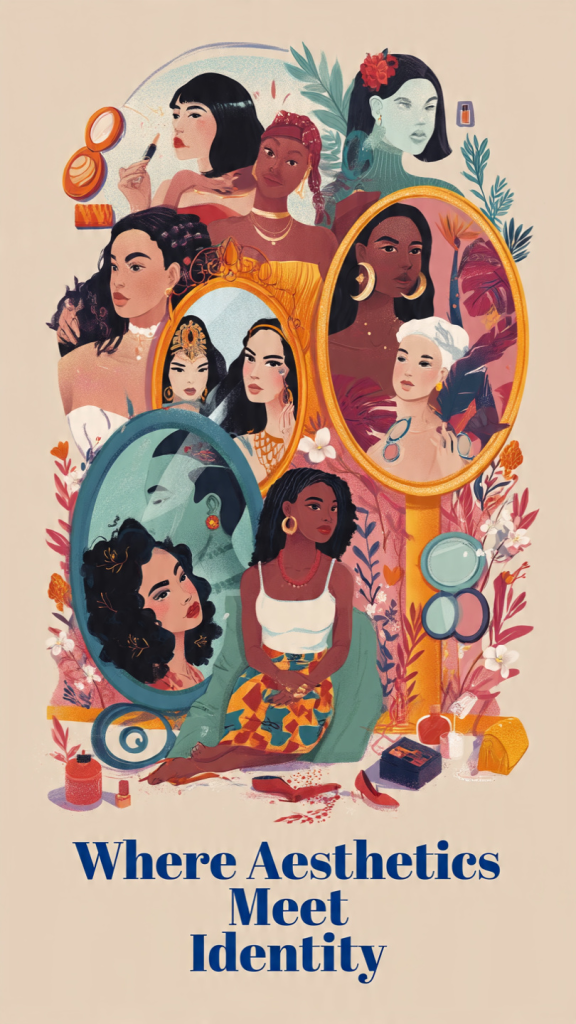
Few industries engage with cultural identity as directly as beauty supply. Hair textures, skin tones, and aesthetic traditions vary dramatically across populations. The ability to cater to this diversity is not optional—it is essential.
Historically, mainstream beauty markets often excluded or marginalized certain groups. In response, specialized beauty supply stores emerged, offering products tailored to specific needs. These spaces became more than retail outlets. They became cultural hubs.
They affirmed identity. They celebrated difference.
Within these environments, consumers are not asked to conform. They are encouraged to embrace.
The Psychology Behind Beauty Consumption
Why do people invest in beauty supply products? The answer lies in a complex interplay of psychology, emotion, and perception.
A moisturizer is not just hydration. It is care. A fragrance is not merely scent. It is memory.
Short decisions. Lasting impressions.
Consumers often approach beauty supply purchases with a blend of logic and emotion:
- Aspirational thinking: envisioning an enhanced version of oneself
- Sensory attraction: drawn to textures, colors, and scents
- Social validation: influenced by trends and recommendations
These elements combine to create a purchasing experience that is deeply personal.
The Digital Transformation
The rise of e-commerce has fundamentally reshaped the beauty supply industry. Online platforms offer unprecedented access to products from around the world. Reviews, tutorials, and influencer content guide consumer decisions.
Technology has introduced new dimensions:
- Virtual try-ons using augmented reality
- AI-driven skincare analysis
- Personalized product recommendations
Yet, despite these innovations, physical beauty supply stores retain their relevance. The tactile experience—the ability to test and feel—remains irreplaceable.
The future is hybrid. Digital convenience meets physical immersion.
Ingredient Awareness and Scientific Literacy
Modern consumers are more informed than ever. The beauty supply industry has responded with increased transparency and innovation.
Ingredients once obscure are now widely recognized:
- Hyaluronic acid for hydration
- Retinol for renewal
- Niacinamide for balance
Consumers scrutinize labels. They question formulations. They demand efficacy.
This shift has led to the rise of “clean beauty”—products formulated without certain controversial ingredients. Whether driven by science or perception, this movement has significantly influenced the beauty supply market.
Entrepreneurship and Innovation
The beauty supply sector is a fertile ground for innovation. Independent brands continue to disrupt traditional models by addressing niche markets and introducing novel formulations.
These entrepreneurs often bring authenticity and specificity. They are not constrained by legacy systems. They experiment. They adapt quickly.
Small brands, once overshadowed, now thrive within the beauty supply ecosystem. Their success underscores a broader trend: consumers value originality and transparency.
Challenges in the Industry
Despite its vibrancy, the beauty supply industry faces several challenges:
- Counterfeit products compromising safety and trust
- Supply chain disruptions affecting availability
- Pricing disparities across regions
- Ethical concerns regarding sourcing and representation
These issues require careful navigation. Trust, once lost, is difficult to regain.
Sustainability and ethics are no longer peripheral concerns. They are central to the future of beauty supply.
The Language of Beauty
The vocabulary of beauty supply is uniquely evocative. Products promise to “illuminate,” “revitalize,” and “transform.” These words are carefully chosen to evoke emotion.
Short phrases entice. Longer descriptions persuade.
This linguistic strategy elevates products beyond functionality. It creates a narrative—one that consumers can see themselves within.
Education and Empowerment
Knowledge enhances experience. Within the beauty supply ecosystem, education plays a crucial role.
Consumers benefit from:
- Product knowledge
- Application techniques
- Understanding of skin and hair types
Retailers that prioritize education foster deeper connections with their customers. They move beyond transactions and into relationships.
An informed consumer is a confident one.
Global Influences and Cross-Cultural Exchange
Globalization has enriched the beauty supply industry with diverse influences. Products and techniques now travel seamlessly across borders.
Korean skincare emphasizes layering and hydration. Mediterranean traditions highlight natural oils. Japanese beauty often prioritizes minimalism and precision.
These influences converge within modern beauty supply environments, creating a dynamic and diverse marketplace.
However, cultural exchange must be approached with respect. Authenticity matters.
Sustainability and Responsibility
Environmental awareness is reshaping the beauty supply industry. Consumers increasingly demand sustainable practices.
Key initiatives include:
- Eco-friendly packaging
- Refillable systems
- Ethical sourcing
- Reduced waste production
Sustainability is not merely a trend. It is a necessity.
Brands that fail to adapt risk obsolescence.
Personalization: The Future of Beauty
Personalization is redefining the beauty supply experience. Advances in technology allow for products tailored to individual needs.
Customized skincare formulations. Adaptive cosmetics. Data-driven recommendations.
These innovations reflect a broader shift toward individuality. No two consumers are identical. Their products should not be either.
The era of one-size-fits-all is fading.
Emotional Impact and Self-Perception
The influence of beauty supply extends beyond the physical. It shapes how individuals perceive themselves.
A new product can instill confidence. A refined routine can create structure.
Small changes. Profound effects.
These moments accumulate, influencing self-esteem and social interaction.
Beauty is not superficial. It is deeply personal.
The Future Landscape
The future of beauty supply is both exciting and unpredictable. Emerging trends suggest continued evolution:
- Integration of biotechnology
- Expansion of inclusive product ranges
- Increased use of artificial intelligence
- Greater emphasis on sustainability
The industry will continue to adapt, responding to both technological advancements and cultural shifts.
Yet its core purpose remains constant: enabling expression.
Conclusion: More Than a Marketplace
The world of beauty supply is vast and multifaceted. It is an industry that blends science, culture, and emotion into a cohesive whole.
It is not merely about products. It is about identity.
Short routines. Long journeys.
Within the realm of beauty supply, individuals find tools to express themselves, to transform, and to connect with their own sense of self. It is a domain of possibility—one that continues to evolve, inspire, and redefine what beauty truly means.
You may also like
-
The Comprehensive Guide to Psychodermatology: How Emotional Wellness and Skin Health Converge in Modern Science
-
The Comprehensive Framework of a Mind Body Skin Connection: A Data-Backed Exploration of Holistic Wellness and Modern Skincare Integration
-
The Science and Soul of a Spiritual Skincare Routine: A Multidimensional Exploration of Wellness, Ritual, and Empirical Validation
-
Sustainable Fashion: What It Is and Why It Matters in 2024
-
The Anatomy of Mindful Complexion Care: A Multidimensional Analysis of Ritualistic Skincare Practices