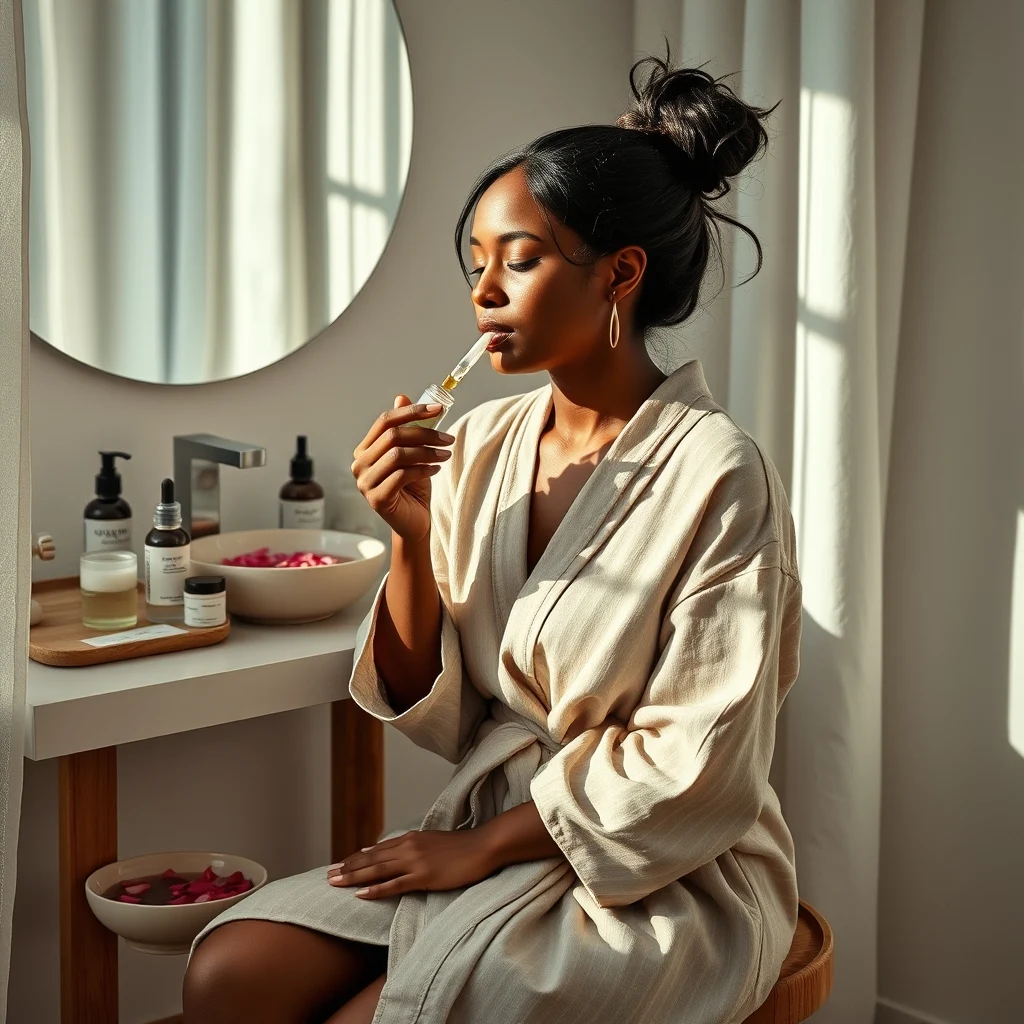
Sacred self-care routines have emerged as a transformative practice, blending ancient traditions with modern wellness philosophies to redefine personal care. These rituals, which encompass intentional beauty rituals, mindful product application, and devotional skincare practices, are adopted by individuals seeking holistic well-being, spiritual connection, and radiant skin. The movement has gained traction globally, with practitioners integrating these routines into daily life, often during morning or evening rituals at home, in wellness retreats, or through digital communities. The rise of sacred self-care reflects a broader cultural shift toward mindfulness, self-love, and the intersection of physical and emotional health.
Defining the Scope and Historical Context
Sacred self-care routines are structured practices that elevate personal care from a mundane task to a meaningful, almost ceremonial experience. Unlike conventional skincare, which prioritizes efficacy and speed, these routines emphasize intention, presence, and devotion. The concept is rooted in historical traditions, including Ayurvedic practices from India, Japanese tsukubai cleansing rituals, and Indigenous healing ceremonies. In the modern era, the movement has been shaped by wellness influencers, dermatologists, and psychologists who advocate for the mental and emotional benefits of mindful self-care.
Primary stakeholders in this space include consumers, skincare brands, wellness coaches, and mental health professionals. Consumers, particularly millennials and Gen Z, drive demand for products and practices that align with their values of sustainability, authenticity, and self-awareness. Brands like Tatcha, Herbivore Botanicals, and Goop have capitalized on this trend by marketing products as tools for intentional beauty rituals. Meanwhile, psychologists and dermatologists study the psychological and physiological impacts of these practices, often collaborating with brands to develop evidence-based approaches.
Chronological Development of Sacred Self-Care
The evolution of sacred self-care can be traced through key milestones:
- Ancient Origins (Pre-20th Century): Ritualistic self-care practices were integral to many cultures. In India, Ayurveda prescribed daily routines (dinacharya) that included oil pulling, herbal baths, and meditation. In Japan, the tea ceremony (chanoyu) incorporated mindful preparation and appreciation of beauty. Indigenous communities in the Americas used plant-based remedies in healing ceremonies, emphasizing the connection between body, spirit, and nature.
- Early 20th Century: The rise of commercial beauty products began to overshadow traditional rituals. However, figures like Helena Rubinstein and Elizabeth Arden introduced the idea of skincare as a form of self-improvement, laying the groundwork for later wellness movements.
- 1960s–1980s: The counterculture movement revived interest in natural living and holistic health. Books like The Feminine Mystique (1963) and Our Bodies, Ourselves (1971) encouraged women to reclaim agency over their bodies and self-care. The New Age movement further popularized the idea of spiritual wellness, though it remained niche.
- 1990s–2000s: The wellness industry began to professionalize, with spas, yoga studios, and organic skincare brands gaining mainstream appeal. The term “self-care” entered popular lexicon, though it was often commodified and stripped of its ritualistic elements.
- 2010s–Present: Social media and the rise of influencer culture accelerated the adoption of sacred self-care routines. Platforms like Instagram and TikTok became hubs for sharing skincare affirmations, mindful product application techniques, and devotional daily glow practices. The COVID-19 pandemic further amplified interest, as individuals sought comfort and control through structured routines. According to a 2022 report by McKinsey & Company, the global wellness market reached $1.5 trillion, with skincare and self-care accounting for a significant portion of growth.
Operational Mechanics of Sacred Self-Care Routines
Sacred self-care routines are characterized by their intentionality, structure, and multisensory engagement. A typical routine may include the following elements:
- Preparation: Creating a dedicated space and time for the ritual, often accompanied by calming music, aromatherapy, or dim lighting. This step signals the transition from daily life to a mindful state.
- Cleansing: Using gentle, often natural products to cleanse the skin while focusing on the sensory experience—texture, scent, and temperature. This step is framed as a metaphorical purification, both physical and emotional.
- Affirmations or Meditation: Incorporating positive affirmations, breathwork, or short meditations to cultivate self-love and gratitude. For example, practitioners might repeat phrases like “I nourish my skin with love” or “My body deserves care.”
- Product Application: Applying skincare products with deliberate, slow movements, often in a specific order. Techniques like facial gua sha or jade rolling are used to enhance circulation and absorption while fostering a healing touch connection.
- Reflection: Concluding the routine with a moment of reflection, journaling, or setting intentions for the day or night. This step reinforces the ritual’s purpose beyond physical care.
Dr. Amy Wechsler, a dermatologist and psychiatrist, explains the psychological underpinnings of these practices: “When individuals engage in sacred self-care, they activate the parasympathetic nervous system, which reduces stress and promotes relaxation. The repetitive, mindful motions of applying products can induce a meditative state, lowering cortisol levels and improving skin barrier function.” A 2021 study published in JAMA Dermatology found that participants who practiced mindful skincare routines reported a 30% reduction in perceived stress and a 20% improvement in skin hydration over an eight-week period.
Quantitative Data Analysis
The growth of sacred self-care routines is supported by a wealth of data. Below are key statistics and trends shaping the movement:
| Metric | Data Point | Source |
|---|---|---|
| Global Wellness Market Value (2022) | $1.5 trillion | McKinsey & Company |
| Skincare Market Growth (2020–2027) | CAGR of 5.3% | Grand View Research |
| Consumer Preference for “Clean” Skincare (2023) | 68% of consumers prioritize natural or organic ingredients | NielsenIQ |
| Impact of Mindfulness on Skin Health (2021) | 30% reduction in perceived stress; 20% improvement in hydration | JAMA Dermatology |
| Social Media Influence (2023) | #SelfCareRoutine has 12.5 billion views on TikTok | TikTok Internal Data |
Despite the positive trends, challenges persist. A 2023 survey by the Environmental Working Group (EWG) revealed that 40% of consumers struggle to distinguish between genuinely sustainable brands and those engaging in “greenwashing.” Additionally, the cost of high-quality, ritualistic skincare products can be prohibitive, limiting accessibility for lower-income demographics.
Systemic Impacts and Stakeholder Perspectives
The rise of sacred self-care routines has had far-reaching effects on industries, communities, and individual behaviors. Below are key systemic impacts and competing stakeholder perspectives:
Economic Impact
The wellness industry’s growth has created new economic opportunities, particularly for small businesses and independent creators. Etsy, for example, reported a 45% increase in sales of handmade skincare products between 2020 and 2022. However, the commercialization of sacred self-care has also led to criticism. Dr. Jessica DeFino, a beauty journalist and industry critic, argues that “the ritualization of skincare has become another way to sell products, often at inflated prices. The focus on intention is co-opted to justify unnecessary consumption.”
Cultural and Social Impact
Sacred self-care routines have challenged traditional beauty standards by emphasizing self-acceptance and inner radiance over external perfection. Movements like #AcnePositivity and #SkinNeutrality have gained traction, encouraging individuals to embrace their natural complexions. However, the movement has also faced backlash for promoting an idealized, often unattainable version of self-care. Critics argue that the emphasis on elaborate routines can exacerbate feelings of inadequacy, particularly among those with limited time or resources.
Mental health professionals offer a nuanced perspective. Dr. Thema Bryant-Davis, a psychologist and president of the American Psychological Association, notes, “Sacred self-care can be a powerful tool for healing, but it’s not a panacea. For individuals with trauma or mental health conditions, these practices should complement, not replace, professional care.” She emphasizes the importance of accessibility, stating that “self-care should not be a privilege reserved for those who can afford luxury products.”
Environmental Impact
The demand for natural and sustainable skincare has pushed brands to adopt eco-friendly practices, such as biodegradable packaging and ethically sourced ingredients. However, the industry’s environmental footprint remains significant. A 2023 report by the Plastic Soup Foundation found that the beauty industry produces 120 billion units of packaging annually, much of which ends up in landfills. Brands like Lush and Ethique have pioneered zero-waste initiatives, but widespread adoption remains slow due to cost and logistical challenges.
Consumers are increasingly holding brands accountable. A 2022 survey by NielsenIQ found that 73% of respondents would switch to a brand that prioritizes sustainability, even if it meant paying a premium. This shift has prompted industry leaders to rethink their supply chains and marketing strategies.
The future of sacred self-care routines will likely be shaped by regulatory changes, technological advancements, and evolving consumer expectations. In 2024, the European Union is set to implement stricter regulations on beauty product claims, requiring brands to provide scientific evidence for terms like “clean,” “natural,” and “sustainable.” This could reshape the market by weeding out misleading marketing and elevating brands that genuinely prioritize transparency and efficacy. Meanwhile, advancements in biotechnology, such as lab-grown ingredients and personalized skincare, may further blur the lines between science and ritual. As the movement continues to evolve, its ability to balance commercial appeal with authenticity will determine its long-term impact on individuals and society.
You may also like
-
The Comprehensive Guide to Psychodermatology: How Emotional Wellness and Skin Health Converge in Modern Science
-
The Comprehensive Framework of a Mind Body Skin Connection: A Data-Backed Exploration of Holistic Wellness and Modern Skincare Integration
-
The Science and Soul of a Spiritual Skincare Routine: A Multidimensional Exploration of Wellness, Ritual, and Empirical Validation
-
Sustainable Fashion: What It Is and Why It Matters in 2024
-
The Anatomy of Mindful Complexion Care: A Multidimensional Analysis of Ritualistic Skincare Practices