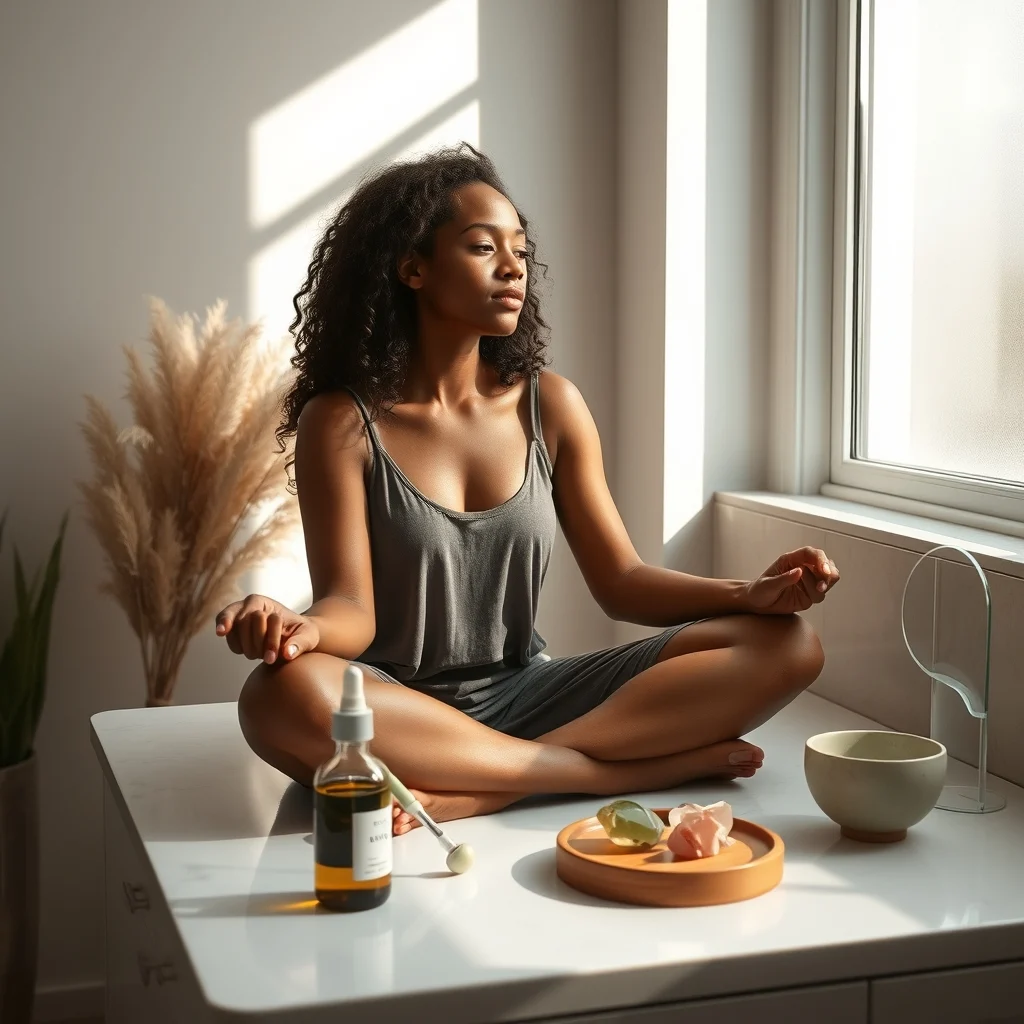
The pursuit of healthy, radiant skin has evolved beyond topical treatments and cosmetic procedures. Today, the mind body skin connection is at the forefront of a transformative shift in skincare, blending ancient wellness practices with contemporary scientific research. This approach recognizes that skin health is deeply intertwined with mental well-being, lifestyle choices, and holistic self-care. As consumers increasingly seek stress-free skin wellness solutions, the beauty industry is responding with innovative products and rituals designed to nurture both the complexion and the psyche.
This movement gained momentum in the early 2020s, driven by a confluence of factors: the global wellness market’s rapid expansion, growing awareness of the gut-skin axis, and the psychological toll of modern life. According to a 2023 report by McKinsey & Company, the global wellness economy is valued at over $1.5 trillion, with skincare and beauty accounting for a significant portion. The holistic glow routine is no longer a niche trend but a mainstream expectation, with 68% of consumers prioritizing products that address both physical and emotional well-being, per a survey by the Global Wellness Institute.
The primary stakeholders in this paradigm include dermatologists, wellness coaches, beauty brands, and consumers themselves. Dermatologists emphasize the biological links between stress and skin conditions like acne, eczema, and psoriasis, while wellness experts advocate for intentional beauty habits that integrate mindfulness, nutrition, and movement. Beauty brands, from luxury labels to indie startups, are reformulating products to include adaptogens, probiotics, and neurocosmetics—ingredients designed to soothe the nervous system and enhance skin resilience.
The Historical Evolution of Holistic Skincare
The concept of treating the skin as a reflection of internal health is not new. Traditional Chinese Medicine (TCM) and Ayurveda have long espoused the idea that skin conditions stem from imbalances in the body’s energy systems. In TCM, for example, acne is often linked to excess heat in the lungs or stomach, while Ayurveda attributes dull skin to an accumulation of toxins, or ama.
The modern mindful skincare lifestyle began to take shape in the late 20th century, influenced by the following milestones:
- 1970s-1980s: The rise of the natural beauty movement, led by brands like The Body Shop and Burt’s Bees, which emphasized plant-based ingredients and ethical sourcing.
- 1990s: The introduction of psychodermatology, a field studying the interplay between psychological factors and skin health. Research published in the Journal of the American Academy of Dermatology in 1998 highlighted the role of stress in exacerbating conditions like psoriasis and atopic dermatitis.
- 2000s: The gut-skin axis gained traction, with studies linking probiotics to improved skin barrier function. A 2008 study in Gut Pathogens demonstrated that oral probiotics could reduce inflammation and improve acne.
- 2010s: The wellness industry exploded, with skincare brands incorporating mindfulness practices into their marketing. Brands like Tatcha and Glow Recipe began promoting skin sanctuary rituals that combined self-care with product application.
- 2020s: The COVID-19 pandemic accelerated the demand for stress-free skin wellness, as lockdowns and remote work blurred the boundaries between personal and professional life. A 2021 survey by the American Psychological Association found that 76% of adults reported stress-related skin issues, such as breakouts and irritation.
Operational Mechanics: How the Mind Body Skin Connection Works
The mind body skin connection operates through a series of biological and psychological pathways. At its core, the skin and brain share a common embryonic origin, the ectoderm, which explains their close relationship. Stress triggers the hypothalamic-pituitary-adrenal (HPA) axis, leading to the release of cortisol and other stress hormones that can disrupt the skin’s barrier function, increase inflammation, and impair wound healing.
Key mechanisms include:
- Neuroendocrine Pathways: Stress hormones like cortisol and adrenaline can alter sebum production, leading to acne, or trigger inflammatory responses, exacerbating conditions like rosacea and eczema.
- Gut-Skin Axis: The gut microbiome plays a crucial role in skin health. Dysbiosis, or an imbalance in gut bacteria, can lead to systemic inflammation and skin issues. A 2022 study in Nature Communications found that individuals with acne had lower diversity in their gut microbiota compared to those with clear skin.
- Psychological Factors: Chronic stress and anxiety can lead to behaviors like skin picking or neglecting skincare routines, further compromising skin health. Conversely, positive mental states, such as mindfulness and gratitude, have been shown to improve skin resilience.
- Neurocosmetics: A emerging category of skincare products designed to interact with the skin’s nervous system. Ingredients like bakuchiol (a plant-based retinol alternative) and niacinamide not only improve skin texture but also reduce stress-related inflammation.
Dr. Whitney Bowe, a board-certified dermatologist and author of The Beauty of Dirty Skin, explains: “The skin is a mirror of our internal health. When we’re stressed, our body produces more cortisol, which breaks down collagen and elastin, leading to premature aging. But when we prioritize mindful beauty rituals, we’re not just treating the skin—we’re treating the whole person.”
Quantitative Data: Measuring the Impact of Holistic Skincare
The efficacy of the holistic glow routine is supported by a growing body of research. Below are key statistics and findings:
| Metric | Finding | Source |
|---|---|---|
| Stress and Acne | 71% of adults with acne report that stress worsens their condition. | American Academy of Dermatology, 2020 |
| Mindfulness and Skin Health | Participants in an 8-week mindfulness program saw a 35% reduction in psoriasis symptoms. | National Institutes of Health, 2013 |
| Gut-Skin Connection | Individuals taking oral probiotics experienced a 50% reduction in acne lesions over 12 weeks. | Journal of Dermatological Treatment, 2019 |
| Consumer Preferences | 62% of Gen Z and Millennial consumers prefer skincare products with adaptogens or stress-relieving ingredients. | NPD Group, 2023 |
| Market Growth | The global neurocosmetics market is projected to reach $1.2 billion by 2027, growing at a CAGR of 8.5%. | Grand View Research, 2023 |
Systemic Impacts: Beyond Individual Wellness
The rise of the mindful skincare lifestyle has broader implications for public health, the beauty industry, and environmental sustainability. On a societal level, the emphasis on inner peace outer glow reflects a cultural shift toward preventive health care. By addressing the root causes of skin issues—such as stress, poor diet, and lack of sleep—this approach reduces the burden on healthcare systems and improves quality of life.
For the beauty industry, the demand for wellness-driven radiance has led to innovation in product development and marketing. Brands are increasingly transparent about ingredient sourcing, sustainability practices, and the science behind their formulations. However, this shift has also given rise to greenwashing, where companies make misleading claims about the holistic benefits of their products. Regulatory bodies, such as the U.S. Food and Drug Administration (FDA) and the European Commission, are beginning to crack down on such practices, but enforcement remains inconsistent.
Environmentally, the focus on holistic skincare has spurred demand for clean, sustainable ingredients. A 2023 report by the Environmental Working Group (EWG) found that 78% of consumers are willing to pay more for skincare products with eco-friendly packaging and ethically sourced ingredients. This has led to a rise in farm-to-face brands that prioritize regenerative agriculture and carbon-neutral production.
Stakeholder Perspectives: Diverse Views on the Mind Body Skin Connection
The mind body skin connection is not without its critics and challenges. Stakeholders across the spectrum offer varying perspectives on its validity, accessibility, and long-term impact.
Dermatologists: While many dermatologists support the integration of stress management into skincare routines, some caution against overstating its benefits. Dr. Shereene Idriss, a New York-based dermatologist, notes: “There’s no denying the link between stress and skin health, but it’s important to remember that genetics, hormones, and environmental factors also play significant roles. Holistic skincare should complement, not replace, evidence-based treatments.”
Wellness Experts: Proponents of the holistic glow routine argue that it represents a necessary evolution in how society approaches beauty. Dr. Deepak Chopra, a pioneer in integrative medicine, states: “True beauty is a reflection of inner harmony. When we nurture our mental and emotional well-being, our skin naturally glows. This isn’t just philosophy—it’s science.”
Beauty Brands: For brands, the mindful skincare lifestyle presents both opportunities and challenges. On one hand, it allows for premium pricing and brand differentiation. On the other, it requires a commitment to transparency and education. Sarah Lee, co-founder of Glow Recipe, explains: “Consumers today are savvy. They want to know not just what’s in their products, but how those ingredients work with their body and mind. It’s no longer enough to sell a cream—you have to sell a ritual.”
Consumers: While many consumers embrace the stress-free skin wellness movement, others find it overwhelming or inaccessible. A 2023 survey by Mintel found that 45% of consumers feel pressured to adopt holistic skincare practices, with cost and time being the primary barriers. “I love the idea of a skin sanctuary ritual, but as a single parent working two jobs, it’s just not realistic,” says Maria Gonzalez, a 34-year-old nurse. “I wish brands would acknowledge that not everyone has the luxury of a 10-step routine.”
Pending Variables and Future Outlook
The future of the mind body skin connection will be shaped by several key factors. Regulatory developments, such as the FDA’s ongoing review of neurocosmetics and adaptogens, will determine the legitimacy and safety of these ingredients. Advances in biotechnology, including personalized skincare based on genetic testing, could further blur the lines between beauty and wellness.
Consumer education will also play a critical role. As misinformation spreads online, distinguishing between evidence-based practices and pseudoscience will become increasingly important. Organizations like the International Society of Dermatology and the Global Wellness Institute are working to provide resources that empower consumers to make informed decisions.
Finally, the industry’s ability to balance accessibility with efficacy will determine the longevity of the holistic glow routine. While luxury brands dominate the conversation, there is a growing demand for affordable, inclusive products that cater to diverse skin types and lifestyles. Brands that prioritize both innovation and accessibility will be best positioned to thrive in this evolving landscape.
The intersection of skincare and wellness is more than a trend—it’s a reflection of a broader cultural shift toward integrative health. By understanding the mind body skin connection, consumers and brands alike can cultivate routines that nurture not just the complexion, but the whole self. As research continues to uncover the intricate links between mental and skin health, the potential for transformative, life balance skin glow solutions will only grow.
You may also like
-
The Comprehensive Guide to Psychodermatology: How Emotional Wellness and Skin Health Converge in Modern Science
-
The Comprehensive Framework of a Mind Body Skin Connection: A Data-Backed Exploration of Holistic Wellness and Modern Skincare Integration
-
The Science and Soul of a Spiritual Skincare Routine: A Multidimensional Exploration of Wellness, Ritual, and Empirical Validation
-
Sustainable Fashion: What It Is and Why It Matters in 2024
-
The Anatomy of Mindful Complexion Care: A Multidimensional Analysis of Ritualistic Skincare Practices