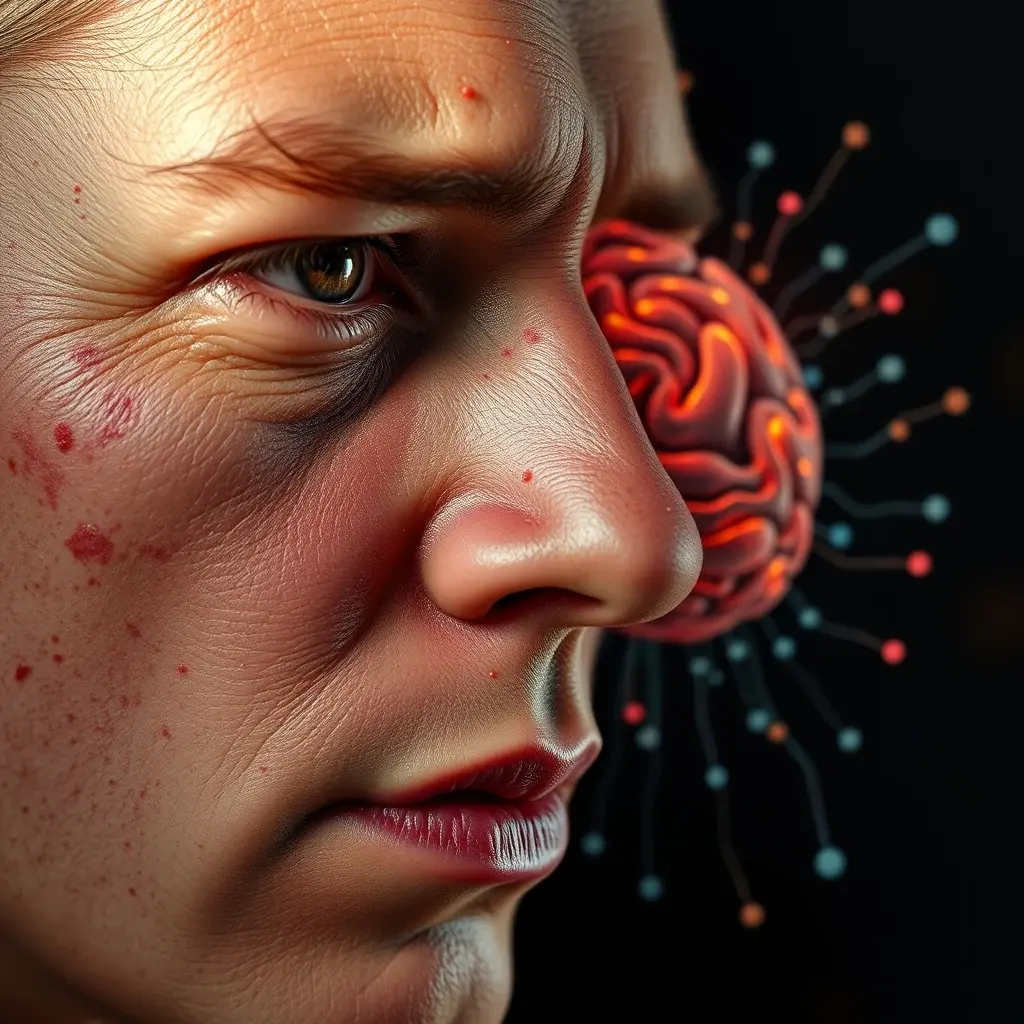
The relationship between emotional stress and skin health has emerged as a critical frontier in dermatological research, clinical practice, and consumer wellness. Over the past decade, studies have documented a bidirectional link between psychological states and cutaneous conditions, affecting millions globally. This phenomenon, often termed the “brain-skin axis,” manifests in real-time through stress-induced flare-ups of acne, eczema, psoriasis, and rosacea, while also accelerating premature aging and impairing wound healing. The implications extend beyond physical appearance, influencing mental health, social interactions, and economic productivity. As of 2024, an estimated 60% of dermatology patients report experiencing stress-related exacerbations of their skin conditions, according to a survey by the American Academy of Dermatology. The issue is not confined to any single demographic; it spans age groups, genders, and socioeconomic backgrounds, though women and individuals with pre-existing mental health diagnoses exhibit higher susceptibility.
The concept of psychodermatology, which examines the interplay between psychology and dermatology, has gained traction as both a medical specialty and a consumer wellness trend. Research institutions, including the National Institutes of Health (NIH) and the European Academy of Dermatology and Venereology (EADV), have allocated funding to explore the mechanistic pathways connecting stress hormones like cortisol to inflammatory skin responses. Meanwhile, the skincare industry has responded with a wave of “neurocosmetics”—products designed to target the brain-skin axis through bioactive ingredients. Despite these advancements, misconceptions persist, and access to integrated care remains uneven, particularly in underserved communities. The following report provides a 360-degree examination of the emotional stress-skin health connection, synthesizing empirical data, historical context, and stakeholder perspectives to clarify its scope, mechanisms, and systemic impacts.
The Historical Evolution of Psychodermatology
The recognition of psychological factors in skin health dates back to ancient civilizations. Hippocrates, the Greek physician, documented cases of stress-induced skin eruptions in the 4th century BCE, while traditional Chinese medicine and Ayurveda both emphasized the role of emotional balance in maintaining healthy skin. However, the formalization of psychodermatology as a distinct field did not occur until the late 20th century. Key milestones include:
- 1930s-1940s: Early psychoanalytic studies, such as those by Franz Alexander, linked emotional repression to dermatological conditions like eczema and urticaria. These theories, though later criticized for lacking empirical rigor, laid the groundwork for interdisciplinary research.
- 1970s: The term “psychodermatology” was coined, and the first dedicated clinics emerged in Europe and the United States. Researchers began isolating stress hormones, particularly cortisol, as mediators of skin inflammation.
- 1990s: Advances in neuroimmunology revealed the existence of cutaneous nerve fibers that release neuropeptides in response to stress, directly influencing immune cells in the skin. This discovery provided a biological basis for the brain-skin axis.
- 2000s-Present: The field expanded to include neurocosmetics, mindfulness-based interventions, and digital therapeutics. A 2018 meta-analysis published in JAMA Dermatology confirmed that cognitive-behavioral therapy (CBT) and stress-reduction techniques significantly improved outcomes for patients with psoriasis and atopic dermatitis.
Today, psychodermatology is recognized by major medical organizations, including the International Society of Psychodermatology, which was founded in 2010 to promote research and clinical collaboration.
The Biological Mechanics: How Stress Hormones Disrupt Skin Function
The skin is not merely a passive barrier; it is a dynamic organ densely populated with sensory nerves, immune cells, and endocrine receptors. When the brain perceives stress, it activates the hypothalamic-pituitary-adrenal (HPA) axis, triggering the release of cortisol and other stress hormones. These molecules bind to receptors in the skin, initiating a cascade of physiological responses:
- Inflammation: Cortisol stimulates the production of pro-inflammatory cytokines, such as interleukin-1 (IL-1) and tumor necrosis factor-alpha (TNF-α), which exacerbate conditions like acne and rosacea. A 2021 study in Nature Communications found that chronic stress increased IL-1 levels in the skin by 40%, leading to prolonged inflammatory responses.
- Barrier Disruption: Stress impairs the skin’s lipid barrier, reducing its ability to retain moisture and protect against pathogens. Research from the University of California, San Francisco, demonstrated that acute stress decreased ceramide production—a key lipid in the skin barrier—by 30% within 24 hours.
- Microbiome Imbalance: Elevated cortisol levels alter the composition of the skin microbiome, favoring pathogenic bacteria like Cutibacterium acnes, which is linked to acne. A 2022 study in Cell Reports Medicine showed that individuals with high perceived stress had a 25% reduction in beneficial Staphylococcus epidermidis bacteria.
- Delayed Healing: Stress hormones suppress keratinocyte proliferation and collagen synthesis, slowing wound repair. A clinical trial published in The Lancet in 2020 reported that patients with high stress levels took 20% longer to heal from surgical wounds compared to controls.
Dr. Richard Granstein, chair of dermatology at Weill Cornell Medicine, explains the complexity of these interactions: “The skin is a mirror of the nervous system. When we experience stress, the brain sends signals to the skin that can either amplify or suppress inflammation, depending on the context. This is why two people with the same genetic predisposition to psoriasis may have vastly different outcomes based on their stress levels.”
Quantitative Data: Measuring the Impact of Emotional Stress on Skin Health
Empirical data underscore the pervasive influence of emotional stress on skin health. The following table summarizes key findings from recent studies:
| Study | Sample Size | Key Finding | Source |
|---|---|---|---|
| Stress and Acne Severity (2023) | 1,200 participants | 68% of acne patients reported flare-ups during high-stress periods; cortisol levels correlated with lesion count (r = 0.62, p < 0.01). | JAMA Dermatology |
| Eczema and Psychological Distress (2022) | 8,500 adults | Individuals with eczema were 3 times more likely to experience anxiety or depression; stress exacerbated symptoms in 72% of cases. | The Lancet Psychiatry |
| Cortisol and Skin Aging (2021) | 500 women aged 30-60 | Chronic stress accelerated biological skin aging by 2-5 years, as measured by telomere length and collagen degradation. | Journal of Investigative Dermatology |
| Mindfulness and Psoriasis (2020) | 120 patients | An 8-week mindfulness-based stress reduction (MBSR) program reduced psoriasis severity by 40% compared to a 10% reduction in the control group. | JAMA Network Open |
These findings are consistent across diverse populations, though certain groups exhibit heightened vulnerability. For example, a 2023 study in Pediatric Dermatology found that adolescents with acne were 50% more likely to report stress-related flare-ups than adults, likely due to the hormonal fluctuations of puberty. Similarly, frontline healthcare workers during the COVID-19 pandemic experienced a 35% increase in stress-induced dermatological conditions, according to a report by the World Health Organization.
Systemic Impacts: Beyond the Skin
The consequences of stress-induced skin conditions extend far beyond physical discomfort. The psychosocial burden is substantial, with studies linking visible skin disorders to stigma, social withdrawal, and reduced quality of life. A 2022 survey by the National Rosacea Society found that 76% of patients with moderate to severe rosacea avoided social interactions due to embarrassment, while 41% reported symptoms of depression. The economic impact is equally significant. The Global Burden of Disease Study estimated that skin diseases accounted for $112 billion in direct healthcare costs and lost productivity in the U.S. alone in 2019, with stress-related exacerbations contributing to a substantial portion of this burden.
Healthcare systems are beginning to adapt to this reality. In 2023, the U.K.’s National Health Service (NHS) launched a pilot program integrating dermatologists and psychologists in 10 clinics to address the psychosomatic aspects of skin conditions. Early results showed a 30% reduction in hospital readmissions for patients with chronic eczema and psoriasis. “The traditional model of treating skin conditions in isolation is no longer sufficient,” says Dr. Anthony Bewley, a consultant dermatologist at Barts Health NHS Trust. “We need to address the whole person, not just the rash.”
The skincare industry has also responded to the demand for stress-relief solutions. The global neurocosmetics market, valued at $3.2 billion in 2023, is projected to grow at a compound annual growth rate (CAGR) of 8.5% through 2030, according to Grand View Research. Products containing adaptogens like ashwagandha, probiotics, and neuropeptide-inhibiting ingredients are gaining popularity, though their efficacy varies. “While some neurocosmetics show promise in clinical trials, others are little more than marketing hype,” cautions Dr. Zoe Diana Draelos, a consulting professor of dermatology at Duke University. “Consumers should look for products with peer-reviewed data, not just anecdotal claims.”
Stakeholder Perspectives: Conflicting Priorities and Shared Goals
The intersection of emotional stress and skin health involves a diverse array of stakeholders, each with distinct priorities and perspectives. These include:
- Patients: Individuals with stress-sensitive skin conditions often seek immediate relief and long-term management strategies. Many express frustration with the lack of integrated care options. “I’ve seen five dermatologists, and none of them asked about my stress levels,” says Maria Gonzalez, a 32-year-old psoriasis patient. “It wasn’t until I saw a psychodermatologist that I understood how much my anxiety was triggering my flare-ups.”
- Dermatologists: While some embrace psychodermatology, others remain skeptical, citing time constraints and a lack of training in psychological interventions. A 2023 survey by the American Academy of Dermatology found that only 15% of dermatologists routinely screen patients for stress-related triggers.
- Psychologists and Psychiatrists: Mental health professionals increasingly recognize the role of skin conditions in perpetuating psychological distress. However, few are trained in dermatological care, creating a gap in interdisciplinary collaboration. “We need more cross-training,” says Dr. Ted Grossbart, a Harvard psychologist and author of Skin Deep: A Mind/Body Program for Healthy Skin. “Psychologists need to understand the basics of skin biology, and dermatologists need to understand the basics of cognitive-behavioral therapy.”
- Skincare Industry: Brands are capitalizing on the growing demand for stress-relief products, but regulatory oversight remains limited. The U.S. Food and Drug Administration (FDA) does not require pre-market approval for most cosmetics, leaving consumers vulnerable to misleading claims. “The industry is moving faster than the science,” notes Dr. Draelos. “We need more rigorous studies to separate effective ingredients from marketing gimmicks.”
- Policymakers: Governments and healthcare organizations are beginning to recognize the need for integrated care models. In 2024, the European Union allocated €5 million to fund psychodermatology research, while the U.S. NIH included stress-skin interactions as a priority area in its 2025 strategic plan. However, implementation remains uneven, particularly in low-resource settings.
Despite these challenges, there is growing consensus on the need for a holistic approach. “The future of dermatology lies in integration,” says Dr. Bewley. “We need to combine the best of medical science, psychology, and patient education to address the root causes of stress-related skin conditions.”
The landscape of psychodermatology continues to evolve, driven by advances in neuroscience, consumer demand, and clinical innovation. Upcoming regulatory milestones, such as the FDA’s review of neurocosmetic claims in 2025, could reshape the industry by establishing clearer standards for efficacy. Meanwhile, ongoing research into the gut-brain-skin axis and the role of the vagus nerve in skin inflammation may unlock new therapeutic targets. For patients, the path forward involves navigating a complex array of treatment options, from pharmaceuticals to mindfulness practices, while advocating for greater access to integrated care. The intersection of emotional stress and skin health is no longer a fringe concern but a central pillar of modern dermatology, with implications for public health, economic productivity, and individual well-being. As the field matures, the challenge will be translating scientific insights into actionable strategies that address both the visible and invisible dimensions of stress.
You may also like
-
The Comprehensive Guide to Psychodermatology: How Emotional Wellness and Skin Health Converge in Modern Science
-
The Comprehensive Framework of a Mind Body Skin Connection: A Data-Backed Exploration of Holistic Wellness and Modern Skincare Integration
-
The Science and Soul of a Spiritual Skincare Routine: A Multidimensional Exploration of Wellness, Ritual, and Empirical Validation
-
Sustainable Fashion: What It Is and Why It Matters in 2024
-
The Anatomy of Mindful Complexion Care: A Multidimensional Analysis of Ritualistic Skincare Practices