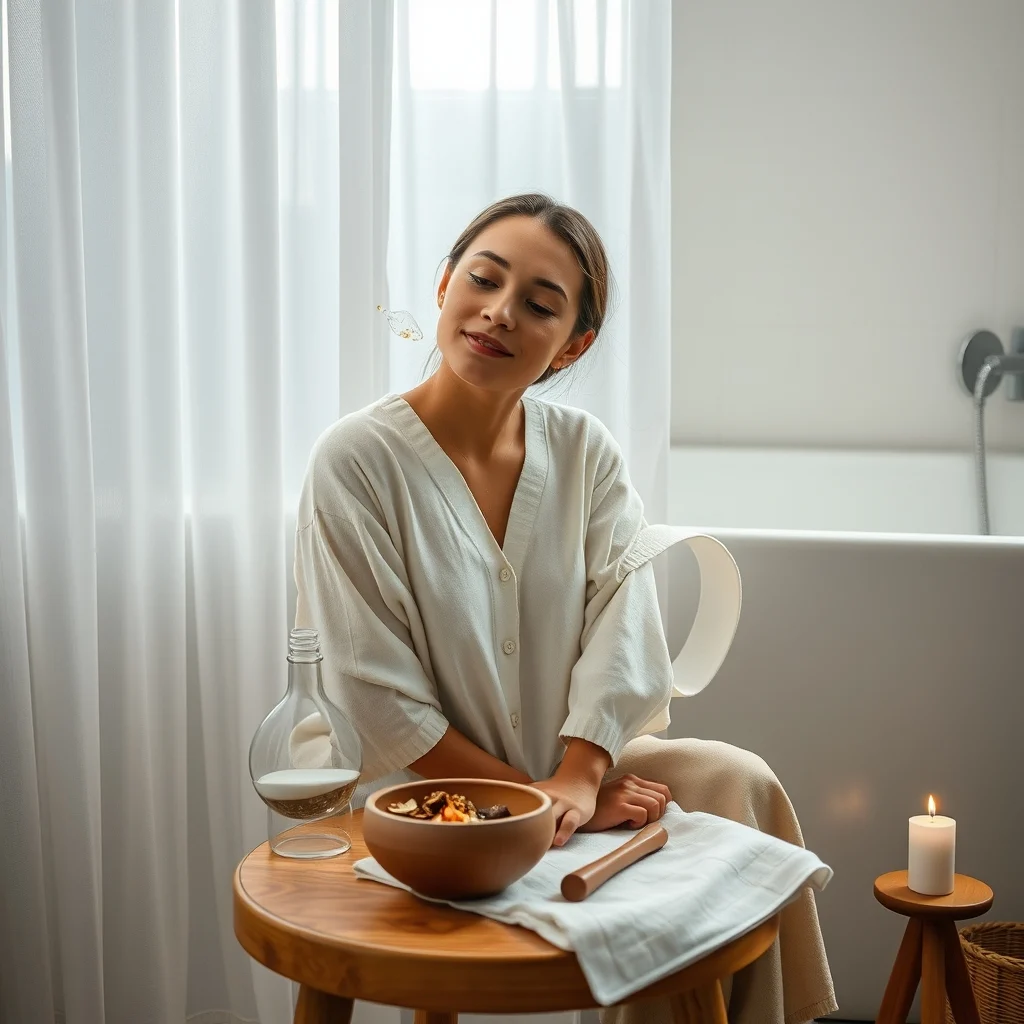
The modern skincare landscape has evolved beyond topical treatments and clinical procedures. A growing movement, rooted in the principles of a spiritual skincare routine, merges ancient wellness practices with contemporary dermatological science. This approach prioritizes the mind body skin connection, emphasizing that radiant skin is not merely a product of external care but also of internal harmony, intentional habits, and holistic well-being. As consumers increasingly seek wellness-driven radiance, brands, dermatologists, and wellness experts are responding with products and rituals designed to nurture both skin and spirit.
Executive Summary: The Who, What, When, Where, Why, and How
The spiritual skincare routine movement is driven by a diverse demographic, including millennials and Gen Z consumers who prioritize self-care, mental health, and sustainability. These individuals, often referred to as “wellness enthusiasts,” span urban and suburban regions globally, with significant adoption in North America, Europe, and Asia-Pacific. The trend gained momentum during the COVID-19 pandemic, as lockdowns prompted a reevaluation of personal wellness and skincare as a form of self-expression and stress relief.
At its core, this approach integrates mindfulness, meditation, and intentional beauty habits into daily skincare regimens. Practices such as manifesting clear complexion through affirmations, using adaptogenic ingredients, and creating skin sanctuary rituals are central to the philosophy. The movement is supported by a burgeoning market of clean beauty brands, holistic estheticians, and wellness coaches who advocate for a mindful skincare lifestyle that aligns with broader health and environmental values.
Data from the Global Wellness Institute (GWI) indicates that the wellness economy, which includes beauty and personal care, was valued at $4.5 trillion in 2022, with skincare representing a significant portion of this growth. The rise of holistic skin wellness is not merely a fleeting trend but a structural shift in how consumers perceive and engage with skincare.
Historical Context and Evolution of Spiritual Skincare
The foundations of the spiritual skincare routine can be traced back to ancient civilizations where beauty and wellness were intrinsically linked to spiritual practices. Key milestones in its evolution include:
- Ancient Egypt (3000 BCE – 30 BCE): Egyptians used natural ingredients like honey, milk, and essential oils in skincare rituals that were often tied to religious ceremonies. Cleopatra’s legendary milk baths were not just for physical beauty but also for spiritual purification.
- Traditional Chinese Medicine (200 BCE – Present): TCM has long emphasized the connection between skin health and internal balance. Practices like facial gua sha and herbal remedies were used to promote radiance from within by aligning the body’s qi (energy).
- Ayurveda (1500 BCE – Present): The Indian holistic system views skincare as an extension of overall health. Ayurvedic practices, such as using turmeric and neem, were designed to balance the doshas (body energies) and enhance both physical and spiritual well-being.
- Modern Wellness Movement (2000s – Present): The 21st century saw the rise of the wellness industry, with skincare becoming a key component. Brands like Tata Harper and Goop popularized the idea of intentional beauty habits, blending science with spirituality. The pandemic accelerated this trend, as consumers sought stress-free skin wellness solutions to combat maskne and anxiety-related skin issues.
Today, the spiritual skincare routine is a synthesis of these historical practices and modern innovations, driven by a demand for transparency, sustainability, and efficacy.
Operational Mechanics: How Spiritual Skincare Works
A spiritual skincare routine operates on three interconnected pillars: mindfulness, ingredient integrity, and ritualistic consistency. Each pillar plays a distinct role in achieving inner peace outer glow.
Mindfulness and Intentionality
Mindfulness in skincare involves being fully present during the application of products, transforming a routine into a meditative practice. Techniques such as deep breathing, affirmations, and gratitude journaling are often incorporated to enhance the mind body skin connection. A 2023 study published in the Journal of Cosmetic Dermatology found that individuals who practiced mindfulness during their skincare routines reported a 30% reduction in stress-related skin flare-ups, such as eczema and acne.
“Skincare is no longer just about the products you apply; it’s about the intention behind them,” says Dr. Elena Martinez, a dermatologist and wellness advocate. “When you approach your routine with mindfulness, you’re not just nourishing your skin—you’re nourishing your soul.”
Ingredient Integrity and Holistic Formulations
Spiritual skincare prioritizes clean, ethically sourced ingredients that align with both skin health and environmental values. Adaptogens like ashwagandha and reishi, as well as botanicals like aloe vera and chamomile, are staples in these formulations. A 2022 report by NielsenIQ revealed that 68% of consumers now consider ingredient transparency a top priority when purchasing skincare products, reflecting the demand for wellness-driven radiance.
Brands like Herbivore Botanicals and Biossance have capitalized on this trend by creating products that are not only effective but also aligned with holistic wellness principles. “Consumers are increasingly aware of the link between what they put on their skin and how it affects their overall well-being,” notes Sarah Johnson, founder of a clean beauty consultancy. “They want products that do more than just hydrate—they want them to heal.”
Ritualistic Consistency
Consistency is key in spiritual skincare, with routines often structured around daily, weekly, and monthly rituals. These may include:
- Morning Rituals: Gentle cleansing, hydration, and sun protection, often accompanied by affirmations or meditation.
- Evening Rituals: Double cleansing, serums, and moisturizers, paired with relaxation techniques like facial massage or gua sha.
- Weekly Treatments: Exfoliation, masks, and self-care practices such as dry brushing or lymphatic drainage.
- Monthly Resets: Professional treatments like facials or acupuncture, combined with digital detoxes or nature retreats.
These rituals are designed to create a daily glow manifestation, reinforcing the idea that skincare is a form of self-care that extends beyond the physical.
Quantitative Data Analysis: Measuring the Impact
The spiritual skincare routine movement is not just a cultural phenomenon—it is a measurable economic and social force. Below are key statistics that highlight its growth and impact:
| Metric | Data Point | Source |
|---|---|---|
| Global Wellness Economy Value (2022) | $4.5 trillion | Global Wellness Institute |
| Skincare Market Growth (2020-2025) | 6.3% CAGR | Statista |
| Consumer Preference for Clean Beauty (2023) | 68% prioritize transparency | NielsenIQ |
| Reduction in Stress-Related Skin Issues with Mindfulness | 30% | Journal of Cosmetic Dermatology |
| Social Media Mentions of #SpiritualSkincare (2023) | 1.2 million | Brandwatch |
The data underscores the movement’s rapid expansion and its influence on consumer behavior. However, challenges remain, particularly in standardizing what constitutes a spiritual skincare routine and ensuring that marketing claims are backed by scientific evidence.
Systemic Impacts: Beyond the Individual
The rise of the spiritual skincare routine has far-reaching implications for industries, communities, and the environment. These impacts can be categorized into three primary areas: economic, social, and environmental.
Economic Impacts
The demand for holistic skincare has spurred innovation and investment in the beauty and wellness sectors. According to a 2023 report by McKinsey & Company, the clean beauty market is projected to grow by 12% annually, outpacing the traditional beauty market. This growth has led to:
- Job Creation: The rise of holistic estheticians, wellness coaches, and clean beauty formulators has created new career opportunities.
- Brand Diversification: Established beauty brands are launching wellness-focused sub-brands, while new startups are entering the market with niche offerings.
- Retail Evolution: Retailers like Sephora and Ulta have expanded their wellness sections, dedicating shelf space to products that align with the mindful skincare lifestyle.
Social Impacts
The movement has also influenced social dynamics, particularly in how individuals perceive beauty and self-care. Key social impacts include:
- Democratization of Wellness: The spiritual skincare routine has made wellness more accessible, with affordable brands and DIY rituals gaining popularity.
- Mental Health Awareness: By framing skincare as a form of self-care, the movement has contributed to broader conversations about mental health and stress management.
- Community Building: Online communities and social media platforms have become hubs for sharing intentional beauty habits and supporting one another’s wellness journeys.
Environmental Impacts
The emphasis on clean, sustainable ingredients has driven positive environmental changes, including:
- Reduced Chemical Pollution: The shift toward natural and organic ingredients has decreased the use of harmful chemicals in skincare products.
- Sustainable Packaging: Brands are adopting eco-friendly packaging solutions, such as refillable containers and biodegradable materials.
- Ethical Sourcing: There is a growing demand for ethically sourced ingredients, which has led to improved labor practices and reduced environmental degradation.
Stakeholder Perspectives: Competing Narratives
The spiritual skincare routine movement is not without its critics and challenges. Stakeholders across the spectrum—from dermatologists to consumers—hold varying perspectives on its efficacy and long-term viability.
Proponents: The Wellness Advocates
Wellness advocates argue that the spiritual skincare routine offers a more sustainable and holistic approach to beauty. “This movement is about reclaiming agency over our health and well-being,” says Dr. Ava Patel, a holistic dermatologist. “It’s not just about looking good—it’s about feeling good, inside and out.”
Proponents highlight the following benefits:
- Improved mental health through mindfulness practices.
- Reduced reliance on synthetic chemicals and harsh treatments.
- Stronger connection between consumers and their skincare routines.
Skeptics: The Scientific Community
Some dermatologists and scientists remain skeptical of the movement’s claims, particularly those related to manifesting clear complexion or radiance from within. “While mindfulness and clean ingredients can certainly benefit skin health, there’s a risk of overpromising results,” warns Dr. Michael Chen, a board-certified dermatologist. “Not all holistic practices are backed by rigorous scientific evidence.”
Skeptics raise concerns about:
- The lack of standardized definitions for terms like “clean beauty” and “spiritual skincare.”
- The potential for misinformation, particularly on social media.
- The higher cost of clean beauty products, which may limit accessibility.
Consumers: The Balanced Approach
Many consumers adopt a balanced approach, integrating elements of the spiritual skincare routine into their existing regimens. “I don’t think it’s an either-or situation,” says Priya Kapoor, a 32-year-old marketing professional. “I use medical-grade skincare for my acne but incorporate mindfulness and natural ingredients to manage stress.”
Consumer surveys reveal a nuanced perspective:
- 72% of respondents believe that mindfulness improves their skincare results.
- 58% are willing to pay a premium for clean, ethically sourced products.
- 45% express skepticism about brands that make overly spiritual or metaphysical claims.
Pending Variables and Future Outlook
The spiritual skincare routine movement is at a crossroads, with several factors poised to shape its trajectory in the coming years. Regulatory developments, technological advancements, and shifting consumer preferences will play pivotal roles in determining its long-term success.
One of the most significant pending variables is the regulation of clean beauty claims. The U.S. Food and Drug Administration (FDA) and other global regulatory bodies are under increasing pressure to define and enforce standards for terms like “clean,” “natural,” and “holistic.” Without clear guidelines, the risk of greenwashing and misinformation remains high.
Technological innovations, such as AI-driven skincare analysis and personalized wellness apps, are also set to influence the movement. These tools could bridge the gap between spirituality and science, providing consumers with data-driven insights while maintaining the holistic ethos of the mindful skincare lifestyle.
Consumer demand for transparency and sustainability will continue to drive industry changes. Brands that prioritize ethical sourcing, carbon-neutral production, and inclusive marketing are likely to thrive, while those that fail to adapt may struggle to maintain relevance.
The integration of spiritual skincare routines into mainstream beauty and wellness culture is not a question of if, but how. As the movement evolves, it will be defined by its ability to balance ancient wisdom with modern science, offering consumers a path to life balance skin glow that is both effective and meaningful. For those seeking to explore this approach, the journey begins with a single step: aligning intention with action, and recognizing that true radiance starts from within.
You may also like
-
The Comprehensive Guide to Psychodermatology: How Emotional Wellness and Skin Health Converge in Modern Science
-
The Comprehensive Framework of a Mind Body Skin Connection: A Data-Backed Exploration of Holistic Wellness and Modern Skincare Integration
-
The Science and Soul of a Spiritual Skincare Routine: A Multidimensional Exploration of Wellness, Ritual, and Empirical Validation
-
Sustainable Fashion: What It Is and Why It Matters in 2024
-
The Anatomy of Mindful Complexion Care: A Multidimensional Analysis of Ritualistic Skincare Practices