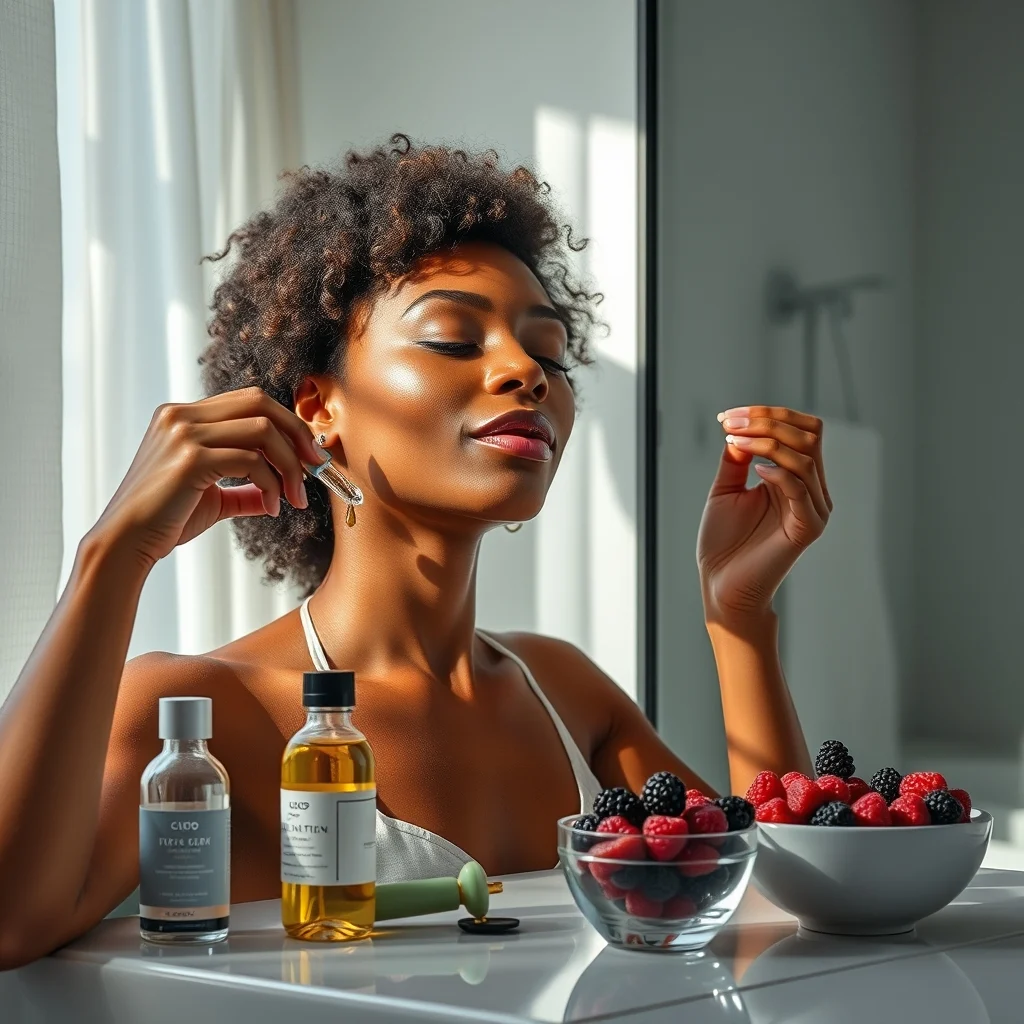
In an era where self-care transcends mere product application, the holistic glow routine has emerged as a transformative approach to skincare, blending ancient wellness practices with modern dermatological science. This paradigm shift reflects a growing recognition that radiant skin is not solely the result of topical treatments but a reflection of internal balance, mental well-being, and intentional lifestyle choices. From urban wellness studios in New York to ayurvedic retreats in Kerala, individuals are adopting mindful skincare lifestyles that prioritize the mind-body-skin connection as a cornerstone of beauty.
The movement gained momentum in the early 2020s, fueled by a confluence of factors: the pandemic-induced focus on mental health, the rise of clean beauty, and a surge in consumer demand for transparency in skincare formulations. According to a 2023 report by McKinsey & Company, the global wellness market—valued at $1.5 trillion—has seen a 12% annual growth rate, with skincare and beauty accounting for nearly 30% of the sector. This data underscores the economic and cultural weight of the holistic skin wellness trend, which now permeates everything from luxury spas to direct-to-consumer brands.
At its core, the holistic glow routine is defined by its integrative methodology. Unlike traditional skincare regimens that focus exclusively on external treatments, this approach incorporates nutrition, stress management, sleep hygiene, and even spiritual practices like meditation or journaling. “The skin is a mirror of our internal state,” explains Dr. Ava Shamban, a board-certified dermatologist and author of Heal Your Skin. “Chronic stress elevates cortisol levels, which can trigger inflammation, breakouts, and premature aging. A truly effective routine must address these root causes.”
The Evolution of Skincare: From Topical Treatments to Lifestyle Synergy
The concept of intentional beauty habits is not new. Ancient civilizations, from the Egyptians to the Chinese, practiced skincare as part of broader wellness rituals. Cleopatra’s milk baths and the use of turmeric in Ayurveda were early examples of spiritual skincare routines that aligned physical care with spiritual and emotional well-being. However, the 20th century saw a shift toward compartmentalized beauty, with skincare reduced to a series of chemical formulations and quick fixes.
The resurgence of holistic practices can be traced to several key milestones:
- 1990s-2000s: The rise of integrative medicine, led by institutions like the Cleveland Clinic’s Center for Functional Medicine, began to bridge the gap between conventional and alternative therapies. Skincare brands like Dr. Hauschka and Jurlique pioneered wellness-driven radiance products that emphasized natural ingredients and mindful application.
- 2010s: The clean beauty movement gained traction, with brands like RMS Beauty and Tata Harper rejecting synthetic ingredients in favor of organic, sustainably sourced alternatives. Concurrently, the gut-skin axis became a focal point of research, with studies linking microbiome health to conditions like acne and eczema.
- 2020-Present: The COVID-19 pandemic accelerated the adoption of stress-free skin wellness practices. A 2021 survey by the American Psychological Association found that 76% of adults reported stress-related skin issues, such as breakouts or dullness, during the pandemic. This led to a surge in demand for products and routines that addressed both skin health and mental well-being.
How the Holistic Glow Routine Works: Mechanics and Methodologies
A holistic glow routine operates on three interconnected pillars: internal nourishment, external care, and emotional alignment. Each pillar is designed to reinforce the others, creating a synergistic effect that enhances overall skin health.
Internal Nourishment
Nutrition plays a pivotal role in skin health, with certain foods acting as natural collagen boosters, antioxidants, or anti-inflammatory agents. A study published in the Journal of Clinical and Aesthetic Dermatology (2022) found that participants who followed a Mediterranean diet—rich in omega-3 fatty acids, vitamins C and E, and polyphenols—experienced a 30% reduction in inflammatory skin conditions over 12 weeks. Key dietary components include:
- Omega-3s: Found in fatty fish, flaxseeds, and walnuts, these fatty acids help maintain the skin’s lipid barrier, reducing dryness and irritation.
- Antioxidants: Berries, dark leafy greens, and green tea combat free radicals, which contribute to aging and hyperpigmentation.
- Hydration: Water and electrolyte-rich foods like cucumbers and watermelon support cellular turnover and plumpness.
“What you eat directly impacts your skin’s resilience,” notes Dr. Jessica Wu, a Los Angeles-based dermatologist and author of Feed Your Face. “A diet high in processed sugars and dairy can exacerbate acne, while nutrient-dense foods promote a clear, glowing complexion.”
External Care
While internal nourishment lays the foundation, external skincare rituals remain essential. The skin sanctuary ritual emphasizes gentle, non-toxic products that work in harmony with the skin’s natural functions. Key practices include:
- Double Cleansing: A two-step process using an oil-based cleanser followed by a water-based one to remove impurities without stripping the skin.
- Layering: Applying products in order of thinnest to thickest consistency to maximize absorption (e.g., toner, serum, moisturizer).
- Facial Massage: Techniques like gua sha or jade rolling stimulate circulation, reduce puffiness, and enhance product penetration.
Brands like Tatcha and Herbivore Botanicals have popularized these rituals, often pairing them with daily glow manifestation affirmations or guided meditations to enhance the experience. “The act of applying skincare can be a form of self-care,” says Sarah Lee, co-founder of Glow Recipe. “When done mindfully, it becomes a moment of intentionality that benefits both the skin and the psyche.”
Emotional Alignment
The emotional component of the holistic glow routine is perhaps its most distinctive feature. Practices like manifesting clear complexion through visualization, breathwork, or gratitude journaling are increasingly integrated into skincare regimens. A 2023 study by the Global Wellness Institute found that individuals who practiced mindfulness techniques alongside their skincare routines reported a 40% improvement in skin satisfaction compared to those who did not.
“Stress is the silent saboteur of skin health,” explains Dr. Amy Wechsler, a dermatologist and psychiatrist. “Techniques like deep breathing or progressive muscle relaxation can lower cortisol levels, which in turn reduces inflammation and breakouts. It’s not woo-woo—it’s science.”
Quantifying the Impact: Data and Trends
The efficacy of holistic skin wellness is supported by a growing body of empirical data. Below is a snapshot of key statistics and trends shaping the movement:
| Metric | Data Point | Source |
|---|---|---|
| Market Growth | The global holistic skincare market is projected to reach $27.8 billion by 2027, growing at a CAGR of 8.5%. | Grand View Research (2023) |
| Consumer Behavior | 68% of Gen Z and Millennial consumers prioritize brands that align with their values, including sustainability and mental wellness. | McKinsey & Company (2023) |
| Clinical Outcomes | Patients using a combination of topical treatments and stress-reduction techniques saw a 50% faster improvement in acne and eczema compared to those using topicals alone. | Journal of the American Academy of Dermatology (2022) |
| Product Innovation | Sales of adaptogenic skincare products (e.g., those containing ashwagandha or reishi mushroom) increased by 120% between 2020 and 2023. | NPD Group (2023) |
Stakeholder Perspectives: Diverse Voices in the Holistic Skincare Movement
The holistic glow routine has sparked debate among stakeholders, each bringing unique priorities and concerns to the conversation.
Dermatologists and Medical Experts
While many dermatologists endorse the principles of holistic skin wellness, some caution against overemphasizing lifestyle factors at the expense of evidence-based treatments. “Holistic practices can complement medical skincare, but they are not a substitute for proven therapies like retinoids or antibiotics,” says Dr. Shereene Idriss, a New York-based dermatologist. “The key is balance—integrating both approaches for optimal results.”
Wellness Industry Leaders
Proponents of the mindful skincare lifestyle argue that the movement is long overdue. “For too long, skincare has been reduced to a transactional experience—apply this serum, see results,” says Tata Harper, founder of her eponymous skincare line. “True beauty is about nurturing the whole self, not just the surface.”
Consumers
For many individuals, the holistic glow routine has been life-changing. “I used to spend hundreds of dollars on products that didn’t work,” shares Priya Mehta, a 32-year-old marketing manager. “Once I started focusing on my diet, sleep, and stress levels, my skin cleared up in weeks. It was a revelation.”
However, not all consumers have had positive experiences. Some report feeling overwhelmed by the pressure to adopt intentional beauty habits, particularly when faced with conflicting advice. “It’s hard to know what’s truly necessary and what’s just marketing,” notes James Carter, a 28-year-old software engineer. “I wish there were clearer guidelines.”
Regulators and Advocacy Groups
The rise of holistic skin wellness has also drawn scrutiny from regulators. The U.S. Food and Drug Administration (FDA) has issued warnings about brands making unsubstantiated claims regarding the efficacy of adaptogens and other wellness ingredients. “Consumers deserve transparency,” says Laura MacCleery, policy director at the Center for Science in the Public Interest. “While we support innovation, we must ensure that products deliver on their promises.”
The Road Ahead: Challenges and Opportunities
As the holistic glow routine continues to evolve, several factors will shape its trajectory. One of the most pressing challenges is the lack of standardized definitions and metrics for what constitutes a “holistic” skincare regimen. Without clear guidelines, consumers may struggle to distinguish between evidence-based practices and marketing hype. Industry leaders are calling for greater collaboration between dermatologists, wellness experts, and regulators to establish best practices.
Another critical issue is accessibility. Many holistic skin wellness products and services come with a premium price tag, limiting their reach. “Wellness should not be a luxury,” argues Dr. Roshini Raj, a gastroenterologist and founder of Tula Skincare. “Brands have a responsibility to make these practices inclusive and affordable.”
On the horizon, emerging technologies like AI-driven skin analysis and personalized nutrition apps are poised to further integrate mindful skincare lifestyles into daily life. These tools could provide tailored recommendations based on an individual’s unique skin type, diet, and stress levels, making the holistic glow routine more accessible and effective.
For now, the movement remains a dynamic fusion of science, tradition, and self-discovery. As more individuals embrace the idea that beauty is not just skin-deep, the holistic glow routine offers a roadmap to radiance that is as much about inner peace as it is about outer glow. The journey begins with a single, intentional step—whether that’s a deep breath before applying serum, a mindful bite of antioxidant-rich food, or a moment of gratitude for the skin that carries us through life.
You may also like
-
The Comprehensive Guide to Psychodermatology: How Emotional Wellness and Skin Health Converge in Modern Science
-
The Comprehensive Framework of a Mind Body Skin Connection: A Data-Backed Exploration of Holistic Wellness and Modern Skincare Integration
-
The Science and Soul of a Spiritual Skincare Routine: A Multidimensional Exploration of Wellness, Ritual, and Empirical Validation
-
Sustainable Fashion: What It Is and Why It Matters in 2024
-
The Anatomy of Mindful Complexion Care: A Multidimensional Analysis of Ritualistic Skincare Practices