Struggling with redness, tightness, or breakouts no matter how many products you try? The missing link might not be another serum or moisturizer—it’s how you’re protecting your skin’s natural barrier. A skincare-wellness routine integration that prioritizes barrier health can transform sensitive, reactive skin into a resilient, glowing complexion. The key lies in simplifying your approach while aligning your skincare with daily habits that support overall well-being.
Why Your Skin Barrier Deserves the Spotlight
Your skin barrier is the outermost layer that locks in moisture and shields against environmental stressors like pollution, UV rays, and harsh weather. When it’s compromised, even the gentlest products can trigger irritation, dryness, or breakouts. Many people unknowingly weaken this barrier by over-exfoliating, using stripping cleansers, or layering too many active ingredients.
A barrier-first approach means choosing products and routines that reinforce this protective layer. Look for ingredients like ceramides, cholesterol, and fatty acids—these mimic the skin’s natural lipids and help repair gaps in the barrier. Pairing these with a mindful wellness routine, such as stress management and hydration, creates a holistic system that works from the inside out.
Simplify Your Routine with Skinimalism
Less is often more when it comes to skincare. Skinimalism—a minimalist approach to skincare—focuses on using fewer, high-quality products that deliver maximum benefits. Start by auditing your current routine: Do you really need that third serum, or could one multi-tasking product do the job? For example, a hydrating toner with barrier-supporting ingredients can replace a separate essence and serum.
This approach isn’t just about cutting products—it’s about being intentional. Swap harsh physical exfoliants for gentle chemical exfoliants like lactic acid, which sloughs off dead skin without disrupting the barrier. Opt for fragrance-free formulas to minimize irritation, and always follow cleansing with a moisturizer to seal in hydration. The goal is to create a routine that’s so simple, you’ll stick with it consistently.
Align Skincare with Wellness Habits
Your skin reflects your overall health, so integrating wellness habits can amplify your skincare results. Start with hydration: Drinking enough water supports skin elasticity and helps flush out toxins. If plain water feels boring, infuse it with cucumber or lemon for a refreshing twist. Sleep is another non-negotiable—aim for 7-9 hours per night, as this is when your skin repairs itself.
Stress management is equally critical. Chronic stress triggers inflammation, which can worsen conditions like eczema, rosacea, and acne. Incorporate mindfulness practices like deep breathing, yoga, or even a 5-minute meditation into your morning or evening routine. These small moments of calm can reduce cortisol levels and promote a healthier complexion.
Choose Products That Work with Your Skin, Not Against It
Not all skincare products are created equal, especially when it comes to barrier health. Avoid alcohol-based toners, sulfates in cleansers, and overusing retinoids or vitamin C—these can strip the skin and cause sensitivity. Instead, focus on products with soothing ingredients like niacinamide, panthenol, and squalane. These help calm inflammation and strengthen the barrier over time.
When introducing new products, do a patch test first to check for reactions. Apply a small amount behind your ear or on your inner arm and wait 24 hours. If no redness or irritation appears, it’s likely safe to use on your face. This simple step can prevent weeks of discomfort and setbacks in your routine.
Create a Morning and Evening Ritual That Feels Like Self-Care
Your skincare routine should be a moment of pause in your day, not a chore. In the morning, keep it light: cleanse with a gentle, pH-balanced cleanser, apply a hydrating serum, and finish with a moisturizer and SPF. Sunscreen is non-negotiable—it protects your barrier from UV damage, which is a leading cause of premature aging and sensitivity.
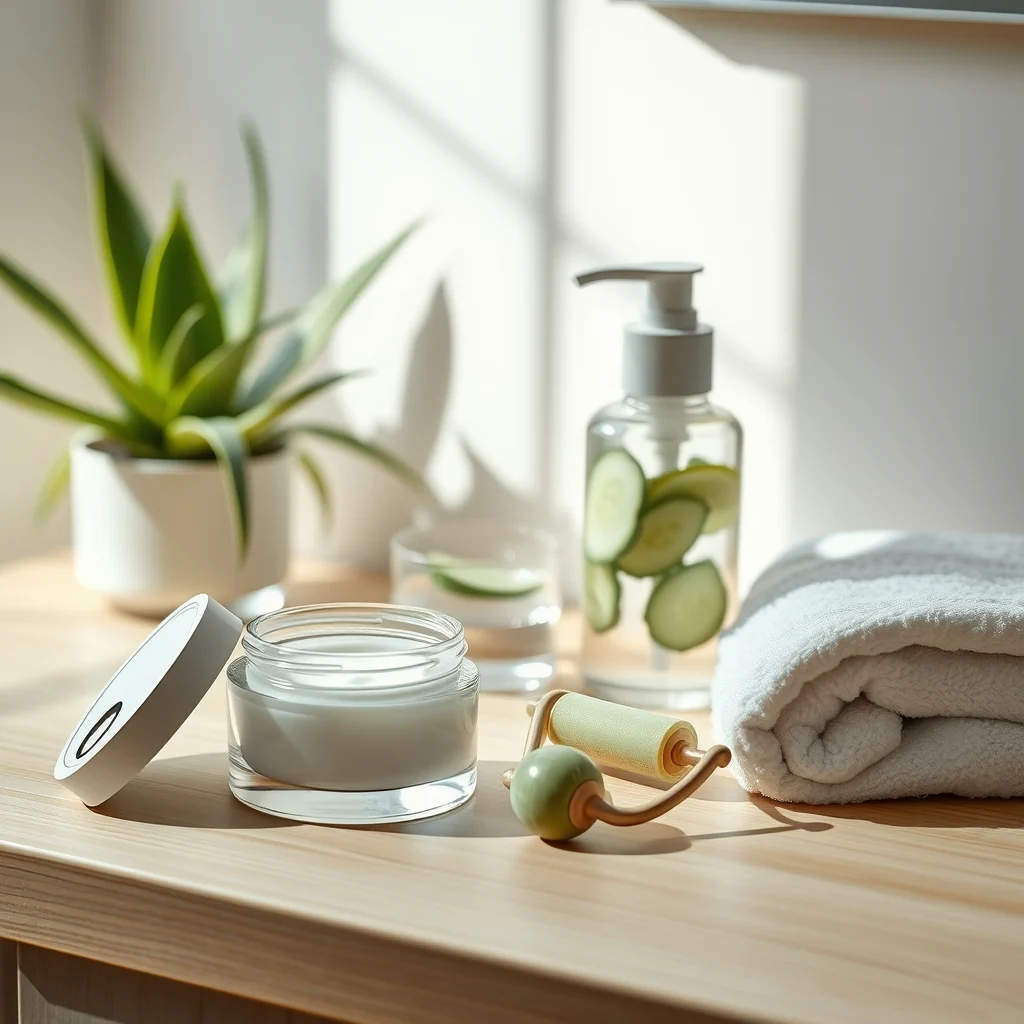
Evenings are for repair. Double cleanse if you wear makeup or sunscreen: Start with an oil-based cleanser to dissolve impurities, then follow with a water-based cleanser to remove residue. Apply a nourishing moisturizer or a barrier-repair cream to support overnight recovery. If you enjoy a facial massage, use a jade roller or your fingertips to boost circulation and help products absorb better.
Listen to Your Skin’s Signals
Your skin communicates its needs—you just have to pay attention. If it feels tight after cleansing, your cleanser might be too harsh. If it stings when applying a product, that’s a sign of irritation. Redness, flakiness, or sudden breakouts often indicate a compromised barrier. When these signs appear, simplify your routine and focus on soothing, hydrating products until your skin recovers.
Remember, skincare isn’t about perfection—it’s about progress. Some days, your skin will glow; other days, it might need extra care. By adopting a barrier-first, skinimalist approach, you’re not just treating symptoms—you’re building a foundation for long-term skin health. Pair this with mindful wellness habits, and you’ll create a routine that nurtures both your skin and your well-being.
Start small: Pick one barrier-supporting product to add to your routine this week, like a ceramide-rich moisturizer or a gentle cleanser. Notice how your skin responds, and adjust as needed. Over time, these small changes will add up to a complexion that’s not just healthier, but more resilient—and that’s the ultimate goal of any skincare-wellness routine integration.
You may also like
-
Skincare-Wellness Routine Integration: A Beginner’s Guide to Holistic Skin Health
-
Skincare-Wellness Routine Integration: Quick Tips for Busy People
-
Skincare-Wellness Routine Integration: A Beginner’s Guide to Holistic Skin Health
-
Skincare-Wellness Routine Integration: A Beginner’s Guide to Glowing Skin
-
Integrasi Rutinitas Skincare & Wellness: Panduan Lengkap untuk Pemula