Imagine waking up to skin so luminous, people ask if you’ve discovered the fountain of youth. The truth is, achieving that coveted glow isn’t about expensive potions or overnight miracles—it’s about understanding the science of beauty & skincare and tailoring a routine that works for your unique needs. Whether you’re battling dryness, oiliness, or the first signs of aging, the right habits can transform your complexion from dull to dazzling.
The Foundation of Flawless Skin: Cleansing Done Right
Your skincare journey begins with a clean canvas. But not all cleansers are created equal. Harsh soaps can strip your skin of natural oils, leaving it tight and irritated, while gentle formulas preserve your moisture barrier. Opt for a pH-balanced cleanser that matches your skin type—foaming for oily skin, creamy for dry, and micellar water for sensitive.
Double cleansing has become a game-changer, especially for those who wear makeup or sunscreen. Start with an oil-based cleanser to dissolve impurities, followed by a water-based one to deep-clean pores. This two-step method ensures no residue is left behind, setting the stage for the rest of your routine to work effectively.
Why Your Skin Type Dictates Your Routine
Not all skin is the same, and what works for your best friend might not suit you. Oily skin thrives with lightweight, non-comedogenic products, while dry skin craves hydrating serums and rich moisturizers. Combination skin? You’ll need a balanced approach, targeting different areas with tailored solutions.
If you’re unsure about your skin type, try the bare-faced test: wash your face, wait an hour, and observe. Shine all over? Oily. Flaky or tight? Dry. Shine only in the T-zone? Combination. Understanding this is the first step to curating a routine that delivers real results.
Hydration: The Secret Weapon for Plump, Youthful Skin
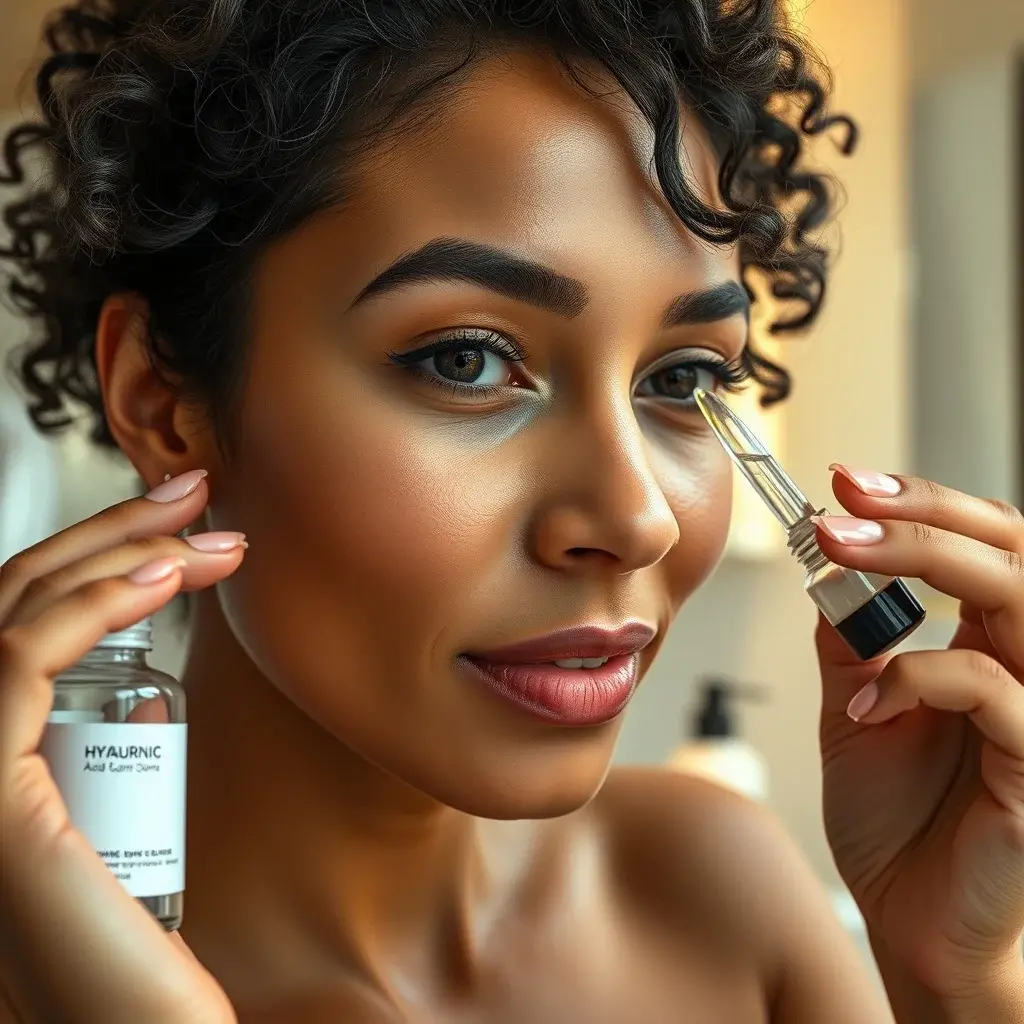
Hydration is the unsung hero of skincare. Even oily skin needs moisture—dehydration can trigger excess oil production, leading to breakouts. Hyaluronic acid is a powerhouse ingredient, capable of holding up to 1,000 times its weight in water. Incorporate a serum or essence into your routine to lock in moisture and plump fine lines.
Don’t forget the role of humectants, emollients, and occlusives. Humectants like glycerin draw water into the skin, emollients like squalane soften and smooth, and occlusives like petrolatum seal everything in. Layering these correctly can make a noticeable difference in your skin’s texture and radiance.
Serums vs. Moisturizers: What’s the Difference?
Serums are lightweight, fast-absorbing liquids packed with active ingredients like vitamin C, retinol, or niacinamide. They target specific concerns, such as dark spots or wrinkles, and should be applied before moisturizer. Moisturizers, on the other hand, are thicker and designed to hydrate and protect the skin’s barrier.
Think of serums as the treatment step and moisturizers as the maintenance step. Using both ensures your skin gets the best of both worlds: targeted solutions and long-lasting hydration.
The Anti-Aging Power of Sunscreen: Your Daily Shield
If there’s one product that deserves a permanent spot in your routine, it’s sunscreen. UV rays are responsible for up to 80% of visible aging, including wrinkles, dark spots, and loss of elasticity. A broad-spectrum SPF 30 or higher should be applied every morning, rain or shine.
Modern sunscreens are far from the greasy, white-cast formulas of the past. Today’s options include lightweight gels, tinted moisturizers, and even powder sunscreens for reapplication throughout the day. Find one you love, and make it a non-negotiable part of your beauty & skincare regimen.
Myth-Busting: Does Higher SPF Mean Better Protection?
Not necessarily. SPF 30 blocks about 97% of UVB rays, while SPF 50 blocks around 98%. The difference is minimal, but higher SPFs can provide a false sense of security, leading to less frequent reapplication. The key is to apply enough—about a nickel-sized amount for your face—and reapply every two hours if you’re outdoors.
Nighttime Skincare: Repair and Renew While You Sleep
Your skin works hardest at night, repairing damage and regenerating cells. This is the perfect time to use active ingredients like retinol, which boosts collagen production and speeds up cell turnover. Start with a low concentration to avoid irritation, and always follow with a moisturizer to buffer its effects.
Peptides are another nighttime hero. These amino acid chains signal your skin to produce more collagen, helping to reduce fine lines and improve firmness. Pair them with a nourishing night cream to wake up to softer, smoother skin.
Exfoliation: How Often Should You Do It?
Exfoliation removes dead skin cells, unclogs pores, and brightens your complexion. But overdoing it can damage your skin barrier, leading to redness and sensitivity. Chemical exfoliants like AHAs (glycolic acid) and BHAs (salicylic acid) are gentler than physical scrubs and can be used 1-3 times a week, depending on your skin’s tolerance.
Listen to your skin. If it feels tight or looks irritated, scale back. Consistency is more important than intensity when it comes to exfoliation.
Lifestyle Habits That Enhance Your Skincare Routine
Great skin isn’t just about what you put on it—it’s also about how you treat your body. Drinking enough water, eating a balanced diet rich in antioxidants, and getting quality sleep all contribute to a healthy complexion. Stress, on the other hand, can trigger breakouts and accelerate aging, so finding ways to unwind is just as important as your skincare routine.
Even small changes, like swapping pillowcases regularly or using a silk scrunchie to prevent hair breakage, can make a difference. Your skin reflects your overall health, so nurture it from the inside out.
Your journey to radiant skin is a marathon, not a sprint. By understanding your skin’s needs, choosing the right products, and staying consistent, you’ll build a routine that not only enhances your natural beauty but also stands the test of time. Start small, be patient, and let your skin’s transformation speak for itself.
You may also like
-
The Comprehensive Guide to Psychodermatology: How Emotional Wellness and Skin Health Converge in Modern Science
-
The Comprehensive Framework of a Mind Body Skin Connection: A Data-Backed Exploration of Holistic Wellness and Modern Skincare Integration
-
The Science and Soul of a Spiritual Skincare Routine: A Multidimensional Exploration of Wellness, Ritual, and Empirical Validation
-
Sustainable Fashion: What It Is and Why It Matters in 2024
-
The Anatomy of Mindful Complexion Care: A Multidimensional Analysis of Ritualistic Skincare Practices