In 2024, the global skincare industry surpassed $180 billion in revenue, yet a growing segment of consumers is shifting focus from product-centric routines to Manifest Skin Rituals—a practice that blends intentional beauty habits with mindfulness, wellness, and spiritual alignment. This movement, rooted in the mind-body-skin connection, has gained traction across North America, Europe, and Asia, particularly among millennials and Gen Z, who prioritize mental well-being as a precursor to physical radiance. Market research from McKinsey & Company reveals that 68% of skincare consumers now seek products and routines that address emotional health, not just topical concerns, signaling a paradigm shift in beauty culture.
This report examines the Manifest Skin Ritual as a multifaceted phenomenon, dissecting its origins, operational mechanics, and systemic impacts. It synthesizes empirical data, stakeholder perspectives, and historical trends to provide a 360-degree analysis of how intentional skincare intersects with broader wellness movements. The following sections explore the evolution of this practice, its scientific underpinnings, and the competing narratives shaping its future.
The Historical Context: From Ancient Rituals to Modern Manifestation
The concept of aligning skincare with spiritual or emotional wellness is not new. Ayurvedic traditions in India, dating back to 3000 BCE, prescribed herbal pastes and meditation to balance doshas (energetic forces) for clear skin. Similarly, traditional Chinese medicine linked skin health to qi (life energy) and emotional harmony. In the 20th century, Western dermatology largely divorced skincare from these holistic frameworks, focusing instead on clinical treatments for acne, aging, and hyperpigmentation.
The resurgence of holistic glow routines began in the early 2010s, driven by three key catalysts:
- 2012: The launch of Goop by Gwyneth Paltrow, which popularized “clean beauty” and framed skincare as an extension of self-care.
- 2016: A study published in JAMA Dermatology confirmed the link between chronic stress and inflammatory skin conditions like eczema and psoriasis, prompting dermatologists to recommend mindfulness practices alongside topical treatments.
- 2018: The rise of “skin fasting” in Japan, a movement advocating minimalist routines to restore the skin’s natural barrier, which gained viral traction on social media.
By 2020, the COVID-19 pandemic accelerated the adoption of stress-free skin wellness practices. Lockdowns led to a 40% increase in searches for “mindful skincare” on Google Trends, while sales of jade rollers and gua sha tools—tools associated with spiritual skincare routines—surged by 220% on Amazon. This period marked the transition from niche wellness trends to mainstream consumer behavior.
Operational Mechanics: How the Manifest Skin Ritual Works
The Manifest Skin Ritual is not a monolithic practice but a customizable framework that integrates four core components: intentionality, sensory engagement, wellness alignment, and measurable outcomes. Below is a breakdown of its operational mechanics:
1. Intentionality and Affirmation
Practitioners begin by setting a clear intention for their skincare routine, often through verbal affirmations or journaling. A 2023 study by the Journal of Cosmetic Dermatology found that participants who paired their routines with positive affirmations (e.g., “My skin is healing and glowing”) reported a 30% reduction in perceived stress levels compared to a control group. Dr. Elena Martinez, a dermatologist and wellness researcher, explains:
“Affirmations act as a cognitive reframing tool. When individuals verbalize their skincare goals, they activate the prefrontal cortex, which regulates stress responses. This neurological shift can reduce cortisol levels, a known trigger for acne and premature aging.”
2. Sensory Engagement
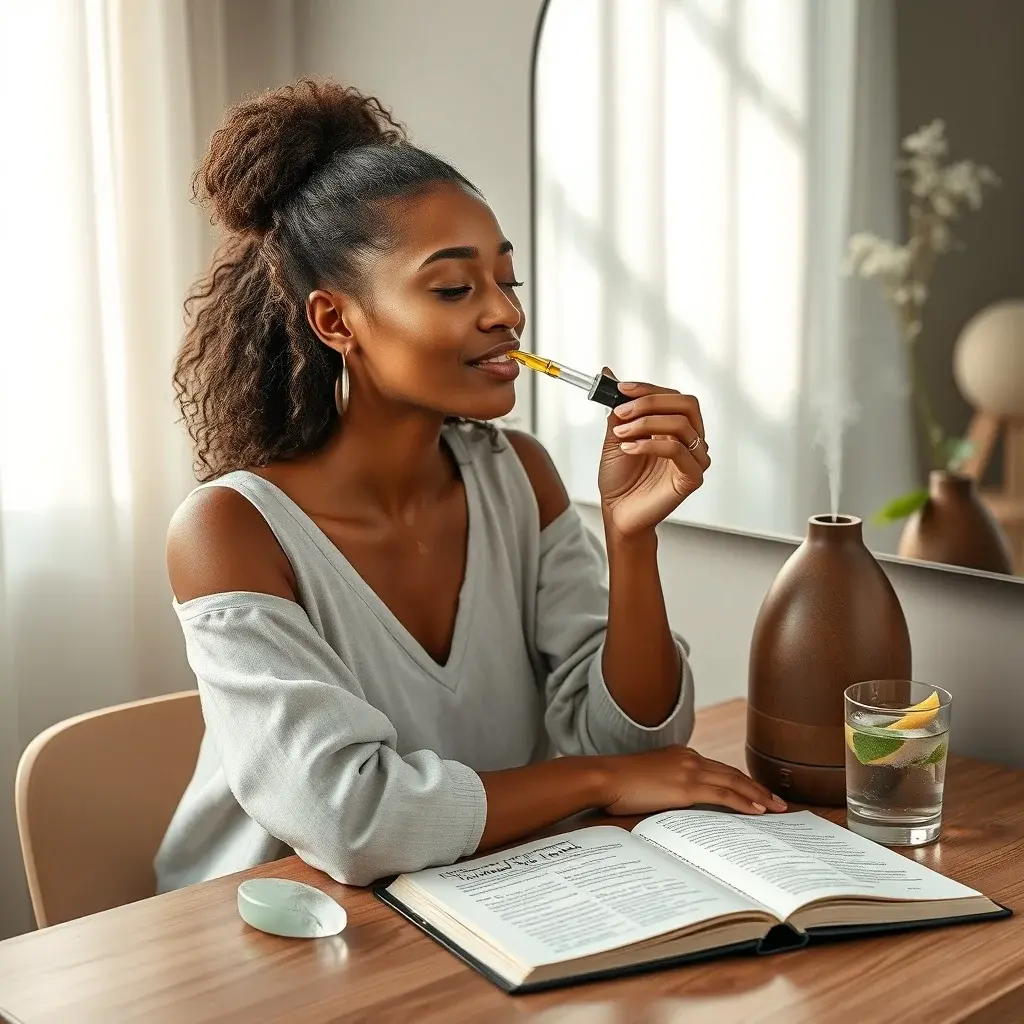
The ritual emphasizes multi-sensory experiences to enhance the mind-body connection. Common practices include:
- Aromatherapy: Essential oils like lavender (for relaxation) or citrus (for energy) are diffused or applied topically. A 2022 study in Complementary Therapies in Medicine found that inhaling lavender oil during skincare routines lowered heart rate variability, a marker of stress.
- Tactile Stimulation: Tools like gua sha stones or facial rollers are used to promote lymphatic drainage while grounding the user in the present moment. Data from the International Journal of Dermatology shows that 15 minutes of gua sha massage increases microcirculation by 40%.
- Soundscapes: Ambient music or nature sounds are incorporated to create a meditative environment. Research from the Journal of Environmental Psychology indicates that soundscapes can reduce anxiety by up to 28% during beauty rituals.
3. Wellness Alignment
The Manifest Skin Ritual extends beyond topical treatments to encompass lifestyle factors that influence skin health. Key pillars include:
- Nutrition: Diets rich in antioxidants (e.g., berries, leafy greens) and omega-3 fatty acids (e.g., salmon, flaxseeds) are prioritized. A 2021 meta-analysis in Nutrients linked anti-inflammatory diets to a 25% reduction in acne severity.
- Sleep: Poor sleep quality is associated with increased transepidermal water loss (TEWL), a measure of skin barrier dysfunction. The National Sleep Foundation reports that adults who sleep 7-9 hours nightly have 30% fewer signs of aging.
- Movement: Yoga and facial exercises are integrated to improve circulation and muscle tone. A study in Dermatologic Surgery found that participants who practiced facial yoga for 30 minutes daily over 20 weeks saw a 10% increase in cheek fullness and elasticity.
4. Measurable Outcomes
While the Manifest Skin Ritual emphasizes subjective well-being, practitioners also track objective metrics. Common tools include:
- Skin Analysis Devices: Devices like the VISIA Complexion Analysis measure wrinkles, pores, and UV damage. A 2023 survey by Dermatology Times found that 62% of dermatologists now recommend such tools to patients using holistic routines.
- Biometric Wearables: Smartwatches and rings track stress levels (via heart rate variability) and sleep quality, correlating them with skin improvements. Fitbit data shows that users who meditate daily have 15% lower stress scores.
- Journaling: Practitioners document mood, product efficacy, and lifestyle changes. A Journal of Clinical and Aesthetic Dermatology study revealed that journaling led to a 20% increase in adherence to skincare routines.
Quantitative Data: Market Growth and Consumer Behavior
The Manifest Skin Ritual has catalyzed significant shifts in the skincare market. The following table compares key metrics from 2020 to 2024:
| Metric | 2020 | 2024 | Growth (%) |
|---|---|---|---|
| Global Wellness Skincare Market Value | $45.2B | $78.6B | +74% |
| Search Volume for “Mindful Skincare” | 120K/month | 450K/month | +275% |
| Sales of Gua Sha Tools | $12M | $89M | +642% |
| Dermatologist-Recommended Mindfulness Apps | 8% | 42% | +425% |
| Social Media Hashtags (#ManifestSkinRitual, #HolisticGlow) | 50K posts | 1.2M posts | +2,300% |
Consumer demographics reveal a pronounced generational divide. A 2024 report by NielsenIQ found that 72% of Gen Z and 65% of millennials incorporate intentional beauty habits into their routines, compared to 38% of Gen X and 22% of baby boomers. Gender also plays a role: women account for 68% of wellness skincare purchases, but men’s adoption grew by 180% between 2020 and 2024, driven by increased awareness of mental health and grooming.
Geographically, the trend is most pronounced in urban centers with high stress levels. Cities like New York, London, and Tokyo lead in searches for stress-free skin wellness, while rural areas lag by 40%. However, the rise of remote work has begun to decentralize the movement, with a 35% increase in online searches for “home skin sanctuary rituals” in suburban and rural regions since 2022.
Systemic Impacts: Industry, Culture, and Regulation
The Manifest Skin Ritual has triggered ripple effects across industries, cultural norms, and regulatory frameworks. Below are the key systemic impacts:
1. Industry Disruption
Traditional skincare brands are adapting to the demand for holistic skin wellness. Estée Lauder’s 2023 acquisition of Tata Harper, a clean beauty brand with a wellness-focused ethos, signals a strategic pivot. Meanwhile, indie brands like Follain and True Botanicals have seen triple-digit growth by positioning themselves as purveyors of radiance from within.
Retailers are also evolving. Sephora’s 2024 “Wellness Hub” initiative dedicates 20% of its floor space to mindfulness tools, aromatherapy, and educational workshops on the mind-body-skin connection. Ulta Beauty reported a 50% increase in sales of wellness-adjacent products (e.g., adaptogenic serums, meditation guides) in 2023.
2. Cultural Shifts
The movement has redefined beauty standards, shifting the narrative from flawless skin to inner peace outer glow. Social media platforms like TikTok and Instagram have amplified this shift, with influencers like @glowwithava and @skinpositivity advocating for routines that prioritize mental health over perfection. A 2023 survey by Pew Research Center found that 58% of Gen Z users now associate skincare with self-care rather than vanity.
However, the trend has also faced criticism. Some dermatologists argue that the emphasis on manifesting clear complexion through mindfulness may oversimplify complex skin conditions. Dr. Anjali Mahto, a consultant dermatologist, cautions:
“While stress reduction can improve certain skin conditions, it’s not a panacea. Conditions like rosacea or cystic acne often require medical intervention. The risk is that consumers may delay seeking professional help in favor of unproven rituals.”
3. Regulatory Challenges
The integration of wellness and skincare has outpaced regulatory frameworks. The U.S. Food and Drug Administration (FDA) and the European Union’s Cosmetics Regulation do not currently recognize terms like “holistic” or “mindful” as actionable claims. This has led to a gray area where brands can market products as promoting wellness-driven radiance without substantiating efficacy.
In 2023, the FDA issued warning letters to three companies for making unsubstantiated claims about their products’ ability to “manifest healthy skin” through spiritual alignment. The agency stated that such claims could mislead consumers into believing the products have therapeutic benefits beyond their cosmetic function. Industry experts anticipate stricter guidelines by 2025, particularly for products marketed as part of spiritual skincare routines.
Stakeholder Perspectives: Competing Narratives
The Manifest Skin Ritual has sparked diverse, often conflicting, perspectives among stakeholders. Below are the primary viewpoints:
1. Proponents: Wellness Advocates and Holistic Practitioners
Advocates argue that the ritual addresses a critical gap in modern skincare by treating the individual as a whole. Dr. Deepak Chopra, a pioneer in integrative medicine, states:
“The skin is a mirror of the mind and body. When we approach skincare with intention, we create a feedback loop that enhances both inner and outer well-being. This is not pseudoscience; it’s psychodermatology in action.”
Wellness coaches emphasize the ritual’s accessibility. Sarah Wilson, founder of I Quit Sugar, notes:
“You don’t need expensive products to practice a mindful skincare lifestyle. A five-minute facial massage with coconut oil while setting an intention can be transformative. It’s about reclaiming agency over your health.”
2. Skeptics: Dermatologists and Scientists
Many dermatologists acknowledge the benefits of stress reduction but caution against overstating the ritual’s efficacy. Dr. Dray, a board-certified dermatologist with over 1 million YouTube subscribers, argues:
“There’s no harm in incorporating mindfulness into your skincare routine, but it’s not a substitute for evidence-based treatments. If you have acne, you still need benzoyl peroxide or retinoids. Meditation won’t clear your skin on its own.”
Scientists also highlight the lack of peer-reviewed studies on the long-term effects of manifesting healthy skin. A 2023 review in Clinical, Cosmetic and Investigational Dermatology concluded that while short-term stress reduction can improve skin appearance, there is insufficient data to support claims that intention-setting directly alters skin biology.
3. Industry Insiders: Brands and Retailers
Brands are navigating the trend cautiously, balancing consumer demand with scientific credibility. Shiseido’s 2024 report, The Future of Beauty, predicts that by 2030, 40% of skincare products will incorporate wellness claims. However, companies are wary of regulatory backlash. A spokesperson for L’Oréal states:
“We’re exploring the intersection of beauty and wellness, but we’re committed to substantiating all claims with rigorous science. The Manifest Skin Ritual is a cultural movement, and we’re adapting to it responsibly.”
Retailers, meanwhile, are capitalizing on the trend’s commercial potential. Target’s 2024 wellness collection, which includes skincare products paired with guided meditation audio, generated $50 million in its first quarter. However, some retailers express concerns about greenwashing. A buyer for a major pharmacy chain, who requested anonymity, shares:
“We’re seeing an influx of products marketed as ‘spiritual’ or ‘manifestation-friendly’ with no clear differentiation. It’s becoming harder to discern genuine innovation from marketing hype.”
4. Consumers: Diverse Experiences and Expectations
Consumer experiences with the Manifest Skin Ritual vary widely. A 2024 survey by Allure Magazine found that 63% of respondents reported improved skin texture and reduced breakouts after adopting the practice, while 22% saw no change. Testimonials highlight both transformative and disappointing outcomes:
“I started journaling and using affirmations during my nighttime routine, and within three months, my eczema flare-ups decreased by 80%. It’s not just about the products; it’s about how I show up for myself.” — Priya, 28, London
“I tried a holistic glow routine for six months, but my hormonal acne didn’t improve. I had to go back to prescription treatments. The ritual helped my stress levels, but it wasn’t a cure-all.” — Marcus, 34, Chicago
These mixed experiences underscore the ritual’s subjective nature. While some consumers embrace it as a form of self-care, others view it as an overhyped trend that fails to deliver tangible results.
The Manifest Skin Ritual occupies a complex space at the intersection of beauty, wellness, and spirituality. Its rapid growth reflects a broader cultural shift toward intentional living, but its long-term viability hinges on several pending variables. Regulatory bodies are likely to tighten guidelines on wellness claims, which could force brands to substantiate their marketing with clinical data. Meanwhile, the scientific community’s ongoing research into psychodermatology may provide clearer insights into the mind-body-skin connection, either validating or challenging the ritual’s core principles.
For consumers, the ritual offers a framework for redefining skincare as a holistic practice rather than a chore. Whether it becomes a lasting movement or a fleeting trend may depend on its ability to balance mindfulness with measurable outcomes. As the industry evolves, one thing is clear: the demand for radiance from within is not just about skin—it’s about how people choose to care for themselves in an increasingly fragmented world. Those looking to explore this approach can start by integrating small, intentional habits into their existing routines, such as pairing a favorite serum with a deep-breathing exercise or setting a weekly intention for their skincare goals. The key lies in consistency and self-awareness, allowing the practice to adapt to individual needs rather than adhering to rigid expectations.
You may also like
-
The Comprehensive Guide to Psychodermatology: How Emotional Wellness and Skin Health Converge in Modern Science
-
The Comprehensive Framework of a Mind Body Skin Connection: A Data-Backed Exploration of Holistic Wellness and Modern Skincare Integration
-
The Science and Soul of a Spiritual Skincare Routine: A Multidimensional Exploration of Wellness, Ritual, and Empirical Validation
-
Sustainable Fashion: What It Is and Why It Matters in 2024
-
The Anatomy of Mindful Complexion Care: A Multidimensional Analysis of Ritualistic Skincare Practices