
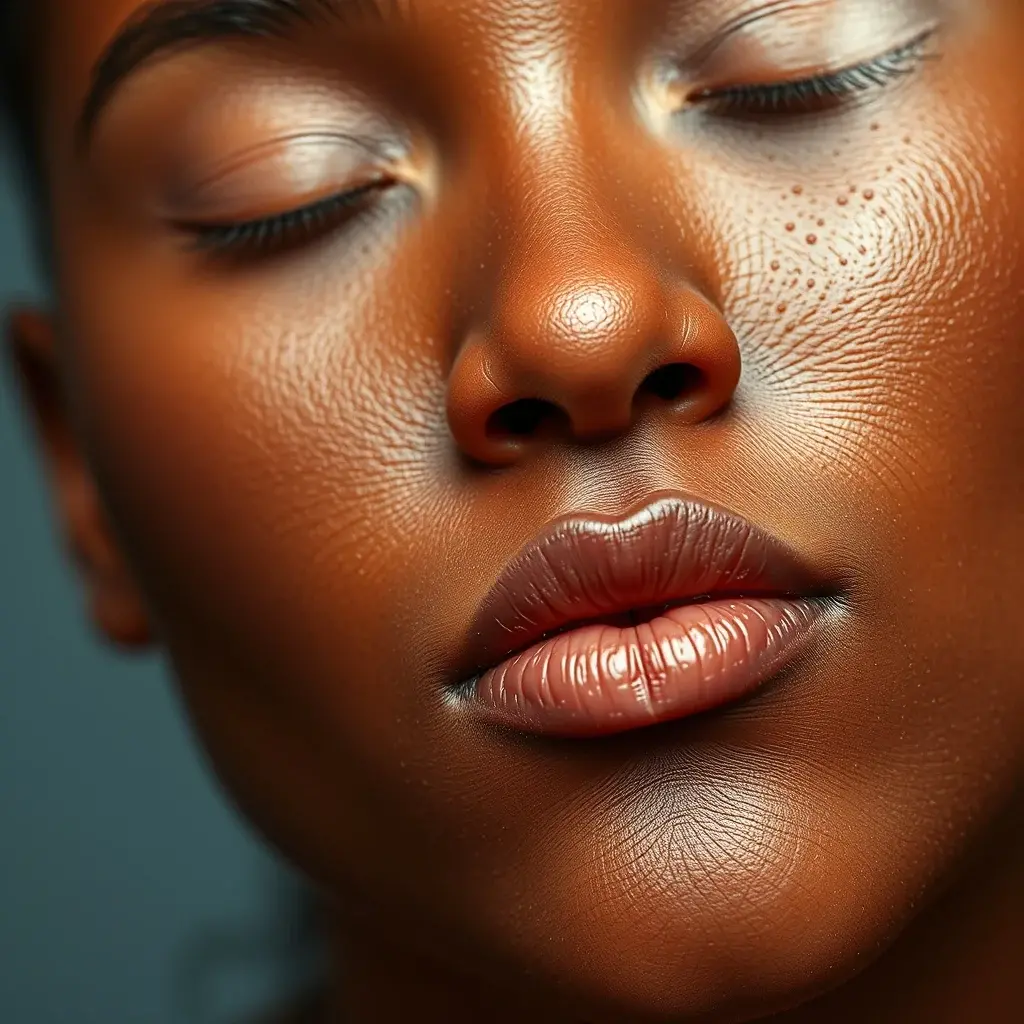
In the past decade, dermatologists, neurologists, and skincare researchers have documented a surge in patients presenting with stress-induced skin conditions—acne flare-ups during exam periods, eczema outbreaks following personal crises, and premature aging linked to chronic anxiety. A 2023 study by the American Academy of Dermatology found that 65% of adults reported visible skin reactions to emotional stress, with 42% experiencing persistent symptoms lasting beyond the stressor. This phenomenon, once dismissed as anecdotal, now anchors a growing field: neurocosmetics, where the brain-skin axis is recognized as a bidirectional highway influencing everything from barrier function to collagen production. The implications extend beyond clinical dermatology, reshaping consumer skincare routines, wellness industries, and even workplace mental health policies. Yet, despite mounting evidence, skepticism persists among traditionalists who argue that the correlation between emotional states and skin health lacks mechanistic clarity. The debate intensifies as new products flood the market, promising to
You may also like
-
The Comprehensive Guide to Psychodermatology: How Emotional Wellness and Skin Health Converge in Modern Science
-
The Comprehensive Framework of a Mind Body Skin Connection: A Data-Backed Exploration of Holistic Wellness and Modern Skincare Integration
-
The Science and Soul of a Spiritual Skincare Routine: A Multidimensional Exploration of Wellness, Ritual, and Empirical Validation
-
Sustainable Fashion: What It Is and Why It Matters in 2024
-
The Anatomy of Mindful Complexion Care: A Multidimensional Analysis of Ritualistic Skincare Practices