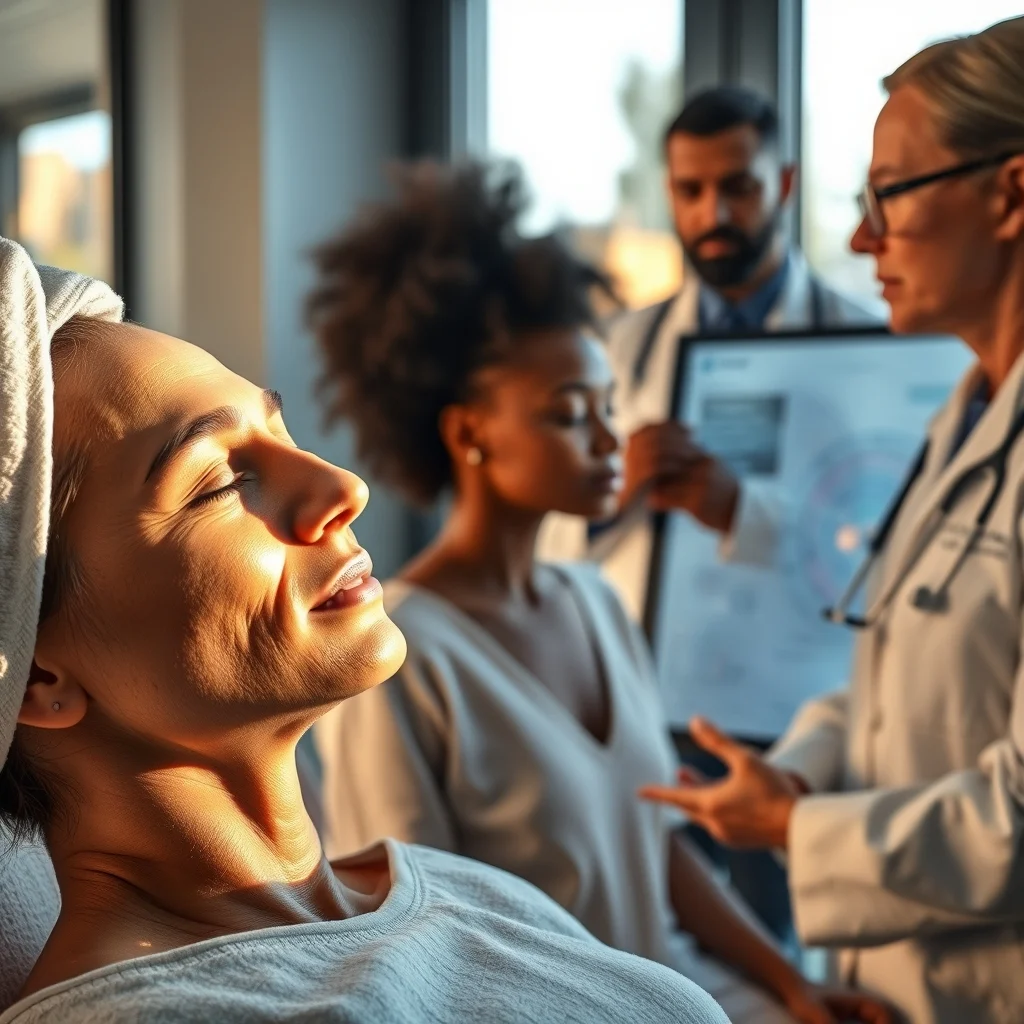
In 2024, dermatologists, psychologists, and skincare researchers are increasingly recognizing the bidirectional relationship between emotional wellness and skin health. This emerging field, known as psychodermatology, examines how stress, anxiety, and mood disorders manifest physically on the skin while also exploring how skin conditions can exacerbate mental health challenges. The phenomenon is not confined to any single demographic; it affects adolescents grappling with acne, adults managing chronic eczema, and older populations dealing with psoriasis or rosacea. The global skincare market, valued at $163.5 billion in 2023, is now pivoting toward products and routines that address this connection, with a 22% increase in consumer demand for neurocosmetics—skincare formulations targeting the brain-skin axis—over the past two years. The implications are far-reaching, influencing clinical practices, product development, and public health policies worldwide.
The Brain-Skin Axis: Defining the Scope and Stakeholders
Psychodermatology is not a new concept. Ancient Greek physicians like Hippocrates documented the link between emotional distress and skin eruptions, while traditional Chinese medicine has long treated skin conditions through holistic approaches addressing both body and mind. However, modern science has only recently begun to unravel the mechanistic pathways underlying this relationship. The brain-skin axis refers to the complex network of nerves, hormones, and immune cells that facilitate communication between the central nervous system and the skin. Key stakeholders in this field include dermatologists, psychiatrists, neuroscientists, skincare brands, and patients themselves, each contributing to a growing body of research and practical applications.
Historically, the formal study of psychodermatology gained traction in the late 20th century. In 1998, the Journal of the American Academy of Dermatology published a seminal paper by Dr. Ted Grossbart, a clinical psychologist, outlining the psychological dimensions of skin disease. This work laid the foundation for subsequent research, including a 2014 study in Clinical, Cosmetic and Investigational Dermatology, which demonstrated that 30-40% of patients visiting dermatologists presented with skin conditions exacerbated by psychological factors. Today, institutions like the Association for Psychocutaneous Medicine of North America (APMNA) and the European Academy of Dermatology and Venereology (EADV) are leading efforts to integrate psychodermatology into mainstream medical practice.
Chronological Evolution of Psychodermatology
The timeline below highlights key milestones in the development of psychodermatology as a recognized discipline:
- 1950s-1960s: Early observations by dermatologists note the correlation between stress and conditions like psoriasis and eczema. Psychoanalytic theories begin to explore the symbolic meaning of skin disorders.
- 1970s: The term “psychodermatology” is coined. Researchers identify the role of neuropeptides—molecules that transmit signals between the nervous system and skin—in inflammatory skin conditions.
- 1990s: Studies confirm the impact of stress hormones like cortisol on skin barrier function. The first psychodermatology clinics open in the U.S. and Europe, offering integrated care for patients.
- 2000s: Advances in neuroimmunology reveal the skin’s role as a neuroendocrine organ. The concept of the brain-skin axis gains scientific credibility.
- 2010s: Clinical trials demonstrate the efficacy of cognitive behavioral therapy (CBT) and mindfulness-based interventions in improving skin conditions. Skincare brands begin incorporating neurocosmetic ingredients like GABA and endorphin-boosting peptides.
- 2020s: The COVID-19 pandemic accelerates research into the impact of prolonged stress on skin health. Teledermatology and digital mental health tools emerge as critical resources for patients managing psychocutaneous disorders.
Mechanisms: How Emotions Alter Skin Physiology
The biological pathways linking emotional wellness and skin health are multifaceted. At the core of this relationship is the hypothalamic-pituitary-adrenal (HPA) axis, which regulates the body’s stress response. When an individual experiences stress, the HPA axis triggers the release of cortisol, a hormone that, in excess, can disrupt the skin’s barrier function, increase inflammation, and impair wound healing. Dr. Richard Fried, a dermatologist and clinical psychologist, explains, “Cortisol doesn’t just exacerbate existing skin conditions—it can trigger new ones. For example, elevated cortisol levels are linked to increased sebum production, which can lead to acne flare-ups.”
Beyond cortisol, other stress-related hormones and neurotransmitters play a role. Adrenaline, for instance, can cause vasoconstriction, reducing blood flow to the skin and depriving it of essential nutrients. Meanwhile, substance P, a neuropeptide released during stress, has been shown to induce itching and inflammation in conditions like atopic dermatitis. The skin’s microbiome, a community of microorganisms that maintain skin health, is also sensitive to emotional states. A 2022 study in Nature Microbiology found that stress disrupts the balance of skin bacteria, leading to dysbiosis and increased susceptibility to infections.
Conversely, skin conditions can perpetuate emotional distress, creating a vicious cycle. Chronic itching, visible rashes, or acne can lead to social anxiety, depression, and low self-esteem. A 2021 survey by the National Rosacea Society found that 90% of rosacea patients reported experiencing emotional distress due to their condition, with 41% avoiding social interactions altogether. This feedback loop underscores the need for integrated treatment approaches that address both physical and psychological symptoms.
Quantitative Insights: Data on the Emotional-Skin Connection
Empirical data provides compelling evidence of the emotional-skin connection. The table below summarizes key findings from recent studies:
| Study | Finding | Sample Size | Year |
|---|---|---|---|
| Journal of Investigative Dermatology | Patients with depression are 1.5 times more likely to develop psoriasis. | 12,382 | 2020 |
| JAMA Dermatology | Mindfulness-based stress reduction (MBSR) reduced acne severity by 32% over 12 weeks. | 150 | 2021 |
| British Journal of Dermatology | 70% of patients with atopic dermatitis reported sleep disturbances due to itching, exacerbating stress. | 500 | 2022 |
| Dermatologic Therapy | Topical neurocosmetic products containing GABA reduced cortisol-induced skin inflammation by 25%. | 80 | 2023 |
These statistics highlight the tangible impact of emotional wellness on skin health. For example, the 32% reduction in acne severity through MBSR suggests that non-pharmacological interventions can be as effective as traditional treatments. Similarly, the correlation between depression and psoriasis underscores the need for mental health screenings in dermatological care.
Systemic Impacts: From Clinical Practice to Public Health
The integration of psychodermatology into clinical practice is transforming how skin conditions are diagnosed and treated. Dermatologists are increasingly collaborating with mental health professionals to offer multidisciplinary care. Dr. Amy Wechsler, a dual-board-certified dermatologist and psychiatrist, notes, “The future of dermatology lies in recognizing that skin is not just an organ of appearance but a reflection of internal well-being. Patients benefit most when we address both the physical and emotional aspects of their condition.”
Public health initiatives are also beginning to reflect this shift. In 2023, the World Health Organization (WHO) included psychodermatology in its global mental health action plan, emphasizing the need for holistic approaches to skin disease. Educational campaigns, such as the American Academy of Dermatology’s “Skin and Mind” initiative, aim to raise awareness about the emotional toll of skin conditions and reduce stigma. Meanwhile, insurance providers are gradually expanding coverage for integrated care models, though access remains uneven across regions and socioeconomic groups.
Skincare brands are responding to this paradigm shift by developing products that target the brain-skin axis. Neurocosmetics, a category that includes ingredients like endorphin-boosting peptides, adaptogens, and GABA, is projected to grow at a compound annual growth rate (CAGR) of 8.5% through 2030. Brands like La Roche-Posay and Avène have launched product lines specifically designed to soothe stress-induced skin inflammation, while startups like Naked Biome are exploring microbiome-based solutions to restore skin balance.
Stakeholder Perspectives: Diverse Views on the Emotional-Skin Connection
The recognition of psychodermatology has sparked debate among stakeholders, each bringing distinct priorities and concerns to the table.
Dermatologists: While many dermatologists embrace the integration of mental health into their practice, some express skepticism about the practicality of addressing emotional wellness in time-constrained clinical visits. Dr. Jennifer Holman, a dermatologist and member of the American Academy of Dermatology, states, “We need more training and resources to effectively screen for psychological factors. Without standardized protocols, it’s challenging to incorporate this into routine care.”
Psychologists and Psychiatrists: Mental health professionals advocate for greater collaboration with dermatologists but caution against oversimplifying the emotional-skin connection. Dr. Madhulika Guhathakurta, a clinical psychologist specializing in psychodermatology, emphasizes, “Skin conditions are not just a symptom of stress—they can also be a cause. We must avoid blaming patients for their conditions and instead focus on empowering them with coping strategies.”
Patients: For individuals living with chronic skin conditions, the validation of the emotional-skin connection is a double-edged sword. On one hand, it reduces stigma and encourages holistic treatment. On the other, it can feel overwhelming to manage both physical and emotional symptoms. A 2023 survey by the National Eczema Association found that 65% of patients felt relieved to learn about the brain-skin axis, while 20% reported feeling “burdened” by the additional responsibility of managing their mental health.
Skincare Industry: The beauty and wellness industry sees psychodermatology as a lucrative opportunity but faces scrutiny over marketing claims. Dr. Joshua Zeichner, director of cosmetic and clinical research in dermatology at Mount Sinai Hospital, warns, “While neurocosmetics hold promise, we need more clinical data to support their efficacy. Consumers should approach these products with a critical eye.”
Regulatory bodies, such as the U.S. Food and Drug Administration (FDA) and the European Medicines Agency (EMA), are beginning to evaluate the safety and efficacy of neurocosmetic ingredients. However, the lack of standardized regulations poses challenges for both manufacturers and consumers. In 2024, the FDA announced plans to review the use of adaptogens and other stress-modulating ingredients in skincare, signaling a potential shift toward greater oversight.
The intersection of emotional wellness and skin health is reshaping how society understands and treats dermatological conditions. As research advances, the integration of psychodermatology into clinical practice and public health initiatives will likely expand, offering new avenues for treatment and prevention. However, the pace of progress will depend on addressing systemic barriers, including access to care, regulatory clarity, and the need for further empirical validation. The dialogue between mind and skin is no longer hidden—it is a conversation that demands attention, resources, and collaboration across disciplines.
You may also like
-
The Comprehensive Guide to Psychodermatology: How Emotional Wellness and Skin Health Converge in Modern Science
-
The Comprehensive Framework of a Mind Body Skin Connection: A Data-Backed Exploration of Holistic Wellness and Modern Skincare Integration
-
The Science and Soul of a Spiritual Skincare Routine: A Multidimensional Exploration of Wellness, Ritual, and Empirical Validation
-
Sustainable Fashion: What It Is and Why It Matters in 2024
-
The Anatomy of Mindful Complexion Care: A Multidimensional Analysis of Ritualistic Skincare Practices