Struggling with flaky, tight, or easily irritated skin? You’re not alone—dry and sensitive skin can feel like a constant battle, especially when even the gentlest products seem to trigger redness or discomfort. The good news? Small, intentional lifestyle habits for better skin can make a world of difference, particularly when you focus on strengthening your skin’s natural barrier. This isn’t about quick fixes or harsh treatments; it’s about creating a routine that nurtures your skin’s resilience from the inside out.
Understand Your Skin’s Barrier
The skin barrier is your body’s first line of defense against environmental stressors like pollution, cold air, and even water. For those with dry or sensitive skin, this barrier is often compromised, leading to moisture loss and increased sensitivity. Think of it like a brick wall—when the mortar (natural lipids) weakens, the bricks (skin cells) start to crumble. A barrier-first approach means prioritizing habits that repair and protect this critical layer.
Start by simplifying your skincare routine. Overloading your skin with too many products, especially those with strong actives like retinoids or exfoliants, can strip away natural oils and worsen dryness. Instead, opt for gentle, fragrance-free cleansers and moisturizers that contain ceramides, cholesterol, and fatty acids—ingredients that mimic your skin’s natural lipids and help restore its barrier.
Hydrate Beyond Your Skincare
While drinking water is essential for overall health, it’s not a magic solution for dry skin. However, pairing hydration with the right lifestyle habits can amplify results. Aim to sip water consistently throughout the day, but also consider adding moisture-rich foods to your diet, like avocados, nuts, and oily fish. These foods contain healthy fats that support skin hydration from within.
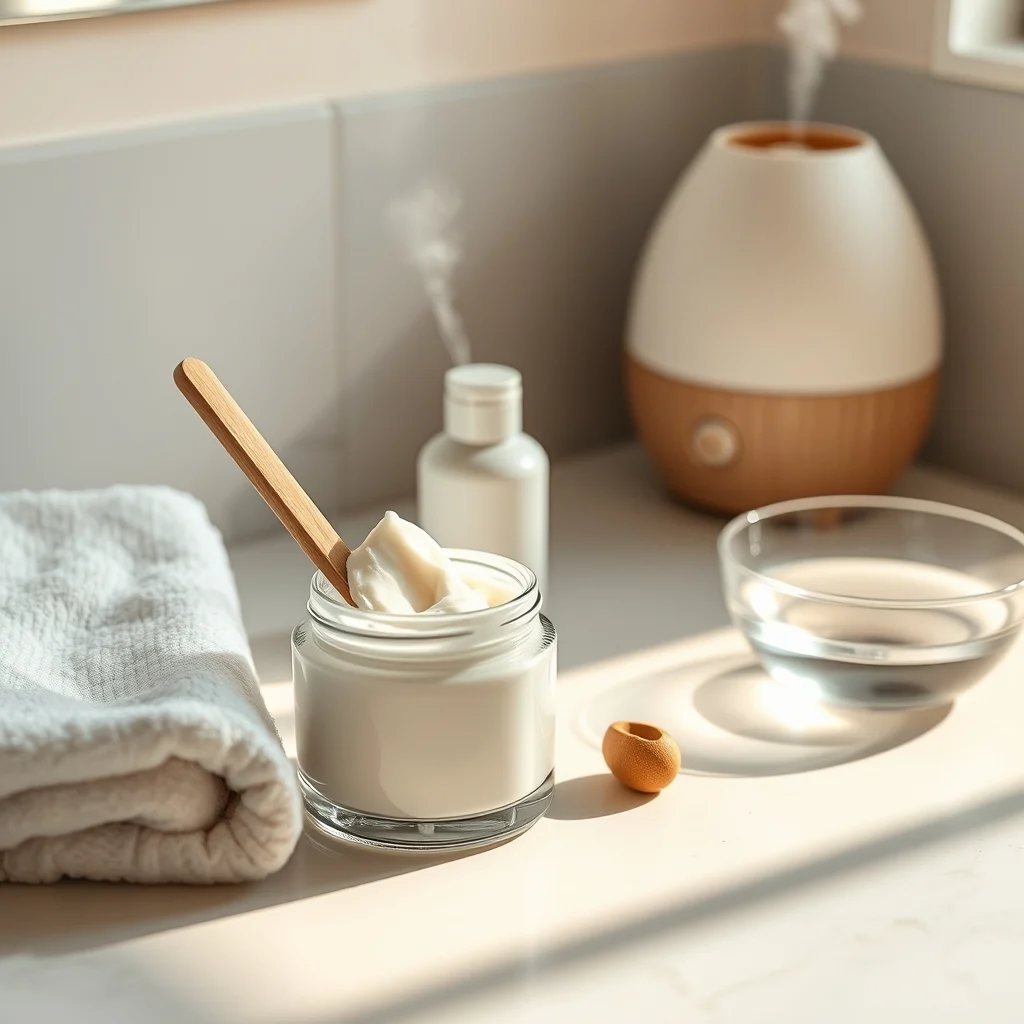
Humidity plays a role too. If you live in a dry climate or spend a lot of time indoors with heating or air conditioning, consider using a humidifier in your bedroom. This small addition can help maintain moisture levels in the air, reducing the likelihood of your skin drying out overnight. Even a bowl of water near a heat source can make a subtle difference.
Rethink Your Shower Habits
Long, hot showers might feel soothing, but they’re one of the biggest culprits for dry, sensitive skin. Hot water strips away natural oils, leaving your skin feeling tight and parched. Instead, opt for lukewarm water and keep your showers short—ideally under 10 minutes. If you love a steamy shower, try turning the temperature down for the last few minutes to help your skin retain some of its natural moisture.
After showering, pat your skin dry with a soft towel instead of rubbing, which can cause irritation. Apply a thick, emollient moisturizer while your skin is still slightly damp to lock in hydration. Look for products with ingredients like hyaluronic acid, glycerin, or shea butter, which draw moisture into the skin and help it stay there.
Protect Your Skin Daily
Sun protection isn’t just for preventing sunburn—it’s a critical step in maintaining a healthy skin barrier. UV rays can break down collagen and elastin, leading to premature aging and increased sensitivity. Even on cloudy days, UV rays can penetrate the skin, so make sunscreen a non-negotiable part of your routine. Choose a broad-spectrum SPF 30 or higher with physical blockers like zinc oxide or titanium dioxide, which are less likely to irritate sensitive skin.
Don’t forget about other environmental aggressors, like wind and cold air. In the winter, cover your face with a scarf to shield it from harsh winds, and in the summer, seek shade whenever possible. If you’re spending time outdoors, reapply sunscreen every two hours, especially if you’re sweating or swimming.
Prioritize Sleep and Stress Management
Your skin repairs itself while you sleep, making quality rest a cornerstone of any lifestyle habits for better skin routine. Aim for 7-9 hours of sleep per night, and consider using a silk or satin pillowcase, which creates less friction than cotton and can help prevent irritation. If you struggle with sleep, try establishing a relaxing bedtime routine, like reading or meditating, to signal to your body that it’s time to wind down.
Stress is another major trigger for sensitive skin. When you’re stressed, your body releases cortisol, a hormone that can increase inflammation and disrupt your skin’s barrier function. Incorporate stress-reducing activities into your day, such as deep breathing, yoga, or even a short walk outside. These habits won’t just benefit your skin—they’ll improve your overall well-being too.
Choose Your Products Wisely
Not all skincare products are created equal, especially when it comes to dry and sensitive skin. Avoid products with alcohol, fragrances, or harsh sulfates, as these can strip your skin of its natural oils and cause irritation. Instead, look for labels that say “hypoallergenic,” “fragrance-free,” or “for sensitive skin.” Patch-test new products on a small area of your skin before applying them to your face to avoid potential reactions.
When in doubt, less is more. A simple routine with a gentle cleanser, a hydrating serum, and a barrier-repairing moisturizer can be more effective than a 10-step regimen. If you’re unsure where to start, consult resources from trusted organizations like the American Academy of Dermatology for guidance on ingredients and routines tailored to sensitive skin.
Your skin’s health is a reflection of your daily habits, and small changes can lead to big improvements over time. Start by focusing on one or two of these tips—perhaps adjusting your shower temperature or adding a humidifier to your bedroom—and notice how your skin responds. With consistency, you’ll build a routine that not only strengthens your skin’s barrier but also leaves it looking and feeling its best. The key is patience and kindness to yourself, because healthy skin isn’t about perfection—it’s about progress.
You may also like
-
Lifestyle Habits for Better Skin: A Beginner’s Step-by-Step Guide to Glowing Skin
-
Lifestyle Habits for Better Skin: Quick Tips for Busy People Who Want Glowing Skin
-
Lifestyle Habits for Better Skin: A Barrier-First, Skinimalism Approach
-
Lifestyle Habits for Better Skin: Quick Tips for Busy People
-
Lifestyle Habits for Better Skin: Quick Tips for Busy People Who Want Glowing Skin