Imagine waking up to a complexion that feels supple, looks even-toned, and requires minimal effort to maintain. What if achieving this wasn’t about overhauling your routine but instead simplifying it? The key to healthier skin often lies in adopting a barrier-first, skinimalism approach—focusing on what truly nourishes your skin while cutting out unnecessary steps that can disrupt its natural balance.
Many of us chase the latest skincare trends, only to end up with irritated skin or breakouts. The truth is, better skin starts with intentional habits that respect your skin’s natural barrier. Whether you’re new to skincare or looking to refine your routine, these practical steps will help you build a foundation for a healthier, more resilient complexion without overcomplicating things.
The American Academy of Dermatology emphasizes that healthy skin begins with a strong skin barrier, which acts as a protective layer against environmental stressors. By prioritizing simplicity and effectiveness, you can achieve long-lasting results without overwhelming your skin—or your schedule.
Understanding the Skin Barrier: Your First Line of Defense
Your skin barrier is a delicate yet powerful system that keeps moisture in and irritants out. When it’s compromised—whether from harsh products, excessive cleansing, or environmental damage—your skin becomes more prone to dryness, redness, and breakouts. A barrier-first approach means focusing on products and habits that strengthen and protect this layer rather than stripping it away.
Start by identifying your skin’s unique needs. If your skin feels tight, reacts to ingredients, or appears dull, it’s likely signaling that your barrier is weakened. Instead of layering on heavy creams or aggressive treatments, opt for gentle, hydrating formulas that support repair. Think of it as building a sturdy wall—you wouldn’t add bricks without first ensuring the foundation is solid.
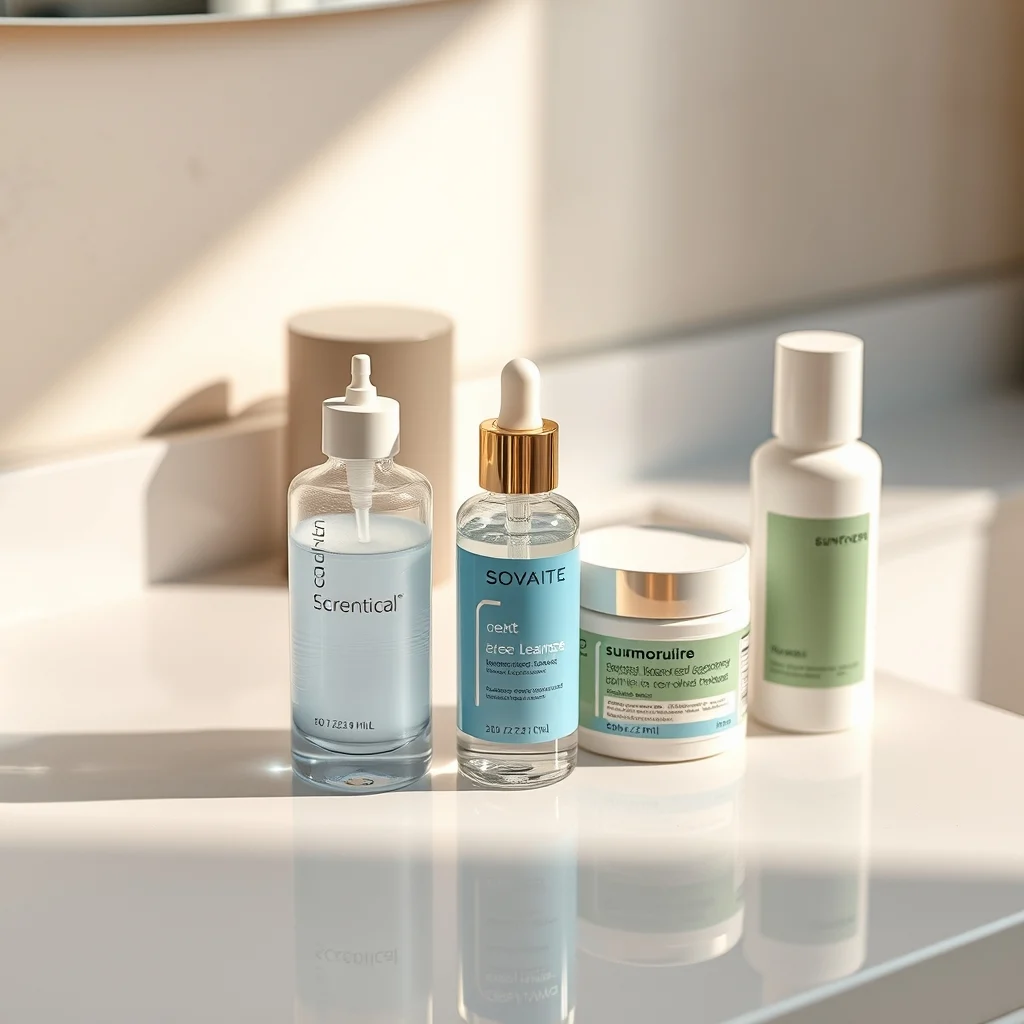
One of the simplest ways to support your skin barrier is by using a moisturizer with ceramides or hyaluronic acid. These ingredients help restore the skin’s natural lipids, locking in hydration and reducing sensitivity. Pair this with a mild, fragrance-free cleanser to avoid disrupting the barrier further.
Embracing Skinimalism: Less Is Often More
Skinimalism isn’t about neglecting your skin—it’s about being intentional with what you apply. The philosophy encourages using fewer, high-quality products that deliver real results rather than cluttering your routine with unnecessary steps. This approach is especially beneficial for those with sensitive or reactive skin, as it minimizes the risk of irritation.
Begin by streamlining your routine to the essentials: a gentle cleanser, a lightweight moisturizer, and—if needed—a targeted treatment for specific concerns like acne or hyperpigmentation. Skip the temptation to layer on serums or essences unless they’re absolutely necessary. Overloading your skin can lead to clogged pores, breakouts, or even accelerated aging.
For example, if you’re dealing with occasional breakouts, a simple routine might include a salicylic acid cleanser (2–3 times a week) followed by a hyaluronic acid serum and a non-comedogenic moisturizer. This keeps your skin clear without overwhelming it. The goal is to create a routine that feels sustainable and effective, not restrictive.
Hydration: The Unsung Hero of Skin Health
Hydration isn’t just about drinking water—it’s also about how you care for your skin topically. Dehydrated skin often appears dull, tight, or flaky, which can make it look dry even if it’s not. The key to hydration is balancing moisture with emollients that seal it in. Look for products with ingredients like glycerin, squalane, or shea butter to help your skin retain water.
Start your day with a splash of cool water to wake up your skin and then follow up with a hydrating serum or essence. At night, a richer moisturizer can help repair and replenish while you sleep. Don’t underestimate the power of a humidifier in dry climates—it can add much-needed moisture to the air, which your skin absorbs naturally.
If your skin feels parched, consider adding a hydrating mask once a week. These masks are designed to deeply hydrate without clogging pores, making them a great addition to a minimalist routine. The goal is to keep your skin plump, soft, and resilient from the inside out.
Diet and Lifestyle: Nourishing Skin from Within
What you eat and how you live plays a huge role in the health of your skin. A diet rich in antioxidants, healthy fats, and vitamins can help combat inflammation and promote a glowing complexion. Focus on foods like avocados, nuts, fatty fish, and leafy greens, which are packed with nutrients that support skin repair and hydration.
Lifestyle habits like getting enough sleep, managing stress, and avoiding smoking or excessive alcohol can also make a noticeable difference. Poor sleep disrupts your skin’s natural repair process, while chronic stress can lead to breakouts and uneven texture. Even small changes, like taking short walks outdoors or practicing mindfulness, can improve your skin’s overall appearance.
Additionally, protect your skin from environmental damage by wearing sunscreen daily, even on cloudy days. UV rays accelerate aging and can weaken your skin barrier, so this is a non-negotiable step in any skincare routine. Pair it with a broad-spectrum SPF to ensure you’re shielded from both UVA and UVB rays.
Avoiding Common Pitfalls: What to Skip for Healthier Skin
Not all skincare habits are created equal, and some can actually do more harm than good. One of the biggest mistakes people make is over-exfoliating. While exfoliation can help remove dead skin cells, doing it too often—especially with harsh physical scrubs—can strip your skin of its natural oils and damage the barrier. Stick to gentle chemical exfoliants like lactic acid or mandelic acid 1–2 times a week.
Another common mistake is using products with alcohol or fragrance, which can irritate sensitive skin and trigger breakouts. Always check the ingredient list for potential irritants, and opt for fragrance-free formulas when possible. If you’re unsure about an ingredient, a quick search can help you determine whether it’s suitable for your skin type.
Finally, resist the urge to touch your face throughout the day. Transferring bacteria from your hands to your skin can lead to clogged pores and breakouts. If you need to touch your face, wash your hands first, and avoid resting your chin on your hands while reading or working.
Building a Routine That Works for You
At the end of the day, the best skincare routine is one that fits seamlessly into your life and addresses your skin’s unique needs. Start by identifying what works—and what doesn’t—and adjust accordingly. If a product isn’t improving your skin after a few weeks, it might not be the right fit. Listen to your skin; it’s the best guide to what it needs.
Remember, healthy skin isn’t about perfection—it’s about progress. Small, consistent changes will yield the best results over time. Whether you’re just starting out or refining your routine, focusing on a barrier-first, skinimalism approach will help you achieve a complexion that feels as good as it looks. Your skin will thank you for the care and attention, one intentional step at a time.
You may also like
-
Lifestyle Habits for Better Skin: A Beginner’s Step-by-Step Guide to Glowing Skin
-
Lifestyle Habits for Better Skin: Quick Tips for Busy People Who Want Glowing Skin
-
Lifestyle Habits for Better Skin: Quick Tips for Busy People
-
Lifestyle Habits for Better Skin: Quick Tips for Busy People Who Want Glowing Skin
-
Habits for Glowing Skin: Beginner’s Guide to Lifestyle Changes