
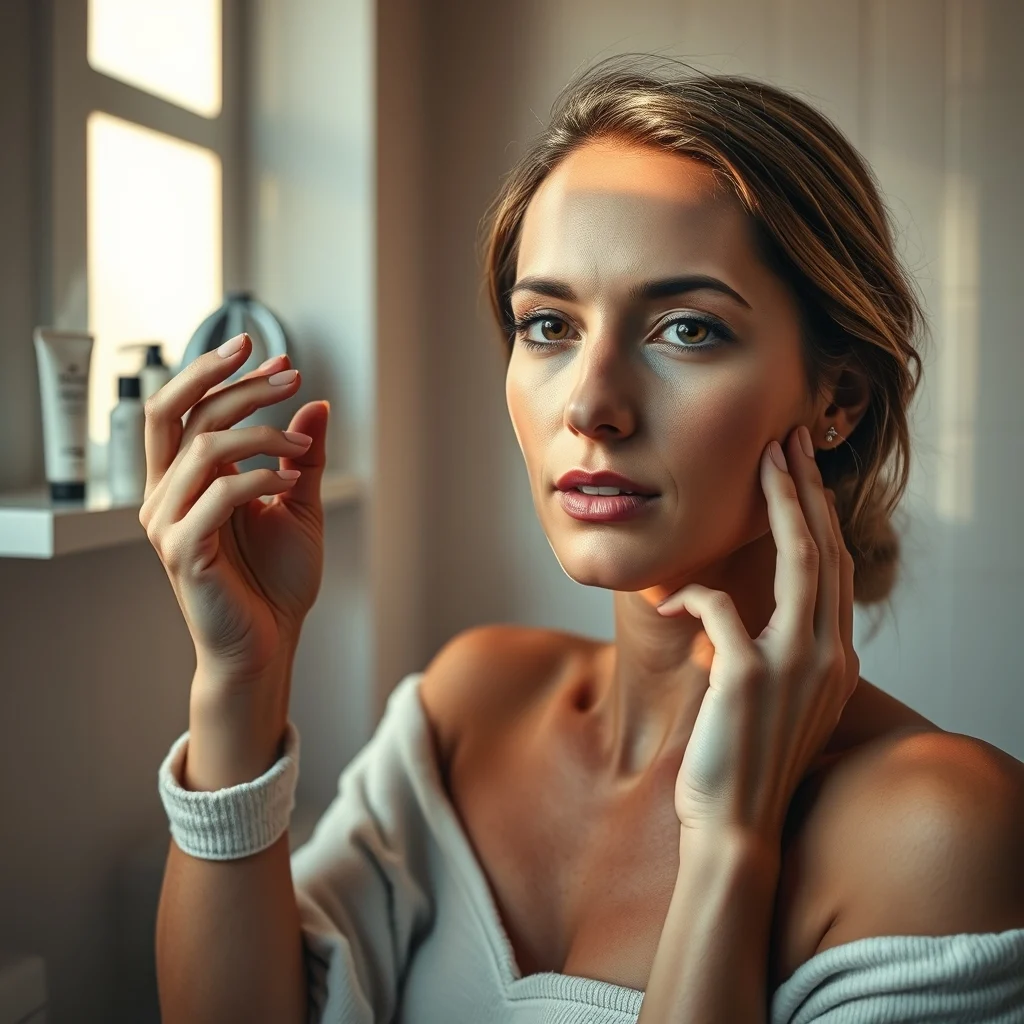
If your skin reacts to everything—from weather changes to new products—you’re not alone. Sensitive skin demands more than just gentle cleansers; it thrives on lifestyle habits for better skin that prioritize protection and balance. The key isn’t just what you put on your skin, but how you support it from within. Small, consistent changes can strengthen your skin’s barrier, reduce redness, and restore comfort without relying on harsh treatments.
Understand Your Skin’s Barrier
Your skin’s barrier is its first line of defense against irritants, pollution, and moisture loss. When it’s compromised, sensitivity flares up, leaving skin dry, tight, or prone to stinging. Think of it like a brick wall—when the mortar weakens, the structure becomes unstable. To reinforce it, focus on habits that minimize disruption, like avoiding over-exfoliation or skipping hot showers, which strip natural oils.
A simple way to test your barrier’s health is to observe how your skin feels after cleansing. If it’s tight or itchy, your routine might be too aggressive. Switching to fragrance-free, pH-balanced products can make a noticeable difference in just a few days.
Hydrate from the Inside Out
Drinking water is often touted as a skincare cure-all, but for sensitive skin, hydration goes beyond the glass. Electrolyte-rich fluids, like coconut water or herbal teas, help maintain moisture balance more effectively than plain water alone. Pair this with foods high in omega-3s, such as chia seeds or walnuts, to reduce inflammation and support lipid production in the skin.
Topically, layering hydrating serums under a ceramide-rich moisturizer locks in water without clogging pores. Look for ingredients like hyaluronic acid or glycerin, which draw moisture into the skin without causing irritation. Avoid heavy creams with fragrances or alcohol, as these can trigger sensitivity.
Simplify Your Routine
Less is more when it comes to sensitive skin. Overloading your skin with too many products can overwhelm its barrier, leading to breakouts or redness. Start with a basic routine: a gentle cleanser, a hydrating serum, and a moisturizer with SPF during the day. At night, swap the SPF for a richer moisturizer to repair while you sleep.
Patch-test new products for at least 48 hours before applying them to your face. Even natural ingredients, like essential oils, can cause reactions. If your skin feels calm and comfortable, you’re on the right track. If not, scale back and reintroduce products one at a time to identify the culprit.
Protect Against Environmental Stressors
Pollution, UV rays, and even blue light from screens can weaken sensitive skin over time. Wearing a broad-spectrum SPF daily is non-negotiable, even on cloudy days. Opt for mineral sunscreens with zinc oxide or titanium dioxide, which are less likely to irritate than chemical filters.
At home, consider using a humidifier to combat dry air, especially in winter. This helps maintain your skin’s moisture levels and prevents flakiness. If you spend a lot of time outdoors, rinse your face with water after exposure to pollutants to remove residue that could clog pores.
Manage Stress for Calmer Skin
Stress doesn’t just affect your mood—it shows up on your skin. Cortisol, the stress hormone, can trigger inflammation, leading to redness or breakouts. Incorporating stress-reducing habits, like deep breathing or short walks, can help keep your skin (and mind) balanced.
Sleep is another critical factor. Aim for 7-9 hours per night to allow your skin to repair itself. If you struggle with sleep, try winding down with a warm (not hot) shower and a lightweight moisturizer to signal to your body that it’s time to rest.
Listen to Your Skin’s Signals
Sensitive skin communicates through tightness, itching, or redness. Pay attention to these cues and adjust your habits accordingly. For example, if your skin feels dry after a workout, rinse with lukewarm water and apply a soothing moisturizer immediately. If it stings after applying a product, remove it gently with a damp cloth and follow up with a barrier-repairing cream.
Remember, consistency is more important than perfection. Small, mindful changes add up over time, leading to stronger, more resilient skin. Start with one or two habits this week, like swapping your cleanser or adding a humidifier to your bedroom, and build from there.
Your skin’s health is a reflection of your daily choices. By focusing on a barrier-first approach, you’re not just addressing sensitivity—you’re creating a foundation for long-term comfort and radiance. The best part? These habits don’t require expensive treatments or complicated routines. They’re simple, sustainable, and designed to work with your skin, not against it. Give them a try, and let your skin thank you.
For more insights on maintaining healthy skin, explore resources from the American Academy of Dermatology.
You may also like
-
Lifestyle Habits for Better Skin: A Beginner’s Step-by-Step Guide to Glowing Skin
-
Lifestyle Habits for Better Skin: Quick Tips for Busy People Who Want Glowing Skin
-
Lifestyle Habits for Better Skin: A Barrier-First, Skinimalism Approach
-
Lifestyle Habits for Better Skin: Quick Tips for Busy People
-
Lifestyle Habits for Better Skin: Quick Tips for Busy People Who Want Glowing Skin