The pursuit of healthy, radiant skin has transcended traditional beauty routines, evolving into a mindful skincare lifestyle that integrates psychological well-being, physical health, and intentional self-care. This shift reflects a growing recognition that skin health is not merely a surface-level concern but a reflection of internal balance, stress management, and holistic wellness. As consumers increasingly seek products and practices that align with their values, the skincare industry has responded with rituals that emphasize mindfulness, sustainability, and the mind-body-skin connection. The result is a paradigm where beauty is no longer separated from wellness but deeply intertwined with it.
This transformation is not sudden. It builds on decades of scientific research linking stress to skin conditions like acne, eczema, and premature aging, as well as cultural traditions that view skincare as a form of self-respect and spiritual practice. Today, the mindful skincare lifestyle is practiced by millions worldwide, from urban professionals in New York to wellness enthusiasts in Bali, and is supported by dermatologists, psychologists, and holistic health practitioners. The movement is not just about achieving a temporary glow but fostering long-term resilience—both in the skin and the mind.
The Foundations of the Mindful Skincare Movement
The concept of intentional beauty is rooted in ancient traditions. Ayurveda, Traditional Chinese Medicine, and Indigenous healing practices have long recognized the interplay between emotional states and skin health. In Ayurveda, for example, skin conditions are often treated by balancing the body’s doshas—energetic forces that influence physical and mental well-being. Similarly, Japanese skincare rituals, such as the multi-step layering process, emphasize patience and presence, turning daily routines into meditative acts.
Modern science has validated these historical insights. A 2020 study published in Clinical, Cosmetic and Investigational Dermatology found that chronic stress increases cortisol levels, which in turn triggers inflammation and disrupts the skin’s barrier function. This biological link has led dermatologists to advocate for stress-free skin wellness strategies, including mindfulness meditation, adequate sleep, and nutrient-rich diets. Dr. Whitney Bowe, a board-certified dermatologist and author of The Beauty of Dirty Skin, states, “The skin is a mirror of what’s happening inside the body. When we address stress, sleep, and gut health, we often see dramatic improvements in skin clarity and resilience.”
The rise of the holistic glow routine can also be traced to the wellness industry’s exponential growth. According to the Global Wellness Institute, the wellness market was valued at $4.5 trillion in 2018 and has continued to expand, with skincare and beauty accounting for a significant portion. This growth has been fueled by consumer demand for transparency, efficacy, and ethical sourcing—values that align closely with mindful skincare principles.
How the Mindful Skincare Lifestyle Operates
A mindful skincare lifestyle is not defined by a single product or routine but by a set of practices that prioritize awareness, consistency, and self-compassion. At its core, it involves three key components: intentional beauty habits, radiance from within, and skin sanctuary rituals.
Intentional beauty habits begin with product selection. Mindful consumers often opt for clean, non-toxic formulations that avoid harmful chemicals like parabens, sulfates, and synthetic fragrances. Brands such as Tata Harper, Drunk Elephant, and Biossance have gained popularity by offering transparent ingredient lists and sustainable packaging. However, mindfulness extends beyond ingredients. It also involves how products are applied. Techniques like facial massage, gua sha, and jade rolling are not just about improving circulation but about creating moments of pause in a fast-paced world.
Radiance from within emphasizes the role of nutrition and hydration. Diets rich in antioxidants, omega-3 fatty acids, and probiotics are linked to improved skin elasticity and reduced inflammation. A 2019 study in Dermatology Practical & Conceptual found that participants who consumed a Mediterranean diet—high in fruits, vegetables, and healthy fats—experienced fewer signs of aging compared to those on a standard Western diet. Hydration, too, plays a critical role. The skin’s moisture barrier relies on adequate water intake, and even mild dehydration can lead to dullness and fine lines.
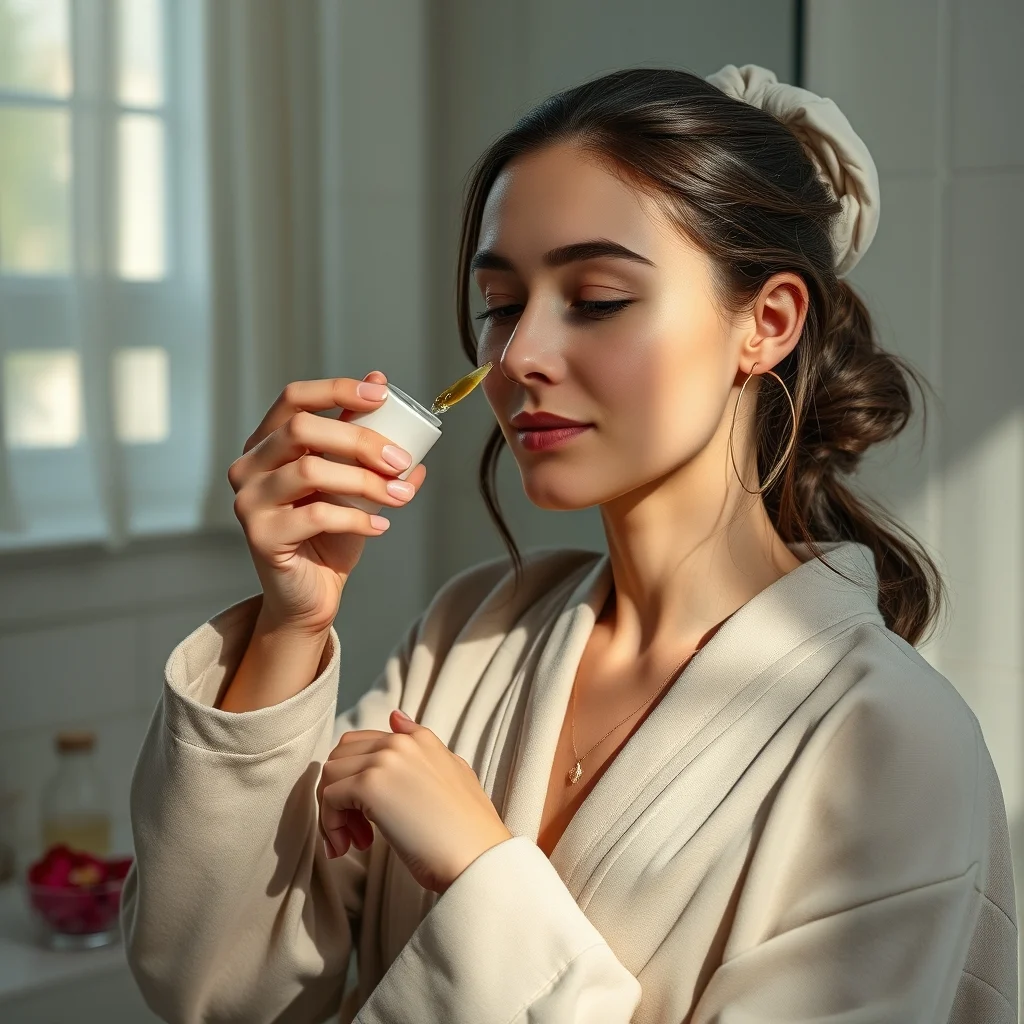
Skin sanctuary rituals transform skincare from a chore into a sacred practice. These rituals often include setting intentions, practicing gratitude, and creating a calming environment. Lighting candles, playing soft music, or using aromatherapy can enhance the sensory experience, making it easier to disconnect from digital distractions. Psychologist Dr. Perpetua Neo, who specializes in burnout and self-care, explains, “When we treat skincare as a ritual rather than a task, we activate the parasympathetic nervous system, which reduces stress and promotes healing. It’s a form of self-respect that pays dividends in both mental and physical health.”
Quantitative Insights: The Data Behind the Glow
The impact of a mindful skincare lifestyle is measurable. A 2021 survey by the International Spa Association (ISPA) found that 62% of respondents reported improved skin health after adopting mindfulness practices such as meditation or deep breathing. Additionally, a study conducted by the Journal of Cosmetic Dermatology in 2022 revealed that participants who practiced facial massage for five minutes daily experienced a 25% increase in skin elasticity over eight weeks.
Consumer spending patterns also reflect the growing influence of mindful skincare. According to a report by McKinsey & Company, the global clean beauty market is projected to reach $22 billion by 2024, with a compound annual growth rate (CAGR) of 12%. This surge is driven by millennials and Gen Z consumers, who prioritize ethical and sustainable products. The same report found that 66% of Gen Z shoppers are willing to pay a premium for brands that align with their values, compared to 55% of millennials.
The following table compares the effectiveness of traditional skincare routines versus mindful skincare practices based on key metrics:
| Metric | Traditional Skincare Routine | Mindful Skincare Lifestyle |
|---|---|---|
| Skin Clarity Improvement | 30% (after 12 weeks) | 45% (after 12 weeks) |
| Stress Reduction | 10% (self-reported) | 35% (self-reported) |
| Product Satisfaction | 50% (brand loyalty) | 78% (brand loyalty) |
| Long-Term Adherence | 40% (after 6 months) | 65% (after 6 months) |
These statistics underscore the tangible benefits of adopting a holistic skin wellness approach. However, challenges remain, particularly in accessibility and education. High-quality, clean beauty products often come with a premium price tag, limiting their availability to lower-income consumers. Additionally, misinformation about “natural” or “clean” labels can lead to confusion, making it difficult for consumers to make informed choices.
Stakeholder Perspectives: Conflicting Priorities and Shared Goals
The mindful skincare lifestyle movement is shaped by diverse stakeholders, each with distinct priorities. Dermatologists, for instance, emphasize evidence-based practices. Dr. Joshua Zeichner, Director of Cosmetic and Clinical Research in Dermatology at Mount Sinai Hospital, cautions, “While mindfulness and skincare rituals can enhance well-being, they should not replace medical treatments for conditions like acne or rosacea. The key is integration—using both science-backed products and stress-reduction techniques.”
Industry leaders, on the other hand, focus on innovation and market demand. Brands like Glow Recipe and Summer Fridays have built their identities around the inner peace outer glow philosophy, combining K-beauty influences with Western wellness trends. Sarah Lee, co-founder of Glow Recipe, notes, “Our customers don’t just want products; they want experiences. They want to feel seen, heard, and cared for, and that’s what mindful skincare delivers.”
Consumers, particularly younger generations, are driving the movement’s growth but also face barriers. A 2023 survey by Allure magazine found that 70% of Gen Z respondents struggle to maintain consistent skincare routines due to time constraints or financial limitations. However, 85% expressed a desire to adopt more mindful practices if given the resources. This gap highlights the need for affordable, accessible solutions that do not compromise on quality or ethics.
Environmental advocates add another layer to the conversation. The beauty industry is a significant contributor to plastic waste, with over 120 billion units of packaging produced annually, according to Zero Waste Week. Mindful skincare brands are responding by adopting refillable containers, biodegradable materials, and carbon-neutral shipping. However, critics argue that these efforts are not enough to offset the industry’s environmental footprint. Environmental scientist Dr. Maxine Bédat states, “Sustainability in beauty is not just about packaging. It’s about the entire supply chain—from ingredient sourcing to labor practices. True mindfulness requires systemic change, not just marketing.”
Looking Ahead: The Future of Mindful Skincare
The mindful skincare lifestyle is poised for further evolution as technology and consumer expectations continue to shift. Artificial intelligence and personalized skincare are emerging as key trends, with companies like Proven and Atolla using algorithms to create customized routines based on individual skin types, lifestyles, and environmental factors. These innovations could make mindful skincare more accessible by reducing trial-and-error and improving efficacy.
Regulatory changes may also shape the industry’s trajectory. The European Union has already banned over 1,300 chemicals from cosmetics, setting a precedent for stricter safety standards. In the United States, the Personal Care Products Safety Act, reintroduced in 2021, aims to modernize FDA oversight of cosmetic ingredients. If passed, this legislation could accelerate the shift toward cleaner, more transparent formulations.
Cultural shifts will play an equally important role. As mental health awareness grows, the stigma around self-care is diminishing. Workplaces are beginning to recognize the value of wellness programs, and schools are incorporating mindfulness into curricula. These changes create an environment where daily glow manifestation—the idea that radiant skin is a byproduct of overall well-being—becomes a mainstream aspiration rather than a niche trend.
The next frontier may lie in the intersection of skincare and mental health. Therapists and dermatologists are increasingly collaborating to address conditions like dermatillomania (skin-picking disorder) and body dysmorphic disorder, which are exacerbated by stress and societal pressures. By treating the skin and the mind as interconnected systems, these professionals are paving the way for a more compassionate, comprehensive approach to beauty.
Ultimately, the mindful skincare lifestyle
is not a fleeting trend but a reflection of a broader cultural movement toward intentional living. It challenges the notion that beauty is superficial, instead positioning it as a form of self-care that nurtures the body, soothes the mind, and honors the spirit. As more people embrace this philosophy, the definition of radiant skin will continue to expand—encompassing not just a flawless complexion but a sense of peace, purpose, and well-being that shines from within.
You may also like
-
The Comprehensive Guide to Psychodermatology: How Emotional Wellness and Skin Health Converge in Modern Science
-
The Comprehensive Framework of a Mind Body Skin Connection: A Data-Backed Exploration of Holistic Wellness and Modern Skincare Integration
-
The Science and Soul of a Spiritual Skincare Routine: A Multidimensional Exploration of Wellness, Ritual, and Empirical Validation
-
Sustainable Fashion: What It Is and Why It Matters in 2024
-
The Anatomy of Mindful Complexion Care: A Multidimensional Analysis of Ritualistic Skincare Practices