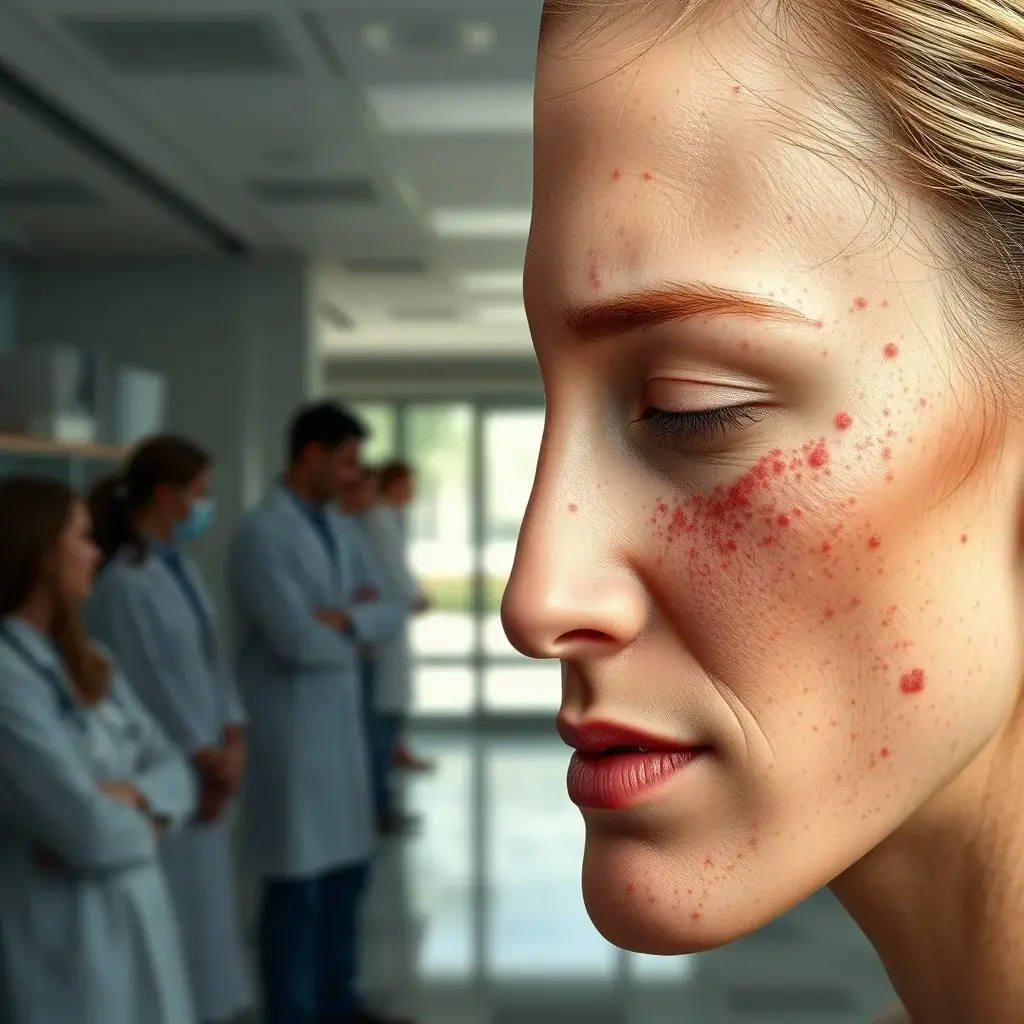
In recent years, the intersection of dermatology and psychology has emerged as a critical frontier in both medical research and skincare innovation. Psychodermatology, a discipline that examines the bidirectional relationship between emotional wellness and skin health, has gained traction as studies reveal how stress, mood fluctuations, and mental health conditions manifest physically on the skin. This phenomenon is not confined to a single demographic; it affects individuals across age groups, genders, and geographic regions, with implications for clinical treatment, consumer skincare routines, and public health policies. The surge in interest coincides with rising global stress levels, reported by the World Health Organization (WHO) to affect over 30% of the population in high-income countries as of 2023, and the growing consumer demand for holistic wellness solutions. Understanding this connection requires examining the biological mechanisms, historical context, and practical applications that define the field today.
The scope of psychodermatology extends beyond anecdotal observations of stress-induced breakouts or anxiety-related eczema. It encompasses a complex network of neuroendocrine pathways, immune responses, and behavioral patterns that link the central nervous system to the skin. Historical records trace early recognition of this connection to ancient Greek and Chinese medicine, where emotional states were believed to influence physical health. However, modern psychodermatology began taking shape in the late 20th century, as dermatologists and psychologists collaborated to study conditions like psoriasis, acne, and rosacea, which often flare in response to emotional distress. Primary stakeholders in this field include dermatologists, psychologists, skincare brands, pharmaceutical companies, and patients who experience stress-related skin conditions. Their perspectives vary, with clinicians advocating for integrated treatment approaches, while industry players develop products targeting the brain-skin axis.
The Evolution of Psychodermatology: A Chronological Overview
The formal study of psychodermatology can be divided into distinct phases, each marked by key discoveries and shifts in medical paradigms. Below is a timeline of significant milestones:
- Pre-1900s: Ancient medical traditions, including Ayurveda and Traditional Chinese Medicine (TCM), documented the impact of emotional states on skin health. Hippocrates, the father of Western medicine, noted that “the skin is a mirror of the soul.”
- 1930s-1950s: Early psychiatric studies explored the psychosomatic origins of skin conditions. In 1933, dermatologist Franz Alexander proposed that emotional conflicts could trigger physical symptoms, including dermatological issues.
- 1980s: The term “psychodermatology” was coined, and the first dedicated clinics emerged. Researchers began isolating stress hormones like cortisol and their effects on skin barrier function.
- 2000s: Advances in neuroimmunology revealed the brain-skin axis, a communication network involving neurotransmitters, hormones, and immune cells. Studies published in Journal of Investigative Dermatology demonstrated how stress exacerbates inflammatory skin conditions.
- 2010s-Present: The rise of neurocosmetics, a category of skincare products designed to target the brain-skin connection, has expanded the market. Clinical trials, such as those conducted by the American Academy of Dermatology (AAD), confirm the efficacy of stress-reduction techniques in managing chronic skin conditions.
Mechanisms of the Brain-Skin Axis: How Emotions Alter Skin Health
The biological pathways linking emotional wellness to skin health are multifaceted. At the core of this relationship is the hypothalamic-pituitary-adrenal (HPA) axis, which regulates the body’s stress response. When an individual experiences stress, the HPA axis triggers the release of cortisol, a hormone that, in elevated levels, disrupts skin barrier integrity, increases inflammation, and impairs wound healing. A 2022 study published in Nature Reviews Immunology found that chronic stress elevates cortisol levels by up to 23% in individuals with inflammatory skin conditions, compared to controls.
Beyond cortisol, neurotransmitters like substance P and nerve growth factor (NGF) play pivotal roles. Substance P, released during stress, binds to receptors on skin cells, triggering inflammation and itching. NGF, meanwhile, promotes the growth of nerve fibers in the skin, heightening sensitivity and pain perception. These mechanisms explain why conditions like atopic dermatitis and psoriasis often worsen during periods of emotional distress.
Dr. Richard Fried, a dermatologist and clinical psychologist, explains the clinical implications: “We now understand that the skin is not just a passive barrier but an active neuroimmunoendocrine organ. When patients present with stress-related flare-ups, addressing the psychological component is as critical as prescribing topical treatments.”
Quantitative Insights: Data on Stress and Skin Health
Empirical data underscores the prevalence and impact of stress-related skin conditions. The following table summarizes key findings from recent studies:
| Condition | Stress Correlation | Study Source | Key Finding |
|---|---|---|---|
| Acne | 71% of cases linked to stress | National Institutes of Health (NIH), 2017 | Patients with high perceived stress were 2.8 times more likely to experience acne flare-ups. |
| Psoriasis | 68% of patients report stress as a trigger | National Psoriasis Foundation, 2021 | Stress management interventions reduced flare-ups by 40% in a 12-week trial. |
| Eczema | 80% of pediatric cases exacerbated by stress | Journal of Allergy and Clinical Immunology, 2020 | Children with high cortisol levels had 3.2 times more severe eczema symptoms. |
| Rosacea | 52% of patients cite stress as a primary trigger | American Academy of Dermatology, 2023 | Cognitive behavioral therapy (CBT) reduced rosacea severity by 35% in clinical trials. |
These statistics highlight the need for integrated treatment models that address both the physiological and psychological aspects of skin health. However, challenges remain in standardizing psychodermatological care, particularly in regions with limited access to mental health resources.
Systemic Impacts: From Clinical Practice to Consumer Behavior
The implications of psychodermatology extend beyond individual patient care. In clinical settings, dermatologists increasingly collaborate with psychologists to develop multidisciplinary treatment plans. For example, the Association for Psychocutaneous Medicine of North America (APMNA) advocates for routine mental health screenings in dermatology clinics, citing evidence that 30-60% of dermatology patients have underlying psychological comorbidities.
In the consumer market, the demand for neurocosmetics has surged, with the global market projected to reach $12.5 billion by 2027, according to a report by Grand View Research. Brands like La Roche-Posay and Avène have launched product lines infused with neurosensory ingredients, such as niacinamide and prebiotics, designed to soothe the nervous system and strengthen the skin barrier. However, industry experts caution against overpromising results.
Dr. Amy Wechsler, a dual-board-certified dermatologist and psychiatrist, notes: “While neurocosmetics offer promising adjunctive benefits, they are not a substitute for evidence-based treatments. Consumers should approach these products with realistic expectations and prioritize holistic wellness practices.”
Stakeholder Perspectives: Conflicts and Consensus
The field of psychodermatology is shaped by diverse, and sometimes conflicting, stakeholder perspectives. Dermatologists emphasize the need for more rigorous clinical trials to validate the efficacy of integrated treatments. Psychologists advocate for greater awareness of skin-related mental health issues, such as body dysmorphic disorder (BDD), which affects up to 2.4% of the population and often co-occurs with dermatological conditions.
Patients, meanwhile, express frustration with the lack of accessible care. A 2023 survey by the International Society of Psychodermatology found that 65% of respondents had never discussed the emotional impact of their skin condition with a healthcare provider, often due to stigma or lack of provider awareness. Advocacy groups, such as the National Eczema Association, are pushing for policy changes to improve insurance coverage for psychodermatological treatments.
Industry stakeholders, including skincare brands and pharmaceutical companies, are investing in research to develop targeted therapies. For instance, AbbVie’s recent acquisition of a neurocosmetic startup underscores the commercial potential of this market. However, critics argue that commercialization risks prioritizing profit over patient outcomes, particularly in the absence of standardized regulations.
As research continues to unravel the complexities of the brain-skin axis, the field faces several pending variables. Upcoming regulatory milestones, such as the U.S. Food and Drug Administration’s (FDA) review of neurocosmetic claims, will shape the future of product development. Additionally, ongoing clinical trials exploring the use of psychedelics in treating stress-related skin conditions could redefine treatment paradigms. The integration of artificial intelligence in dermatology, with tools designed to predict flare-ups based on stress biomarkers, also holds promise. Yet, the success of these innovations hinges on addressing systemic barriers, including healthcare disparities and the need for interdisciplinary collaboration. The convergence of emotional wellness and skin health is not merely a trend but a fundamental shift in how we understand and treat dermatological conditions, one that demands both scientific rigor and compassionate care.
You may also like
-
The Comprehensive Framework of a Mind Body Skin Connection: A Data-Backed Exploration of Holistic Wellness and Modern Skincare Integration
-
The Science and Soul of a Spiritual Skincare Routine: A Multidimensional Exploration of Wellness, Ritual, and Empirical Validation
-
Sustainable Fashion: What It Is and Why It Matters in 2024
-
The Anatomy of Mindful Complexion Care: A Multidimensional Analysis of Ritualistic Skincare Practices
-
The Intersection of Ritual, Wellness, and Science: A 360-Degree Analysis of the Manifest Skin Ritual Movement