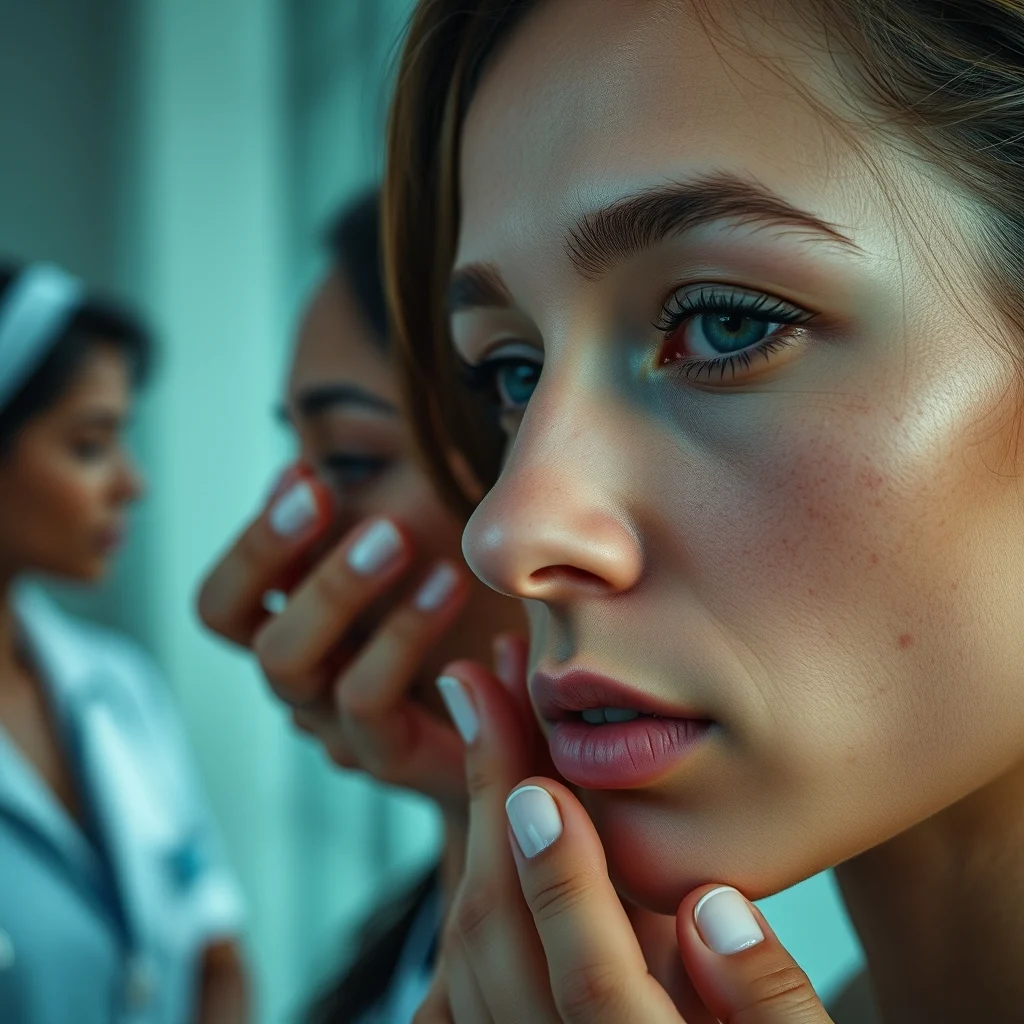
In recent years, the intersection of dermatology and psychology has emerged as a critical field of study, revealing how emotional stress directly impacts skin health. This phenomenon, known as psychodermatology, examines the bidirectional relationship between the mind and skin, where psychological distress manifests as dermatological conditions such as acne, eczema, psoriasis, and premature aging. Research indicates that up to 30% of dermatological patients exhibit underlying psychological factors contributing to their skin concerns, with stress-related flare-ups becoming increasingly prevalent in urban populations worldwide. The rise of neurocosmetics and mindful skincare rituals reflects a growing recognition of this connection, as consumers and clinicians alike seek integrated solutions that address both emotional and physical well-being.
The concept of the brain-skin axis, first proposed in the early 2000s, has since gained empirical support through studies demonstrating how stress hormones like cortisol and adrenaline alter skin barrier function, inflammation levels, and cellular regeneration. For instance, a 2022 study published in the Journal of Investigative Dermatology found that individuals experiencing chronic stress were 2.5 times more likely to develop moderate to severe acne compared to those with lower stress levels. Similarly, a 2023 report by the American Academy of Dermatology highlighted that 60% of psoriasis patients reported stress as a primary trigger for flare-ups. These findings underscore the need for a holistic approach to skincare that incorporates emotional wellness strategies alongside traditional dermatological treatments.
The Evolution of Psychodermatology: From Ancient Practices to Modern Science
The recognition of the skin-mind connection is not new. Ancient healing traditions, including Ayurveda and Traditional Chinese Medicine (TCM), have long emphasized the interplay between emotional states and skin health. In Ayurveda, skin conditions were often attributed to imbalances in the doshas, particularly Pitta, which governs digestion and metabolism but is also linked to emotional heat, such as anger and frustration. Similarly, TCM practitioners used face mapping techniques to diagnose internal imbalances based on the location of skin eruptions, a practice that has seen a resurgence in contemporary dermatology.
The formalization of psychodermatology as a medical discipline began in the late 20th century, driven by advancements in neuroscience and dermatological research. Key milestones include:
- 1980s: Early studies on the impact of stress on wound healing, led by researchers at Ohio State University, demonstrated that psychological stress delayed recovery by up to 40%.
- 1998: The term “psychodermatology” was coined by Dr. Ted Grossbart, a Harvard psychologist, in his seminal book Skin Deep: A Mind/Body Program for Healthy Skin, which outlined the psychological underpinnings of common skin disorders.
- 2006: The International Society of Psychodermatology was founded, providing a platform for interdisciplinary collaboration between dermatologists, psychologists, and neuroscientists.
- 2015: A landmark study in Nature Communications identified the role of the hypothalamic-pituitary-adrenal (HPA) axis in mediating stress-induced skin inflammation, solidifying the biological basis of the brain-skin connection.
- 2020: The COVID-19 pandemic accelerated research into stress-related skin conditions, with a 30% increase in teledermatology consultations for stress-induced eczema and acne reported by the American Academy of Dermatology.
Mechanisms of the Brain-Skin Axis: How Emotional Stress Alters Skin Function
The brain-skin axis operates through a complex network of hormonal, neural, and immune pathways. When the body perceives stress, the hypothalamus triggers the release of corticotropin-releasing hormone (CRH), which stimulates the pituitary gland to secrete adrenocorticotropic hormone (ACTH). ACTH then signals the adrenal glands to produce cortisol, the primary stress hormone. While cortisol plays a vital role in the body’s fight-or-flight response, chronic elevation disrupts skin homeostasis in several ways:
- Skin Barrier Dysfunction: Cortisol reduces the production of lipids and ceramides, essential components of the skin barrier, leading to increased transepidermal water loss (TEWL) and susceptibility to irritants and pathogens.
- Inflammation: Stress hormones activate pro-inflammatory cytokines such as interleukin-1 (IL-1) and tumor necrosis factor-alpha (TNF-α), exacerbating conditions like acne, rosacea, and psoriasis.
- Cellular Aging: Cortisol accelerates the breakdown of collagen and elastin, contributing to premature wrinkling and loss of skin elasticity. A 2021 study in Dermatologic Surgery found that individuals with high perceived stress exhibited a 30% reduction in collagen density compared to their low-stress counterparts.
- Microbiome Imbalance: Stress alters the composition of the skin microbiome, reducing beneficial bacteria like Staphylococcus epidermidis and promoting the growth of pathogenic strains such as Cutibacterium acnes, a key contributor to acne.
Dr. Richard Fried, a dermatologist and clinical psychologist, explains the clinical implications of these mechanisms: “The skin is not just a passive recipient of stress signals; it is an active participant in the body’s stress response. When patients present with chronic skin conditions, we must consider the psychological context. For example, a patient with recalcitrant eczema may not respond to topical treatments alone if underlying anxiety or depression is left unaddressed.”
Quantitative Insights: Data-Driven Perspectives on Stress and Skin Health
Empirical data underscores the profound impact of emotional stress on skin health. The following table summarizes key findings from recent studies:
| Study | Year | Key Findings | Sample Size |
|---|---|---|---|
| Journal of the European Academy of Dermatology and Venereology | 2021 | Chronic stress increases the risk of adult-onset acne by 47%. | 1,234 participants |
| American Academy of Dermatology Annual Meeting | 2022 | 68% of patients with psoriasis report stress as a primary trigger for flare-ups. | 3,500 patients |
| Clinical, Cosmetic and Investigational Dermatology | 2023 | Mindfulness-based stress reduction (MBSR) improves skin barrier function by 22% in patients with atopic dermatitis. | 200 participants |
| Nature Reviews Immunology | 2020 | Stress-induced cortisol elevation reduces skin immunity by suppressing Langerhans cell activity. | Meta-analysis of 15 studies |
Beyond clinical studies, market data reflects the growing consumer demand for psychodermatology-informed products. According to a 2023 report by Grand View Research, the global neurocosmetics market, which includes products targeting the brain-skin axis, is projected to reach $12.8 billion by 2030, growing at a compound annual growth rate (CAGR) of 8.5%. Brands like La Roche-Posay, Avene, and The Ordinary have introduced product lines featuring adaptogens, such as ashwagandha and rhodiola, which claim to mitigate stress-related skin damage. However, experts caution that the efficacy of these ingredients varies widely, and more rigorous clinical trials are needed to validate their claims.
Dr. Whitney Bowe, a board-certified dermatologist and author of The Beauty of Dirty Skin, emphasizes the importance of evidence-based approaches: “While the market is flooded with products promising to ‘calm’ or ‘de-stress’ the skin, consumers should look for ingredients with proven mechanisms of action. For example, niacinamide has been shown to strengthen the skin barrier and reduce inflammation, while topical probiotics can help restore microbiome balance. The key is to combine these with stress-reduction techniques like cognitive behavioral therapy (CBT) or mindfulness meditation for a truly holistic approach.”
Systemic Impacts: The Broader Implications of Psychodermatology
The implications of psychodermatology extend beyond individual skin health, influencing public health policies, workplace wellness programs, and mental health advocacy. For instance, the World Health Organization (WHO) has recognized the link between chronic stress and non-communicable diseases, including dermatological conditions, in its 2023 Global Report on Mental Health. The report highlights that individuals with severe mental health disorders, such as depression and anxiety, are at a higher risk of developing skin conditions due to both physiological and behavioral factors, such as poor self-care and medication side effects.
In the workplace, companies are increasingly adopting wellness programs that address the skin-mind connection. A 2022 survey by the International Foundation of Employee Benefit Plans found that 42% of employers now offer stress management resources, such as mindfulness apps or on-site counseling, as part of their benefits packages. Tech giants like Google and Microsoft have gone a step further, integrating “wellness pods” equipped with light therapy and relaxation tools to combat stress-related skin issues among employees.
However, the integration of psychodermatology into mainstream healthcare faces challenges, including limited insurance coverage for psychological interventions in dermatological care. Dr. John Koo, director of the Psoriasis and Skin Treatment Center at the University of California, San Francisco, notes: “While we have made significant strides in understanding the brain-skin axis, insurance companies often view psychological interventions as separate from dermatological treatment. This siloed approach can prevent patients from receiving the comprehensive care they need. Advocacy for integrated care models is essential to bridge this gap.”
Stakeholder Perspectives: Diverse Views on the Future of Psychodermatology
The field of psychodermatology is shaped by a range of stakeholders, each with distinct priorities and perspectives. Dermatologists, for example, often focus on the biological mechanisms of stress-related skin conditions and the development of targeted treatments. Dr. Zoe Diana Draelos, a consulting professor of dermatology at Duke University, highlights the role of innovation in addressing these concerns: “The future of psychodermatology lies in precision medicine. By identifying biomarkers for stress-induced skin inflammation, we can develop personalized treatments that address the root cause of conditions like acne and eczema, rather than just the symptoms.”
Psychologists and mental health professionals, on the other hand, emphasize the importance of behavioral interventions. Dr. Amy Wechsler, a dual-board-certified dermatologist and psychiatrist, advocates for a dual approach: “Skincare is self-care, but it must be paired with emotional self-awareness. Techniques like biofeedback, which teaches patients to regulate their physiological responses to stress, can be particularly effective in managing conditions like rosacea, which is highly sensitive to emotional triggers.”
Consumer advocates and wellness influencers play a significant role in shaping public perception of psychodermatology. While some promote evidence-based practices, others capitalize on the trend with unproven products and pseudoscientific claims. The Federal Trade Commission (FTC) has taken action against several companies for misleading marketing, including a 2021 case against a skincare brand that falsely claimed its products could “rewire the brain-skin connection.” This underscores the need for greater regulatory oversight and consumer education.
Finally, patients themselves offer valuable insights into the lived experience of stress-related skin conditions. A 2023 survey by the National Eczema Association found that 78% of respondents felt that their skin condition negatively impacted their mental health, while 65% reported avoiding social situations due to embarrassment. These findings highlight the need for destigmatizing skin conditions and fostering open conversations about the emotional toll of dermatological disorders.
The landscape of psychodermatology is rapidly evolving, driven by advancements in neuroscience, consumer demand, and a growing body of clinical evidence. Upcoming regulatory milestones, such as the FDA’s review of neurocosmetic claims and the European Union’s guidelines on stress-related product labeling, will shape the future of the industry. Additionally, ongoing research into the gut-brain-skin axis, which explores the role of the microbiome in mediating stress responses, could unlock new therapeutic avenues. As the field continues to expand, the integration of psychological and dermatological care will likely become a standard component of holistic health, offering patients a more comprehensive path to wellness. The challenge lies in ensuring that these advancements are accessible, evidence-based, and free from commercial exploitation, so that the promise of psychodermatology can be fully realized for all.
You may also like
-
The Comprehensive Guide to Psychodermatology: How Emotional Wellness and Skin Health Converge in Modern Science
-
The Comprehensive Framework of a Mind Body Skin Connection: A Data-Backed Exploration of Holistic Wellness and Modern Skincare Integration
-
The Science and Soul of a Spiritual Skincare Routine: A Multidimensional Exploration of Wellness, Ritual, and Empirical Validation
-
Sustainable Fashion: What It Is and Why It Matters in 2024
-
The Anatomy of Mindful Complexion Care: A Multidimensional Analysis of Ritualistic Skincare Practices