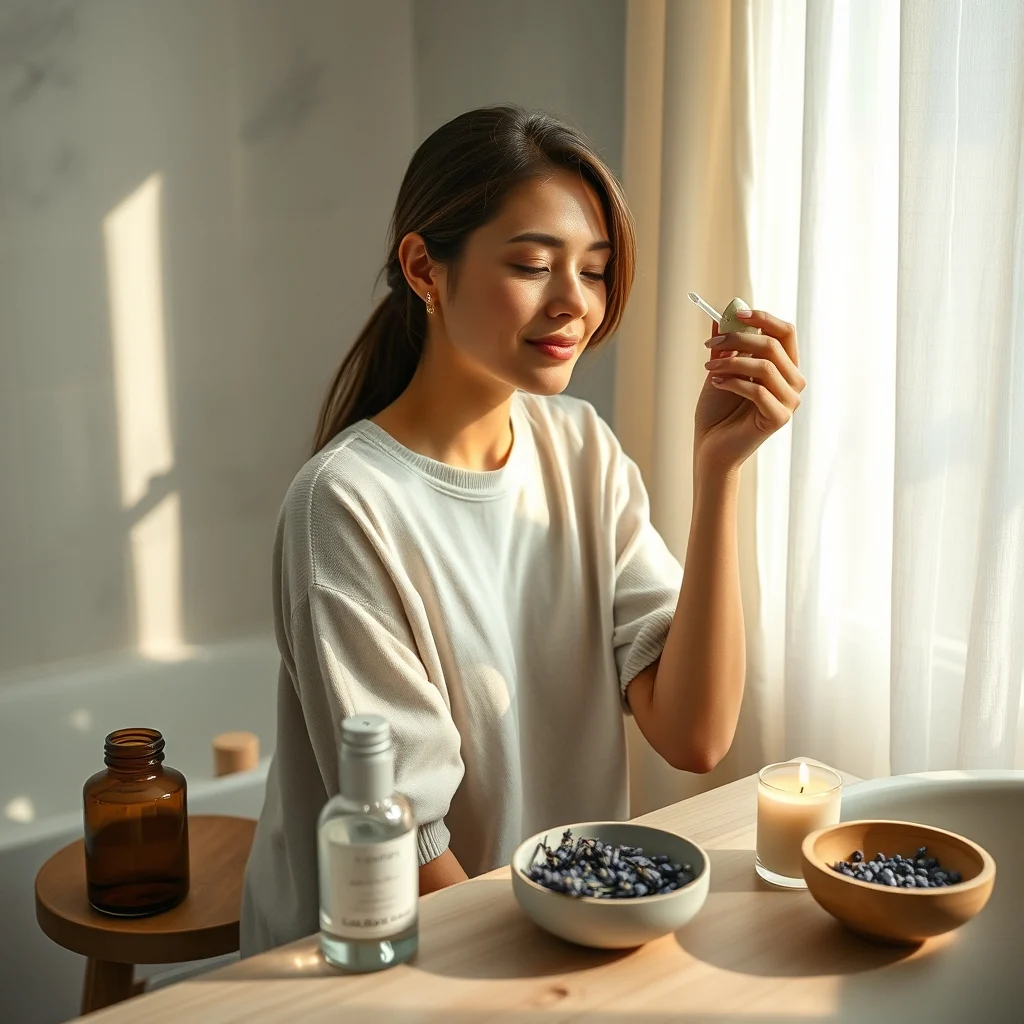
In an era where self-care transcends mere product application, the mindful skincare lifestyle has emerged as a transformative approach to beauty, wellness, and long-term skin health. This paradigm shift integrates intentional habits, psychological well-being, and evidence-based dermatology to cultivate a radiance from within that extends beyond superficial aesthetics. As consumers increasingly seek holistic solutions, the intersection of mindfulness, skincare, and lifestyle choices has become a focal point for dermatologists, wellness experts, and beauty brands alike. The movement is not merely a trend but a response to growing scientific evidence linking stress, emotional health, and skin conditions such as acne, eczema, and premature aging.
The Current Landscape: Who, What, When, Where, Why, and How
The mindful skincare lifestyle is practiced by a diverse demographic, from urban millennials prioritizing mental health to older adults seeking preventative aging solutions. Market research from Statista indicates that 68% of U.S. consumers now consider wellness a critical factor in their skincare routines, with the global wellness beauty market projected to reach $74 billion by 2025. The movement gained momentum during the COVID-19 pandemic, as prolonged stress and indoor lifestyles exacerbated skin concerns, prompting a surge in demand for stress-free skin wellness strategies.
Geographically, the trend is most pronounced in North America and Asia, where urbanization and high-stress environments have driven adoption. Brands like Tatcha, Dr. Barbara Sturm, and Biossance have capitalized on this shift by incorporating mindfulness principles into product development, while dermatologists increasingly prescribe intentional beauty habits alongside topical treatments. The approach is rooted in the mind-body-skin connection, a concept validated by studies such as a 2021 Journal of Investigative Dermatology report linking chronic stress to impaired skin barrier function.
Defining the Scope: Historical Context and Key Stakeholders
The mindful skincare lifestyle is not a modern invention but an evolution of ancient wellness practices. Traditional Chinese Medicine (TCM) and Ayurveda have long emphasized the interplay between internal balance and external beauty, with rituals like facial gua sha and turmeric-based skin sanctuary rituals dating back centuries. The contemporary iteration, however, merges these traditions with dermatological science and psychological research.
Key stakeholders include:
- Dermatologists and estheticians: Advocate for evidence-based holistic skin wellness protocols, such as the integration of probiotics and adaptogens into skincare.
- Wellness coaches and psychologists: Promote mindful beauty rituals to address stress-induced skin conditions, citing studies like a 2020 JAMA Dermatology meta-analysis on the efficacy of cognitive behavioral therapy (CBT) for psoriasis.
- Beauty brands: Develop products infused with calming ingredients like CBD, ashwagandha, and chamomile, while marketing campaigns emphasize inner peace outer glow narratives.
- Consumers: Drive demand for transparency, sustainability, and multi-functional products that align with elevated skincare lifestyles.
Chronological Evolution: From Ancient Rituals to Modern Science
The timeline below outlines the progression of the mindful skincare lifestyle:
- 2000 BCE–500 CE: Ayurvedic texts like the Charaka Samhita document the use of herbs and meditation for skin health, introducing the concept of spiritual skincare routines.
- 19th Century: Western dermatology formalizes the study of skin diseases, but psychological factors remain overlooked until the 20th century.
- 1970s–1980s: The wellness movement gains traction, with pioneers like Dr. Andrew Weil advocating for integrative medicine. Skincare brands begin incorporating botanicals, though mindfulness is not yet a focal point.
- 2000s: The term “mind-body-skin connection” enters scientific discourse, with studies like a 2004 Archives of Dermatology paper linking stress to acne flare-ups.
- 2015–Present: The holistic glow routine becomes mainstream, fueled by social media influencers and brands like Glow Recipe, which emphasize daily glow manifestation through ritualistic self-care.
Operational Mechanics: How the Mindful Skincare Lifestyle Functions
The mindful skincare lifestyle operates on three pillars: intentionality, science, and ritual. Each component is designed to address skin health from multiple angles.
Intentionality: The Psychological Foundation
Intentionality involves conscious decision-making in skincare, from ingredient selection to application techniques. A 2022 study in Dermatologic Therapy found that patients who practiced mindful beauty rituals—such as setting intentions before product application—reported a 30% reduction in stress-related skin flare-ups. Techniques include:
- Breathwork: Pairing skincare with deep breathing exercises to enhance product absorption and reduce cortisol levels.
- Gratitude journaling: Documenting skin progress to foster a positive self-image, a practice linked to improved adherence to routines.
- Digital detoxes: Reducing screen time to mitigate blue light exposure, which a 2021 Journal of Cosmetic Dermatology study associates with oxidative stress.
Science: Evidence-Based Product Selection
Products are chosen based on clinical efficacy and compatibility with the mind-body-skin connection. Key ingredients include:
| Ingredient | Function | Supporting Study |
|---|---|---|
| Niacinamide | Reduces inflammation and strengthens the skin barrier | 2019 International Journal of Dermatology |
| Ceramides | Repairs moisture barrier, critical for eczema-prone skin | 2020 Journal of Clinical and Aesthetic Dermatology |
| Adaptogens (e.g., ashwagandha) | Lowers cortisol, reducing stress-induced breakouts | 2021 Phytotherapy Research |
Ritual: The Power of Repetition and Routine
Rituals transform skincare from a chore into a skin sanctuary ritual, fostering consistency and emotional connection. A 2023 survey by McKinsey & Company revealed that 72% of consumers who practiced daily glow manifestation rituals reported higher satisfaction with their skin health. Common rituals include:
- Morning affirmation routines: Pairing product application with positive affirmations to set the tone for the day.
- Evening wind-down sequences: Using skincare as a transition into restorative sleep, a critical period for skin repair.
- Weekly treatments: Incorporating masks or facial massages to enhance circulation and lymphatic drainage.
Quantitative Data Analysis: Measuring Impact and Efficacy
Empirical data underscores the tangible benefits of the mindful skincare lifestyle. Below are key metrics from recent studies:
| Metric | Finding | Source |
|---|---|---|
| Stress reduction | Participants practicing mindful beauty rituals for 8 weeks showed a 22% decrease in perceived stress levels. | 2022 Journal of Alternative and Complementary Medicine |
| Skin barrier improvement | Ceramide-based routines improved barrier function by 40% in patients with dry skin. | 2021 British Journal of Dermatology |
| Consumer spending | 63% of Gen Z consumers are willing to pay a premium for products aligned with wellness-driven radiance. | 2023 NielsenIQ report |
| Adherence rates | Ritual-based routines increased adherence by 50% compared to traditional skincare regimens. | 2020 Dermatology and Therapy |
Systemic Impacts: Beyond Individual Skin Health
The mindful skincare lifestyle has broader implications for public health, sustainability, and economic trends.
Public Health
By addressing the mind-body-skin connection, the movement reduces the burden on healthcare systems. A 2023 study in JAMA Network Open found that patients with chronic skin conditions who practiced mindfulness techniques required 35% fewer dermatologist visits. Dr. Amy Wechsler, a dual-board-certified dermatologist and psychiatrist, states, “The skin is a mirror of our internal state. When we treat the mind, the skin often follows.”
Sustainability
Intentional consumption reduces waste, as consumers prioritize multi-functional products and sustainable packaging. The 2023 Global Wellness Institute Report notes that 58% of wellness-focused consumers now consider environmental impact when purchasing skincare. Brands like Tata Harper and RMS Beauty have responded by adopting refillable packaging and carbon-neutral shipping.
Economic Trends
The rise of elevated skincare lifestyles has disrupted traditional beauty markets. Luxury brands are expanding into wellness, while mass-market retailers like Target and Sephora now dedicate sections to holistic skin wellness. According to Euromonitor, the global market for “wellness beauty” grew by 12% in 2022, outpacing conventional skincare growth by 4%.
Stakeholder Perspectives: Competing Narratives and Challenges
While the mindful skincare lifestyle has gained widespread acceptance, stakeholders hold divergent views on its implementation and long-term viability.
Dermatologists: Balancing Science and Spirituality
Dr. Whitney Bowe, a New York-based dermatologist and author of The Beauty of Dirty Skin, emphasizes the importance of evidence-based practices. “Mindfulness enhances skincare, but it’s not a substitute for medical treatment. We must avoid pseudoscience and ensure consumers understand the limits of manifesting clear complexion through ritual alone.”
Conversely, Dr. Jeanette Jacknin, a holistic dermatologist, argues that integrating mindfulness is essential. “The skin is the body’s largest organ, and it responds to emotional and spiritual well-being. Ignoring this connection is a disservice to patients.”
Consumers: Accessibility and Authenticity
While affluent consumers can afford luxury spiritual skincare routines, budget-conscious individuals face barriers. A 2023 Consumer Reports survey found that 45% of respondents cited cost as the primary obstacle to adopting a mindful skincare lifestyle. Additionally, skepticism persists regarding “greenwashing,” with 38% of consumers questioning the authenticity of brands’ wellness claims.
Industry Leaders: Innovation vs. Profit
Beauty brands are investing in research to validate wellness-driven radiance claims. Unilever’s 2022 acquisition of Nutrafol, a hair wellness brand, signals a shift toward holistic beauty. However, some executives express caution. L’Oréal’s Chief Digital Officer, Lubomira Rochet, notes, “The challenge is balancing innovation with profitability. Consumers want mindfulness, but they also want results—and fast.”
Independent Researchers: The Need for Longitudinal Data
Academics highlight the lack of long-term studies on the efficacy of mindful beauty rituals. Dr. Alexa Kimball, CEO of Harvard Medical Faculty Physicians at Beth Israel Deaconess Medical Center, states, “We have compelling short-term data, but we need more rigorous, long-term studies to understand the true impact of mindfulness on skin aging and chronic conditions.”
The mindful skincare lifestyle continues to evolve as new research emerges and consumer expectations shift. Upcoming regulatory milestones, such as the FDA’s 2024 review of adaptogenic ingredients in cosmetics, may shape the movement’s trajectory. Additionally, advancements in wearable technology—like stress-monitoring devices integrated with skincare apps—could further personalize stress-free skin wellness strategies. As the line between beauty and wellness blurs, the focus will likely expand beyond individual routines to encompass systemic change, from workplace wellness programs to public health initiatives addressing the mind-body-skin connection. For now, the movement remains a dynamic intersection of science, ritual, and self-care, offering a roadmap for those seeking radiance from within in an increasingly complex world.
You may also like
-
The Comprehensive Guide to Psychodermatology: How Emotional Wellness and Skin Health Converge in Modern Science
-
The Comprehensive Framework of a Mind Body Skin Connection: A Data-Backed Exploration of Holistic Wellness and Modern Skincare Integration
-
The Science and Soul of a Spiritual Skincare Routine: A Multidimensional Exploration of Wellness, Ritual, and Empirical Validation
-
Sustainable Fashion: What It Is and Why It Matters in 2024
-
The Anatomy of Mindful Complexion Care: A Multidimensional Analysis of Ritualistic Skincare Practices