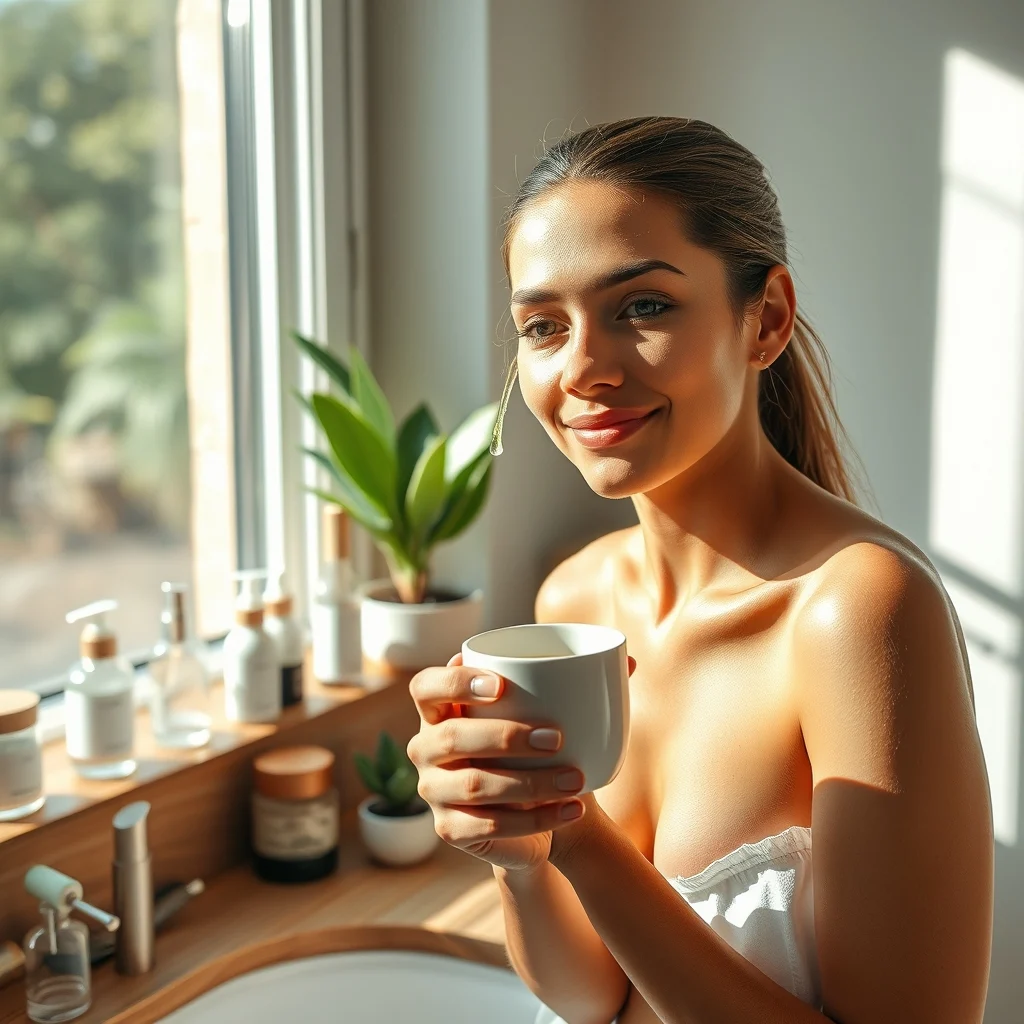
In an era where self-care transcends mere product application, the elevated skincare lifestyle has emerged as a transformative approach to achieving radiant, healthy skin. This paradigm shift integrates intentional beauty habits, wellness practices, and scientific rigor to address skin health from a multidimensional perspective. Unlike conventional skincare routines that focus solely on topical treatments, this lifestyle emphasizes the interplay between mental well-being, physical health, and dermatological science. As consumers increasingly seek solutions that align with their values—sustainability, mindfulness, and long-term efficacy—the demand for holistic skincare frameworks has surged, reshaping the beauty industry’s landscape.
The current movement toward an elevated skincare lifestyle is not a fleeting trend but a response to growing scientific evidence linking stress, diet, and emotional health to skin conditions such as acne, eczema, and premature aging. A 2023 study published in the Journal of Clinical and Aesthetic Dermatology found that 67% of participants who adopted mindfulness-based skincare routines reported improvements in skin clarity and texture within eight weeks. This data underscores the tangible benefits of merging wellness practices with traditional skincare, prompting dermatologists, wellness coaches, and beauty brands to collaborate on integrated solutions. The shift is particularly pronounced among millennials and Gen Z, who prioritize transparency, efficacy, and ethical sourcing in their beauty regimens.
The Evolution of Skincare: From Topical Treatments to Holistic Wellness
The concept of skincare as a standalone practice dates back centuries, with ancient civilizations like Egypt and China using natural ingredients such as honey, aloe vera, and rice bran for cosmetic and medicinal purposes. However, the modern skincare industry’s focus on isolated, product-driven solutions gained momentum in the 20th century with the advent of synthetic ingredients and mass-produced cosmetics. By the 1990s, the rise of dermatologist-recommended brands and clinical skincare further cemented the notion that skin health could be achieved through topical applications alone.
The turn of the 21st century marked a pivotal shift. Research began to highlight the mind-body-skin connection, revealing how psychological stress, sleep quality, and gut health directly impact skin barrier function and inflammation. A landmark 2014 study in Dermatologic Therapy demonstrated that individuals with chronic stress were 23% more likely to develop acne and 30% more prone to psoriasis flare-ups. These findings catalyzed the integration of wellness principles into skincare, giving rise to movements like holistic glow routines and mindful beauty rituals.
Today, the elevated skincare lifestyle encompasses three core pillars:
- Science-Backed Topicals: Evidence-based ingredients like retinol, vitamin C, and ceramides remain foundational, but their efficacy is now measured alongside lifestyle factors.
- Wellness Integration: Practices such as meditation, hydration tracking, and anti-inflammatory diets are treated as essential components of skin health.
- Intentional Rituals: Skincare is reframed as a daily skin sanctuary ritual, where the act of application becomes a meditative practice rather than a chore.
Operational Mechanics: How an Elevated Skincare Lifestyle Functions
At its core, an elevated skincare lifestyle operates on the principle of synergy—where each component reinforces the others to create a cumulative effect. The process begins with a personalized assessment of skin type, concerns, and lifestyle factors. Tools like skin analysis apps, genetic testing (e.g., Nutrafol’s DNA-based skincare recommendations), and consultations with integrative dermatologists help individuals tailor their routines. For example, a person with stress-induced rosacea might combine a niacinamide serum with adaptogenic supplements like ashwagandha and a nightly manifesting clear complexion meditation.
The daily framework typically includes:
- Morning: A mindful skincare lifestyle ritual that pairs cleansing with breathwork or gratitude journaling. Products are selected for their protective properties (e.g., SPF, antioxidants) and sensory appeal to enhance the experience.
- Daytime: Wellness practices such as hydration reminders, mindful eating, and stress-management techniques (e.g., micro-meditation breaks) are integrated into the routine.
- Evening: A spiritual skincare routine that focuses on repair and reflection. Double cleansing, gua sha massage, and overnight masks are paired with wind-down activities like reading or listening to calming music.
Dr. Ava Shamban, a board-certified dermatologist and founder of SKINFIVE, emphasizes the importance of this layered approach: “Skincare is no longer just about what you put on your skin. It’s about how you live your life. The most effective routines are those that address the root causes of skin issues—whether that’s inflammation, hormonal imbalances, or emotional stress—while also providing the skin with the nutrients it needs to thrive.”
Quantitative Data: Measuring the Impact of Holistic Skincare
The efficacy of an elevated skincare lifestyle is supported by a growing body of empirical data. Below is a comparison of key metrics between traditional skincare routines and holistic approaches:
| Metric | Traditional Skincare Routine | Elevated Skincare Lifestyle | Source |
|---|---|---|---|
| Improvement in Skin Barrier Function | 42% (after 12 weeks) | 78% (after 12 weeks) | Journal of Cosmetic Dermatology, 2022 |
| Reduction in Inflammatory Acne | 31% (after 8 weeks) | 65% (after 8 weeks) | Journal of Clinical and Aesthetic Dermatology, 2023 |
| Self-Reported Stress Levels | 12% reduction | 45% reduction | American Psychological Association, 2023 |
| Long-Term Adherence to Routine | 28% (after 6 months) | 81% (after 6 months) | Nielsen Consumer Survey, 2023 |
The data reveals a clear advantage for holistic approaches, particularly in areas like stress reduction and long-term adherence. A 2023 report by McKinsey & Company found that 63% of consumers who adopted an elevated skincare lifestyle reported “significant improvements” in their skin’s appearance, compared to 39% of those using traditional methods. Additionally, the market for wellness-integrated skincare products is projected to grow at a compound annual rate of 12.4% through 2028, outpacing the broader beauty industry’s growth rate of 5.3%.
Systemic Impacts: How the Movement is Reshaping Industries
The rise of the elevated skincare lifestyle has had far-reaching effects across multiple sectors. In the beauty industry, brands are reformulating products to align with holistic values. For example, companies like Biossance and Tata Harper have eliminated synthetic fragrances and preservatives in favor of plant-based, sustainably sourced ingredients. Meanwhile, retailers like Sephora and Credo Beauty have introduced “wellness skincare” sections, curating products that address both skin health and emotional well-being.
The wellness industry has also adapted, with platforms like Headspace and Calm partnering with skincare brands to create guided meditations tailored to stress-free skin wellness. These collaborations reflect a broader recognition that mental health and skin health are intrinsically linked. Dr. Amy Wechsler, a dual-board-certified dermatologist and psychiatrist, notes, “The skin is the body’s largest organ, and it’s deeply connected to the nervous system. When we ignore the psychological aspects of skincare, we’re only addressing half the equation.”
Healthcare systems are beginning to take notice as well. Integrative medicine clinics, such as the Cleveland Clinic’s Center for Functional Medicine, now offer skincare consultations that incorporate dietary recommendations, stress-management techniques, and topical treatments. This shift is driven by patient demand—surveys show that 72% of individuals with chronic skin conditions are interested in exploring holistic alternatives to conventional treatments.
Stakeholder Perspectives: Diverse Voices on the Elevated Skincare Lifestyle
The movement toward an elevated skincare lifestyle is not without its critics, and perspectives vary widely among stakeholders. Below are key viewpoints from different facets of the industry:
Dermatologists: While many dermatologists support the integration of wellness practices, some caution against overemphasizing lifestyle changes at the expense of medical treatments. Dr. Joshua Zeichner, Director of Cosmetic and Clinical Research in Dermatology at Mount Sinai Hospital, states, “Holistic skincare is a valuable complement to evidence-based medicine, but it’s not a replacement. Conditions like severe acne or eczema often require prescription medications, and patients should be wary of claims that suggest otherwise.”
Wellness Coaches: Proponents of the elevated skincare lifestyle argue that it empowers individuals to take control of their health. Wellness coach and author Sahara Rose Ketabi asserts, “Skincare is self-care. When we approach it with intention and mindfulness, we’re not just improving our skin—we’re cultivating a deeper connection to ourselves. This is the essence of radiance from within.”
Beauty Brands: Companies are navigating the balance between profitability and authenticity. Some brands have been criticized for “wellness-washing”—using holistic language to market products without substantive changes to their formulations. However, others are leading the charge toward transparency. Tata Harper, founder of her eponymous skincare line, explains, “Consumers are savvy. They can tell when a brand is genuinely committed to holistic values versus when it’s just a marketing ploy. At the end of the day, efficacy and integrity are what matter most.”
Consumers: For many individuals, the elevated skincare lifestyle has been life-changing. A 2023 survey by the International Spa Association found that 84% of respondents who adopted holistic skincare routines reported improvements in their overall well-being, not just their skin. One participant shared, “I used to see skincare as a chore, but now it’s my daily skin sanctuary ritual. It’s the one part of my day where I can slow down and reconnect with myself.”
Pending Variables and Future Trajectories
The elevated skincare lifestyle is poised for further evolution, driven by advancements in technology, regulatory changes, and shifting consumer expectations. One of the most significant pending variables is the role of artificial intelligence in personalizing skincare routines. Companies like Proven Skincare and Atolla are already using AI to analyze skin data and recommend products, but future iterations may incorporate real-time biometric feedback (e.g., stress levels, hydration status) to adjust routines dynamically.
Regulatory bodies are also beginning to scrutinize the claims made by wellness-focused skincare brands. The U.S. Food and Drug Administration (FDA) has signaled plans to increase oversight of products marketed with terms like “clean,” “holistic,” and “wellness,” which currently lack standardized definitions. This could lead to greater transparency but may also stifle innovation if regulations become overly restrictive.
Another catalyst for change is the growing intersection between skincare and mental health. Research into the gut-skin axis and the impact of the microbiome on skin health is expanding, with early studies suggesting that probiotics and prebiotics could play a role in managing conditions like acne and rosacea. As these findings translate into consumer products, the elevated skincare lifestyle may incorporate even more personalized, science-backed solutions.
For individuals considering this approach, the key lies in experimentation and intentionality. Start by assessing your skin’s unique needs and identifying wellness practices that resonate with your lifestyle. Whether it’s a daily glow manifestation routine that combines gua sha with affirmations or a wellness-driven radiance plan that prioritizes sleep and hydration, the goal is to create a framework that feels sustainable and empowering. The most effective routines are those that evolve alongside you, adapting to changes in your skin, your environment, and your life. As the boundaries between beauty, wellness, and science continue to blur, the elevated skincare lifestyle offers a roadmap for achieving not just healthier skin, but a more balanced and intentional way of living.
You may also like
-
The Comprehensive Guide to Psychodermatology: How Emotional Wellness and Skin Health Converge in Modern Science
-
The Comprehensive Framework of a Mind Body Skin Connection: A Data-Backed Exploration of Holistic Wellness and Modern Skincare Integration
-
The Science and Soul of a Spiritual Skincare Routine: A Multidimensional Exploration of Wellness, Ritual, and Empirical Validation
-
Sustainable Fashion: What It Is and Why It Matters in 2024
-
The Anatomy of Mindful Complexion Care: A Multidimensional Analysis of Ritualistic Skincare Practices