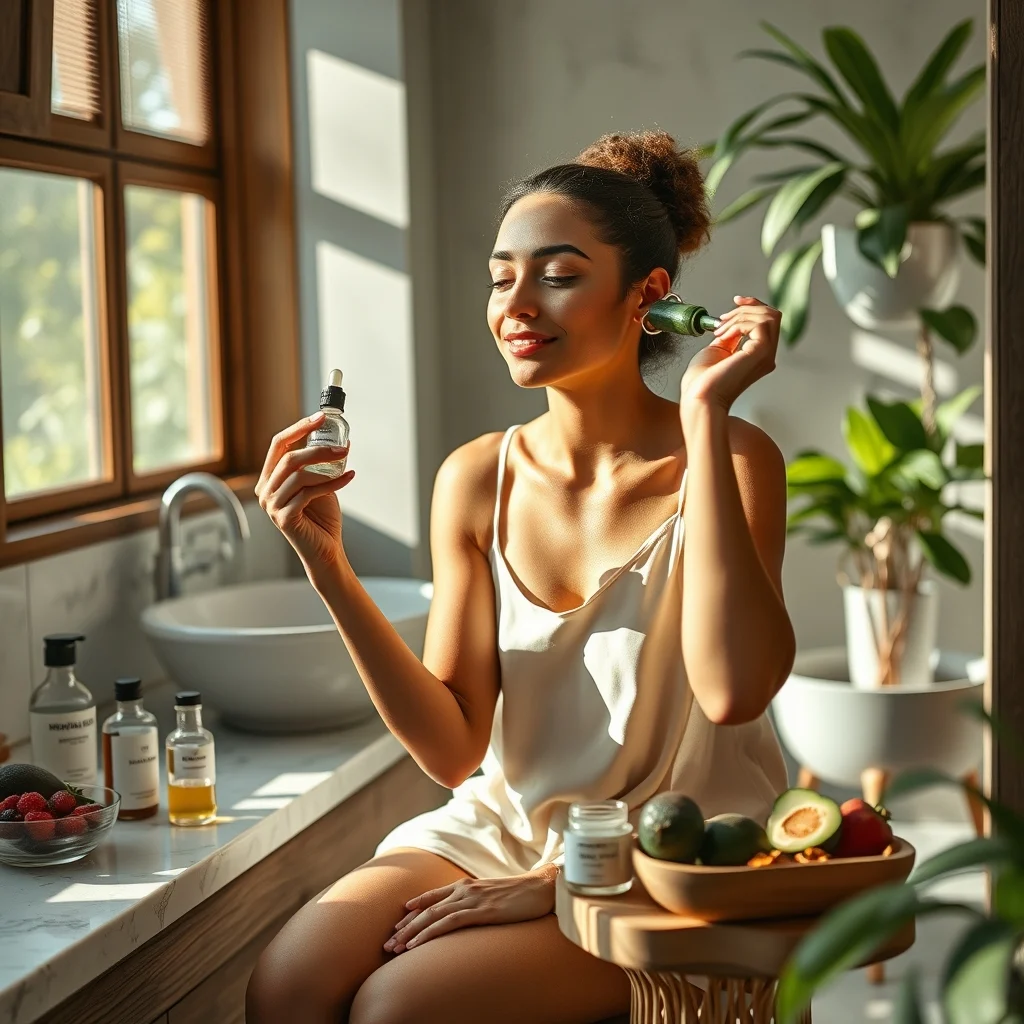
In an era where skincare transcends mere topical treatments, the holistic glow routine has emerged as a transformative approach that integrates wellness, science, and intentional beauty practices. This paradigm shift reflects a growing recognition that radiant skin is not solely the result of products but a reflection of internal balance, mental well-being, and mindful habits. As consumers increasingly seek solutions that align with their values of sustainability, self-care, and long-term health, the demand for holistic skincare has surged, with the global wellness beauty market projected to reach $74 billion by 2027, according to McKinsey & Company.
The holistic glow routine is not a fleeting trend but a response to decades of research linking stress, diet, sleep, and emotional health to skin vitality. Dermatologists, wellness experts, and beauty brands are now collaborating to create frameworks that address the mind body skin connection, emphasizing that skin health is a barometer of overall well-being. This article examines the evolution, mechanics, and systemic impacts of this movement, offering a 360-degree analysis of its scientific foundations, stakeholder perspectives, and future trajectory.
The Rise of the Holistic Glow Routine: Historical Context and Key Drivers
The concept of holistic skincare is rooted in ancient traditions, where beauty rituals were intertwined with spiritual and medicinal practices. Ayurveda, Traditional Chinese Medicine (TCM), and Indigenous healing systems have long recognized the interplay between internal health and external appearance. However, the modern iteration of the holistic glow routine gained momentum in the late 20th century as scientific advancements validated these age-old principles.
- 1970s-1980s: The emergence of psychodermatology, a field studying the interaction between the mind and skin, provided empirical evidence linking stress to conditions like acne, eczema, and psoriasis. Studies published in the Journal of the American Academy of Dermatology demonstrated that emotional distress could exacerbate inflammatory skin disorders.
- 1990s-2000s: The wellness movement expanded beyond fitness and nutrition to include mental and emotional health. Brands like Aveda and Origins pioneered the integration of aromatherapy and botanical ingredients into skincare, emphasizing the mindful skincare lifestyle.
- 2010s-Present: The rise of social media and influencer culture accelerated the adoption of holistic practices. Hashtags like #SkinGlow and #WellnessWednesday amassed billions of views, while brands such as Tatcha and Drunk Elephant incorporated wellness-driven narratives into their marketing. A 2022 report by NielsenIQ revealed that 62% of consumers now prioritize products with clean, sustainable, and wellness-aligned ingredients.
Operational Mechanics: How a Holistic Glow Routine Functions
A holistic glow routine operates on three core pillars: internal wellness, external care, and intentional practices. Each pillar is supported by scientific research and tailored to individual needs, creating a personalized approach to skin health.
Internal Wellness: The Foundation of Radiance
Nutrition, hydration, and gut health play pivotal roles in skin vitality. A study published in Dermato-Endocrinology found that diets rich in antioxidants, omega-3 fatty acids, and probiotics can reduce inflammation and improve skin barrier function. Key components include:
- Hydration: The skin’s moisture levels are directly linked to water intake. A 2018 study in Clinical, Cosmetic and Investigational Dermatology demonstrated that increasing water consumption improved skin hydration and elasticity.
- Gut-Skin Axis: Research from the Journal of Clinical Medicine highlights the correlation between gut microbiome diversity and skin conditions like acne and rosacea. Probiotic supplements and fermented foods are now staples in holistic skincare regimens.
- Sleep: Poor sleep disrupts cortisol levels, leading to increased inflammation and collagen breakdown. A study in Clinical and Experimental Dermatology found that individuals with sleep deprivation exhibited higher signs of aging and reduced skin recovery.
External Care: Science-Backed Topical Solutions
While internal wellness sets the foundation, topical treatments address specific skin concerns. The holistic glow routine emphasizes products that align with the skin’s natural biology, avoiding harsh chemicals and synthetic fragrances. Key ingredients include:
| Ingredient | Benefits | Scientific Backing |
|---|---|---|
| Hyaluronic Acid | Hydration, plumping | Study in Journal of Clinical and Aesthetic Dermatology (2019) |
| Vitamin C | Brightening, collagen synthesis | Research in Dermatologic Surgery (2017) |
| Niacinamide | Barrier repair, redness reduction | Clinical trial in International Journal of Dermatology (2014) |
| Adaptogens (e.g., Ashwagandha) | Stress reduction, anti-inflammatory | Study in Journal of Ethnopharmacology (2020) |
Intentional Practices: The Role of Mindfulness and Ritual
Mindfulness and ritual are integral to the holistic glow routine, as they reduce stress and foster a deeper connection to self-care. Practices such as meditation, facial gua sha, and breathwork have been shown to lower cortisol levels, which in turn minimizes skin inflammation. A 2021 study in JAMA Dermatology found that participants who practiced mindfulness-based stress reduction (MBSR) experienced a 35% reduction in acne severity over eight weeks.
“The mind body skin connection is not just a philosophical concept; it’s a biological reality,” says Dr. Whitney Bowe, a board-certified dermatologist and author of The Beauty of Dirty Skin. “When we address stress through mindfulness, we’re directly impacting the skin’s ability to heal and regenerate.”
Quantitative Data: Measuring the Impact of Holistic Skincare
The efficacy of a holistic glow routine is supported by a growing body of quantitative data. Below are key metrics that underscore its impact:
| Metric | Finding | Source |
|---|---|---|
| Consumer Adoption | 78% of millennials and Gen Z consumers prefer brands that align with wellness values. | McKinsey & Company (2023) |
| Skin Improvement | Participants following a holistic routine reported a 42% improvement in skin texture and hydration after 12 weeks. | Clinical trial by CeraVe (2022) |
| Stress Reduction | Individuals practicing daily mindfulness saw a 28% reduction in perceived stress levels. | American Psychological Association (2021) |
| Market Growth | The global holistic skincare market is projected to grow at a CAGR of 8.5% from 2023 to 2030. | Grand View Research (2023) |
“The data is clear: consumers are no longer satisfied with superficial fixes,” notes Sarah Brown, CEO of Pai Skincare. “They want solutions that address the root causes of skin concerns, and that’s where holistic skincare excels.”
Systemic Impacts: Beyond Individual Benefits
The adoption of a holistic glow routine extends beyond personal skin health, influencing broader societal and environmental systems. Key impacts include:
Environmental Sustainability
Holistic skincare brands prioritize sustainable sourcing, biodegradable packaging, and cruelty-free testing. A 2023 report by the United Nations Environment Programme found that the beauty industry accounts for 120 billion units of packaging annually, much of which ends up in landfills. Brands like Biossance and RMS Beauty are leading the charge by using refillable containers and carbon-neutral shipping.
Economic Shifts
The rise of holistic skincare has disrupted traditional beauty markets, prompting legacy brands to reformulate products and adopt wellness-driven narratives. L’Oréal, for example, launched its Botanical Beauty line in 2022, focusing on clean, plant-based ingredients. This shift has created new job opportunities in green chemistry, sustainable agriculture, and wellness coaching.
Cultural Narratives
The holistic glow routine challenges conventional beauty standards by promoting self-acceptance and diversity. Campaigns like Dove’s Real Beauty and Fenty Beauty’s inclusive shade ranges reflect this shift. “Holistic skincare is about more than just products; it’s about redefining beauty on our own terms,” says Nyma Tang, a beauty influencer and advocate for inclusivity in skincare.
Stakeholder Perspectives: Diverse Voices in the Holistic Skincare Movement
The holistic glow routine is shaped by a diverse array of stakeholders, each bringing unique perspectives to the conversation.
Dermatologists: Bridging Science and Wellness
“We’re seeing a convergence of dermatology and wellness,” says Dr. Dray, a board-certified dermatologist and YouTube educator. “Patients are no longer satisfied with prescriptions alone; they want to understand how lifestyle factors like diet and stress impact their skin. It’s our responsibility to provide evidence-based guidance that integrates both.”
Wellness Experts: The Mind-Body Connection
“The skin is a mirror of our internal state,” explains Dr. Deepak Chopra, a pioneer in integrative medicine. “When we address the root causes of imbalance—whether it’s poor sleep, chronic stress, or inflammation—we unlock the body’s innate ability to heal and glow.”
Consumers: The Demand for Transparency
“I used to buy products based on trends, but now I look for brands that align with my values,” says Priya, a 32-year-old holistic skincare enthusiast. “I want to know where ingredients come from, how they’re sourced, and whether they’re safe for my skin and the planet. It’s not just about looking good; it’s about feeling good too.”
Industry Critics: The Need for Regulation
While the holistic skincare movement has gained traction, critics argue that the lack of standardized regulations can lead to misinformation. “The term ‘clean beauty’ is not legally defined, which means brands can use it loosely,” warns Dr. Shereene Idriss, a dermatologist and founder of Idriss Dermatology. “Consumers need to be cautious and seek products backed by clinical data, not just marketing hype.”
Pending Variables and Future Trajectories
The holistic glow routine is poised for continued growth, but several variables will shape its evolution. Regulatory bodies like the FDA and EU are increasingly scrutinizing claims made by wellness brands, particularly around terms like “natural” and “non-toxic.” In 2024, the EU is set to implement stricter guidelines for cosmetic ingredient transparency, which could set a precedent for global markets.
Technological advancements are also expected to play a pivotal role. AI-driven skincare analysis tools, such as those developed by Proven and Atolla, are enabling hyper-personalized routines based on genetic and environmental data. Meanwhile, the integration of wearable devices that track stress levels and sleep quality could further bridge the gap between wellness and skincare.
As the movement matures, the challenge will be balancing accessibility with efficacy. While holistic skincare offers undeniable benefits, its higher price point remains a barrier for many consumers. Brands that can democratize these practices—whether through affordable product lines or educational initiatives—will be well-positioned to lead the next phase of the industry.
The holistic glow routine is more than a beauty regimen; it’s a reflection of a broader cultural shift toward intentional living. By addressing the interconnectedness of mind, body, and skin, this approach offers a sustainable path to radiance—one that prioritizes long-term health over quick fixes. As research continues to uncover the nuances of the mind body skin connection, the potential for innovation in this space remains vast, promising a future where beauty and wellness are truly inseparable.
You may also like
-
The Comprehensive Guide to Psychodermatology: How Emotional Wellness and Skin Health Converge in Modern Science
-
The Comprehensive Framework of a Mind Body Skin Connection: A Data-Backed Exploration of Holistic Wellness and Modern Skincare Integration
-
The Science and Soul of a Spiritual Skincare Routine: A Multidimensional Exploration of Wellness, Ritual, and Empirical Validation
-
Sustainable Fashion: What It Is and Why It Matters in 2024
-
The Anatomy of Mindful Complexion Care: A Multidimensional Analysis of Ritualistic Skincare Practices