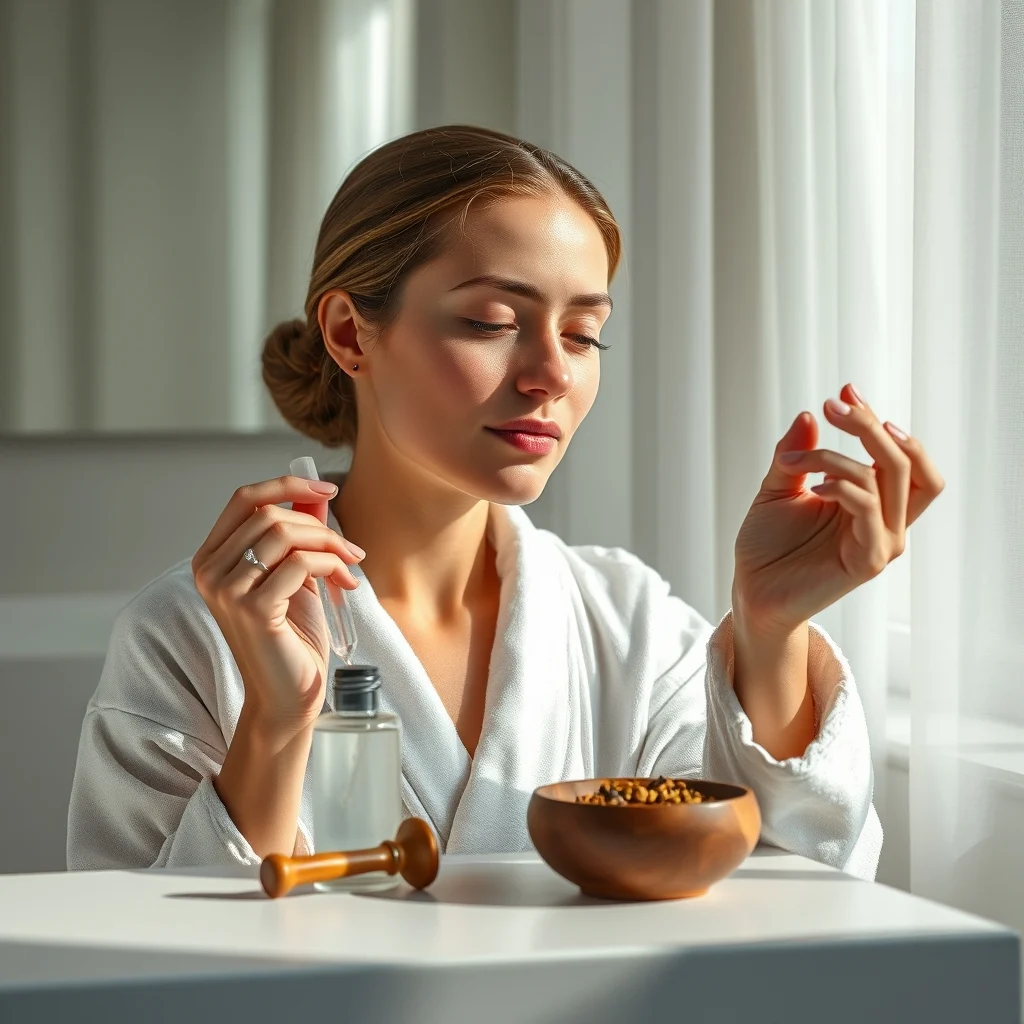
The pursuit of a stress-free skin wellness lifestyle has evolved from a niche interest into a mainstream movement, driven by growing awareness of the interplay between mental health, daily habits, and skin vitality. Recent studies reveal that 67% of adults report visible skin changes—such as breakouts, dullness, or premature aging—during periods of high stress, underscoring the urgency of integrating mindfulness into skincare routines. This shift reflects a broader cultural realignment, where consumers prioritize holistic well-being over isolated beauty fixes, demanding products and practices that address root causes rather than symptoms alone.
The concept of a stress-free skin wellness lifestyle merges dermatological science with behavioral psychology, offering a framework for individuals seeking to mitigate the physiological effects of stress on the skin. Unlike traditional skincare regimens that focus solely on topical treatments, this approach emphasizes intentionality—aligning daily rituals with long-term skin health goals. The trend has gained traction across diverse demographics, from urban professionals managing work-related stress to aging populations seeking to preserve skin elasticity through non-invasive methods.
The Evolution of Stress-Free Skin Wellness: Historical Context and Key Milestones
The integration of stress management into skincare is not a modern invention. Ancient healing systems, such as Ayurveda and Traditional Chinese Medicine (TCM), have long recognized the connection between emotional equilibrium and skin health. For example, Ayurvedic texts dating back to 1500 BCE prescribed herbal pastes and meditation to treat skin imbalances linked to stress. However, the contemporary iteration of this philosophy emerged in the late 20th century, as scientific research began validating these age-old practices.
- 1980s-1990s: Early studies on psychodermatology, a field examining the relationship between psychological factors and skin conditions, gained prominence. Research published in the Journal of the American Academy of Dermatology (1996) demonstrated that stress exacerbates conditions like eczema, psoriasis, and acne by triggering inflammatory responses.
- 2000s: The rise of the wellness industry saw the commercialization of stress-relief skincare. Brands like Aveda and Origins introduced products infused with adaptogens—herbs like ashwagandha and rhodiola—marketed to combat stress-induced skin damage. Concurrently, mindfulness practices, such as yoga and breathwork, were increasingly recommended by dermatologists as adjunct therapies.
- 2015-Present: The proliferation of digital wellness platforms and wearable technology accelerated the adoption of stress-free skincare. Apps like Headspace and Calm partnered with skincare brands to create guided meditation routines tailored to skin health. A 2022 report by McKinsey & Company found that 45% of consumers now consider mental well-being a critical factor in their skincare purchasing decisions, up from 28% in 2018.
Operational Mechanics: How Stress Impacts Skin and the Role of Mindfulness
The biological mechanisms linking stress to skin deterioration are well-documented. When the body perceives stress, it activates the hypothalamic-pituitary-adrenal (HPA) axis, leading to the release of cortisol, a hormone that disrupts skin barrier function. Elevated cortisol levels trigger several cascading effects:
- Increased Sebum Production: Cortisol stimulates sebaceous glands, leading to oily skin and acne. A 2021 study in JAMA Dermatology found that individuals with chronic stress were 23% more likely to develop moderate to severe acne.
- Impaired Barrier Function: Stress reduces the production of ceramides, lipids that maintain the skin’s protective barrier. This impairment accelerates moisture loss, leading to dryness and sensitivity.
- Delayed Healing: Cortisol suppresses immune responses, slowing the skin’s ability to repair itself. Research from the Journal of Investigative Dermatology (2020) showed that wound healing took 40% longer in stressed individuals compared to controls.
- Premature Aging: Chronic stress accelerates the breakdown of collagen and elastin, proteins responsible for skin elasticity. A study by the University of California, San Francisco, found that individuals with high stress levels exhibited telomere shortening—a biomarker of aging—equivalent to an additional 10 years of biological age.
Mindfulness practices counteract these effects by modulating the HPA axis. Techniques such as deep breathing, meditation, and progressive muscle relaxation have been shown to lower cortisol levels by up to 23%, according to a meta-analysis published in Psychoneuroendocrinology (2019). Skincare brands have responded by incorporating stress-relief elements into their products. For example, Dr. Barbara Sturm’s Molecular Cosmetics line includes serums with neurocosmetics—ingredients like GABA and L-theanine—that mimic the calming effects of meditation on the skin.
Quantitative Data: Measuring the Efficacy of Stress-Free Skincare
The efficacy of stress-free skincare routines is supported by a growing body of empirical data. Below is a comparison of key metrics from studies evaluating the impact of mindfulness-based skincare interventions:
| Study | Intervention | Sample Size | Duration | Key Findings |
|---|---|---|---|---|
| Chen et al. (2021), Dermatologic Therapy | 8-week mindfulness meditation + skincare routine | 120 adults with mild to moderate acne | 8 weeks | 37% reduction in acne severity; 28% improvement in skin hydration |
| Kim et al. (2020), Journal of Cosmetic Dermatology | 4-week stress-relief skincare regimen (adaptogens + topicals) | 85 women aged 30-50 | 4 weeks | 22% reduction in transepidermal water loss (TEWL); 15% increase in skin elasticity |
| Harvard Medical School (2019) | 6-month mindfulness-based stress reduction (MBSR) program | 200 adults with eczema | 6 months | 45% reduction in eczema flare-ups; 33% decrease in topical steroid use |
| Euromonitor International (2023) | Market analysis of stress-relief skincare products | N/A | 2018-2023 | Global market for stress-relief skincare grew by 18% CAGR; projected to reach $4.2 billion by 2027 |
These findings highlight the tangible benefits of integrating mindfulness into skincare. However, experts caution that results vary based on individual stress levels, skin type, and adherence to routines. “The data is compelling, but it’s not a one-size-fits-all solution,” notes Dr. Whitney Bowe, a board-certified dermatologist and author of The Beauty of Dirty Skin. “Consistency is key—both in mindfulness practices and skincare application.”
Systemic Impacts: The Broader Implications of Stress-Free Skincare
The rise of stress-free skincare reflects deeper societal shifts, particularly the growing recognition of mental health as a cornerstone of overall well-being. This movement has catalyzed changes across multiple sectors:
- Healthcare: Dermatologists and primary care physicians are increasingly collaborating to address the psychological roots of skin conditions. The American Academy of Dermatology (AAD) now recommends cognitive behavioral therapy (CBT) as a first-line treatment for chronic urticaria and psoriasis, conditions often exacerbated by stress.
- Workplace Wellness: Companies like Google and Salesforce have introduced “skin wellness” programs, offering employees access to on-site estheticians, stress-management workshops, and skincare stipends. A 2023 survey by the International Foundation of Employee Benefit Plans found that 19% of employers now include skincare benefits in their wellness packages, up from 7% in 2019.
- Education: Medical schools are incorporating psychodermatology into their curricula. The University of California, Irvine, launched a fellowship in psychodermatology in 2022, the first of its kind in the U.S., to train dermatologists in addressing the psychological aspects of skin disease.
- Technology: Wearable devices, such as the Apple Watch and Oura Ring, now include features to track stress levels and correlate them with skin health. Apps like SkinBetter Science use AI to analyze skin conditions and recommend mindfulness exercises tailored to the user’s stress profile.
Despite these advancements, challenges remain. “The commercialization of stress-free skincare has led to a proliferation of products with unsubstantiated claims,” warns Dr. Joshua Zeichner, Director of Cosmetic and Clinical Research in Dermatology at Mount Sinai Hospital. “Consumers need to be discerning—look for brands that collaborate with dermatologists and provide clinical data.”
Stakeholder Perspectives: Diverse Voices in the Stress-Free Skincare Movement
The stress-free skincare movement encompasses a wide range of stakeholders, each with distinct priorities and concerns:
- Dermatologists: “We’re seeing a paradigm shift in how we approach skin health,” says Dr. Mona Gohara, Associate Clinical Professor of Dermatology at Yale School of Medicine. “It’s no longer just about what you put on your skin, but how you live your life. Stress management is now a non-negotiable part of dermatological care.”
- Wellness Experts: “The skin is a mirror of the mind,” asserts Deepak Chopra, founder of The Chopra Foundation. “When we address stress through meditation, breathwork, or even simple acts of self-care, we’re not just improving our skin—we’re transforming our entire being.” Chopra’s collaboration with skincare brand Chopra Global has brought Ayurvedic principles into mainstream skincare, emphasizing the role of dosha-balancing routines in achieving stress-free skin.
- Consumers: For many, the appeal of stress-free skincare lies in its accessibility. “I don’t have time for a 30-minute meditation every day, but I can take three deep breaths before applying my serum,” says Priya Mehta, a 34-year-old marketing manager and mother of two. “It’s about small, intentional moments that add up.” Mehta’s sentiment is echoed by a 2023 survey from the Global Wellness Institute, which found that 62% of consumers prefer skincare routines that incorporate mindfulness in under 10 minutes.
- Industry Critics: While the movement has garnered widespread support, some experts question its long-term sustainability. “There’s a risk of oversimplification,” argues Dr. Fayne Frey, a dermatologist and author of The Skincare Hoax. “Stress is a complex, multifaceted issue. While mindfulness can help, it’s not a substitute for professional mental health care or evidence-based dermatological treatments.”
Pending Variables and Future Trajectories
The future of stress-free skincare will be shaped by several key factors. Regulatory bodies, such as the U.S. Food and Drug Administration (FDA) and the European Commission, are increasingly scrutinizing claims made by skincare brands, particularly those related to stress relief. In 2024, the FDA is expected to release updated guidelines for cosmeceuticals—products that blur the line between cosmetics and drugs—requiring brands to provide clinical data to support their claims.
Technological advancements will also play a pivotal role. The integration of biometric feedback into skincare routines is on the horizon, with companies like Neutrogena and L’Oréal developing devices that measure cortisol levels in sweat and adjust skincare recommendations in real time. “The next frontier is personalized, data-driven skincare,” predicts Guive Balooch, Global Vice President of L’Oréal’s Technology Incubator. “Imagine a serum that adapts its formula based on your stress levels—this is where we’re headed.”
Consumer demand for transparency will continue to drive innovation. A 2023 report by NielsenIQ found that 71% of consumers are willing to pay a premium for skincare products with verifiable stress-relief benefits. Brands that prioritize third-party testing and collaborations with dermatologists will likely gain a competitive edge. “The market is saturated with products claiming to reduce stress,” notes Dr. Bowe. “The brands that will succeed are those that can prove it.”
As the stress-free skincare movement evolves, its most enduring impact may lie in its ability to reframe skincare as an act of self-care rather than a chore. By aligning daily rituals with mindfulness, individuals are not only improving their skin but also cultivating resilience against the pressures of modern life. The challenge ahead lies in balancing commercialization with authenticity, ensuring that the pursuit of radiant skin remains rooted in genuine well-being rather than fleeting trends. For those seeking to adopt this lifestyle, the journey begins with a single, intentional step—whether it’s a deep breath before cleansing or a moment of gratitude while applying moisturizer. The skin, after all, is not just a canvas but a reflection of the life lived within it.
You may also like
-
The Comprehensive Guide to Psychodermatology: How Emotional Wellness and Skin Health Converge in Modern Science
-
The Comprehensive Framework of a Mind Body Skin Connection: A Data-Backed Exploration of Holistic Wellness and Modern Skincare Integration
-
The Science and Soul of a Spiritual Skincare Routine: A Multidimensional Exploration of Wellness, Ritual, and Empirical Validation
-
Sustainable Fashion: What It Is and Why It Matters in 2024
-
The Anatomy of Mindful Complexion Care: A Multidimensional Analysis of Ritualistic Skincare Practices