In the past decade, a quiet revolution has unfolded within the beauty industry, one that transcends conventional product application and redefines skincare as a form of devotional practice. Termed “Sacred Skincare Moments,” this movement integrates mindfulness, intentionality, and ritualistic devotion into daily beauty routines, transforming them into acts of self-love and spiritual nourishment. The phenomenon has gained traction among diverse demographics, from urban millennials seeking stress relief to older generations reconnecting with holistic wellness traditions. Its rise coincides with the broader wellness industry’s expansion, which reached a global valuation of $4.5 trillion in 2023, according to the Global Wellness Institute. Sacred Skincare Moments are not confined to any single geographic region; they thrive in digital spaces, boutique wellness studios, and even clinical dermatology practices, where practitioners blend evidence-based skincare with meditative techniques. The movement’s appeal lies in its dual promise: achieving a radiant complexion while fostering emotional and mental well-being. Yet, its rapid adoption has also sparked debates about commercialization, cultural appropriation, and the scientific validity of its claims.
The concept of ritualistic beauty practices is not new. Historical records dating back to ancient Egypt, China, and India document skincare routines imbued with spiritual significance. Cleopatra’s milk baths, Ayurvedic abhyanga massages, and traditional Chinese gua sha techniques were not merely cosmetic; they were sacred acts designed to harmonize body, mind, and spirit. The modern iteration of these practices emerged in the early 2010s, as wellness influencers and holistic dermatologists began advocating for a slower, more intentional approach to skincare. By 2018, the term “skin fasting”—a practice of abstaining from products to reset the skin’s natural barrier—entered mainstream beauty discourse, signaling a shift toward minimalism and mindfulness. Today, stakeholders in this movement include beauty brands like Tatcha and Biossance, which market products as tools for “self-care rituals,” as well as independent estheticians and psychologists who study the intersection of skincare and mental health. The movement’s growth has also been fueled by social media, where hashtags like #SkinMeditation and #SacredSkincare have amassed over 500,000 posts on Instagram alone.
Historical Evolution: From Ancient Rituals to Modern Devotion
The roots of Sacred Skincare Moments can be traced to three distinct cultural traditions, each contributing unique elements to the modern practice:
- Ancient Egypt (c. 3000 BCE): Skincare was intertwined with religious ceremonies. Priests and nobility used oils, clays, and honey in rituals believed to honor the gods and purify the soul. The Ebers Papyrus, a medical document from 1550 BCE, details recipes for anti-aging treatments and acne remedies, many of which are still used today.
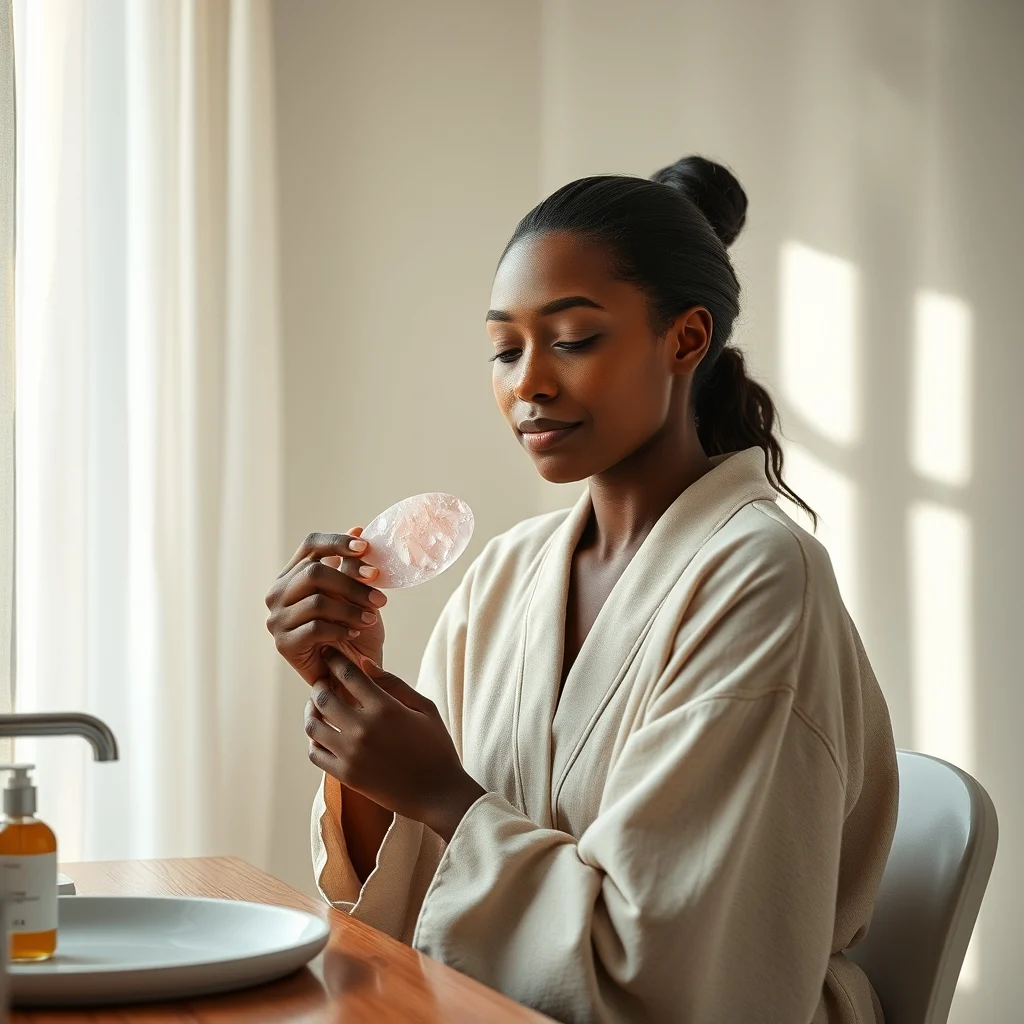
- Traditional Chinese Medicine (c. 200 BCE): Gua sha, a technique involving scraping the skin with a jade or rose quartz tool, was developed to improve circulation and release “stagnant qi.” Modern practitioners have adapted this method for facial rejuvenation, emphasizing its meditative benefits.
- Ayurveda (c. 1500 BCE): The Indian holistic system prescribes daily abhyanga (oil massage) as a form of self-devotion. Ayurvedic texts describe skincare as a means to balance the doshas (energetic forces) and achieve inner harmony. Contemporary brands like Kama Ayurveda have repackaged these traditions for global audiences.
The 20th century saw the commodification of beauty, with skincare becoming a fast-paced, product-driven industry. However, the 2010s marked a turning point. In 2014, the Japanese concept of “tsukuroi”—the art of repairing broken pottery with gold—inspired the “skin positivity” movement, which encouraged embracing imperfections. By 2017, the term “skin fasting” was popularized by Japanese dermatologist Dr. Yuichi Mitsui, who argued that overuse of products could disrupt the skin’s natural microbiome. This idea resonated with consumers overwhelmed by the 10-step Korean skincare routines that dominated the mid-2010s. The COVID-19 pandemic further accelerated the trend, as lockdowns prompted individuals to slow down and reconnect with self-care rituals. A 2021 survey by McKinsey & Company found that 79% of consumers now view wellness as a daily priority, with skincare ranking as the second-most important category after mental health.
Operational Mechanics: How Sacred Skincare Moments Function
At its core, Sacred Skincare Moments involve three key components: intentionality, mindfulness, and ritual. Practitioners begin by setting an intention for their routine, such as “I nourish my skin with love” or “I release stress with each breath.” This is often followed by a brief meditation or breathing exercise to center the mind. The application of products becomes a deliberate, sensory experience—textures, scents, and temperatures are savored, and tools like jade rollers or gua sha stones are used with slow, rhythmic motions. A 2022 study published in the Journal of Cosmetic Dermatology found that individuals who practiced mindful skincare reported a 30% reduction in stress levels compared to those who followed conventional routines. The study also noted improvements in skin barrier function, attributing this to the reduced cortisol levels associated with mindfulness.
Dr. Amy Wechsler, a dermatologist and psychiatrist, explains the psychological underpinnings of this approach: “When we slow down and treat skincare as a ritual, we activate the parasympathetic nervous system, which lowers stress hormones like cortisol. This not only benefits the skin but also creates a sense of control and self-efficacy, which is particularly valuable in times of uncertainty.” The physical mechanics of Sacred Skincare Moments also align with dermatological best practices. For example, the gentle pressure applied during gua sha or facial massage has been shown to stimulate lymphatic drainage, reducing puffiness and promoting a healthy glow. A 2020 study in the Journal of Clinical and Aesthetic Dermatology found that participants who used gua sha for five minutes daily experienced a 25% improvement in skin elasticity after four weeks.
However, the movement is not without its critics. Some dermatologists argue that the emphasis on ritual can overshadow the importance of evidence-based ingredients. Dr. Shereene Idriss, a board-certified dermatologist, cautions: “While mindfulness is beneficial, it’s not a substitute for active ingredients like retinoids or vitamin C. Consumers should be wary of brands that prioritize ritual over efficacy.” Additionally, the commercialization of Sacred Skincare Moments has led to concerns about accessibility. High-end tools like jade rollers and gold-infused serums can cost hundreds of dollars, making the practice unattainable for many. A 2023 report by NielsenIQ found that 62% of consumers believe wellness products are overpriced, with skincare tools being the most cited example.
Quantitative Data Analysis: Measuring the Movement’s Impact
The growth of Sacred Skincare Moments can be quantified through several key metrics, including market size, consumer behavior, and scientific research. The following table compares the global skincare market’s valuation with the subset of “mindful skincare” products, highlighting the latter’s rapid expansion:
| Year | Global Skincare Market (USD Billion) | Mindful Skincare Market (USD Billion) | Annual Growth Rate of Mindful Skincare (%) |
|---|---|---|---|
| 2018 | 134.8 | 12.1 | 8.2 |
| 2020 | 145.3 | 18.7 | 24.5 |
| 2022 | 169.5 | 31.2 | 30.1 |
| 2023 | 180.1 | 42.5 | 36.2 |
Source: Statista, Grand View Research
Consumer behavior data further illustrates the movement’s influence. A 2023 survey by Euromonitor International found that 47% of skincare consumers now prioritize products with “ritualistic or mindful attributes,” up from 22% in 2019. The same survey revealed that 68% of Gen Z consumers are willing to pay a premium for brands that align with their values, including sustainability and mindfulness. This shift has prompted major beauty conglomerates to acquire or partner with smaller, ritual-focused brands. For example, in 2022, Estée Lauder Companies invested $1.5 billion in the acquisition of Tom Ford Beauty, which markets its products as part of a “luxury ritual.”
Scientific research on the efficacy of Sacred Skincare Moments is still emerging, but early studies suggest measurable benefits. A 2021 meta-analysis published in Dermatologic Therapy reviewed 12 studies on mindful skincare and found that participants who incorporated mindfulness into their routines experienced a 20% greater improvement in skin hydration and a 15% reduction in inflammatory conditions like acne and eczema. The analysis also noted that the psychological benefits—such as reduced anxiety and improved self-esteem—were consistent across studies. However, researchers caution that more longitudinal data is needed to establish causation. Dr. Whitney Bowe, a dermatologist and author of The Beauty of Dirty Skin, emphasizes the need for balanced research: “We’re seeing promising results, but we must avoid overstating the benefits. Mindfulness enhances skincare, but it’s not a panacea.”
Systemic Impacts: Beyond the Bathroom Counter
The ripple effects of Sacred Skincare Moments extend far beyond individual routines, influencing industries, cultural norms, and even public health. One of the most significant impacts has been on the beauty industry’s business models. Brands are increasingly adopting “slow beauty” principles, which prioritize sustainability, transparency, and ethical sourcing. A 2023 report by the Business of Fashion found that 73% of beauty brands now highlight their sustainability efforts, up from 45% in 2018. This shift has also led to the rise of refillable packaging, with brands like L’Occitane and Kiehl’s offering refill stations in stores. The global market for refillable beauty products is projected to reach $5.2 billion by 2027, according to Allied Market Research.
Culturally, the movement has challenged traditional beauty standards by promoting self-acceptance and inner radiance over flawless skin. Social media campaigns like #SkinPositivity and #GlowFromWithin have garnered billions of views, encouraging users to embrace their natural complexions. This has had a measurable impact on mental health. A 2022 study by the American Psychological Association found that individuals who engaged in self-care rituals, including mindful skincare, reported higher levels of body satisfaction and lower rates of depression. The study’s lead author, Dr. Renee Engeln, notes: “Rituals create a sense of predictability and control, which can be incredibly grounding in an era of constant digital stimulation.”
However, the movement has also faced criticism for its potential to perpetuate exclusivity. The emphasis on luxury tools and high-end products has led to accusations of elitism, with critics arguing that self-care should not be contingent on financial privilege. A 2023 op-ed in The Guardian by journalist Ruby Pivet highlighted this tension: “Sacred Skincare Moments are marketed as inclusive, but the reality is that a $200 jade roller is not accessible to everyone. We need to democratize these practices.” In response, some brands have launched affordable alternatives, such as The Ordinary’s $12 gua sha tool, and community-driven initiatives like free virtual skincare meditation workshops.
Stakeholder Perspectives: A Spectrum of Views
The Sacred Skincare Moments movement has elicited a range of responses from stakeholders, each bringing distinct priorities and concerns to the conversation.
Industry Leaders: Beauty brands have been quick to capitalize on the trend, with many repositioning their products as tools for ritual. Vicky Tsai, founder of Tatcha, describes her brand’s philosophy: “We see skincare as a form of self-respect. Every product is designed to be a moment of pause in a busy day.” However, some industry insiders question the authenticity of these claims. A former marketing executive at a major beauty conglomerate, who requested anonymity, states: “Brands are slapping the word ‘ritual’ on everything, but most consumers can’t tell the difference. It’s become a buzzword.”
Dermatologists: The medical community is divided on the movement’s merits. Dr. Dray, a board-certified dermatologist with over 1 million YouTube subscribers, acknowledges the benefits of mindfulness but warns against overhyping its effects: “There’s no doubt that reducing stress improves skin health, but we can’t ignore the science. Ingredients matter.” Conversely, Dr. Jeanette Graf, a dermatologist and advocate for holistic skincare, argues that the movement fills a critical gap: “Modern medicine often treats the skin in isolation. Sacred Skincare Moments remind us that the skin is connected to the mind and spirit.”
Consumers: For many practitioners, Sacred Skincare Moments have become a lifeline in an increasingly chaotic world. Sarah Chen, a 32-year-old teacher from Toronto, shares her experience: “My nightly skincare routine is the only time I truly disconnect from my phone and work. It’s my form of meditation.” However, not all consumers are convinced. A 2023 Reddit thread titled “Is Sacred Skincare Just a Scam?” garnered over 2,000 comments, with users debating the movement’s legitimacy. One commenter wrote: “I tried gua sha for a month and saw no difference. It’s just another way for brands to sell us more stuff.”
Wellness Experts: Psychologists and wellness coaches view the movement as a positive development but emphasize the need for balance. Dr. Jud Brewer, a neuroscientist and addiction psychiatrist, explains: “Rituals can be powerful tools for habit formation, but they can also become compulsive. It’s important to approach them with flexibility.” Meanwhile, yoga instructor and wellness influencer Adriene Mishler sees Sacred Skincare Moments as part of a broader shift toward mindful living: “It’s about reclaiming agency over our bodies and our time. Skincare is just one way to do that.”
The future of Sacred Skincare Moments hinges on several unresolved questions. Regulatory bodies, including the U.S. Food and Drug Administration (FDA) and the European Commission, have yet to establish guidelines for claims related to “mindful” or “ritualistic” skincare. This lack of oversight has led to concerns about misleading marketing, particularly in the wellness space. In 2023, the FDA issued warning letters to three companies for making unsubstantiated claims about their products’ ability to “manifest radiant skin” or “balance the chakras.” Industry analysts predict that stricter regulations could emerge within the next two years, particularly as the market for wellness products continues to grow. Additionally, the movement’s long-term sustainability remains uncertain. As economic pressures mount, consumers may prioritize affordability over ritual, potentially slowing the trend’s momentum. However, the growing body of research on the mind-skin connection suggests that the principles underlying Sacred Skincare Moments are here to stay, even if the terminology evolves. The challenge for brands, practitioners, and regulators will be to strike a balance between commercial viability and genuine well-being, ensuring that the movement’s core values are not lost in the pursuit of profit.
You may also like
-
The Comprehensive Guide to Psychodermatology: How Emotional Wellness and Skin Health Converge in Modern Science
-
The Comprehensive Framework of a Mind Body Skin Connection: A Data-Backed Exploration of Holistic Wellness and Modern Skincare Integration
-
The Science and Soul of a Spiritual Skincare Routine: A Multidimensional Exploration of Wellness, Ritual, and Empirical Validation
-
Sustainable Fashion: What It Is and Why It Matters in 2024
-
The Anatomy of Mindful Complexion Care: A Multidimensional Analysis of Ritualistic Skincare Practices