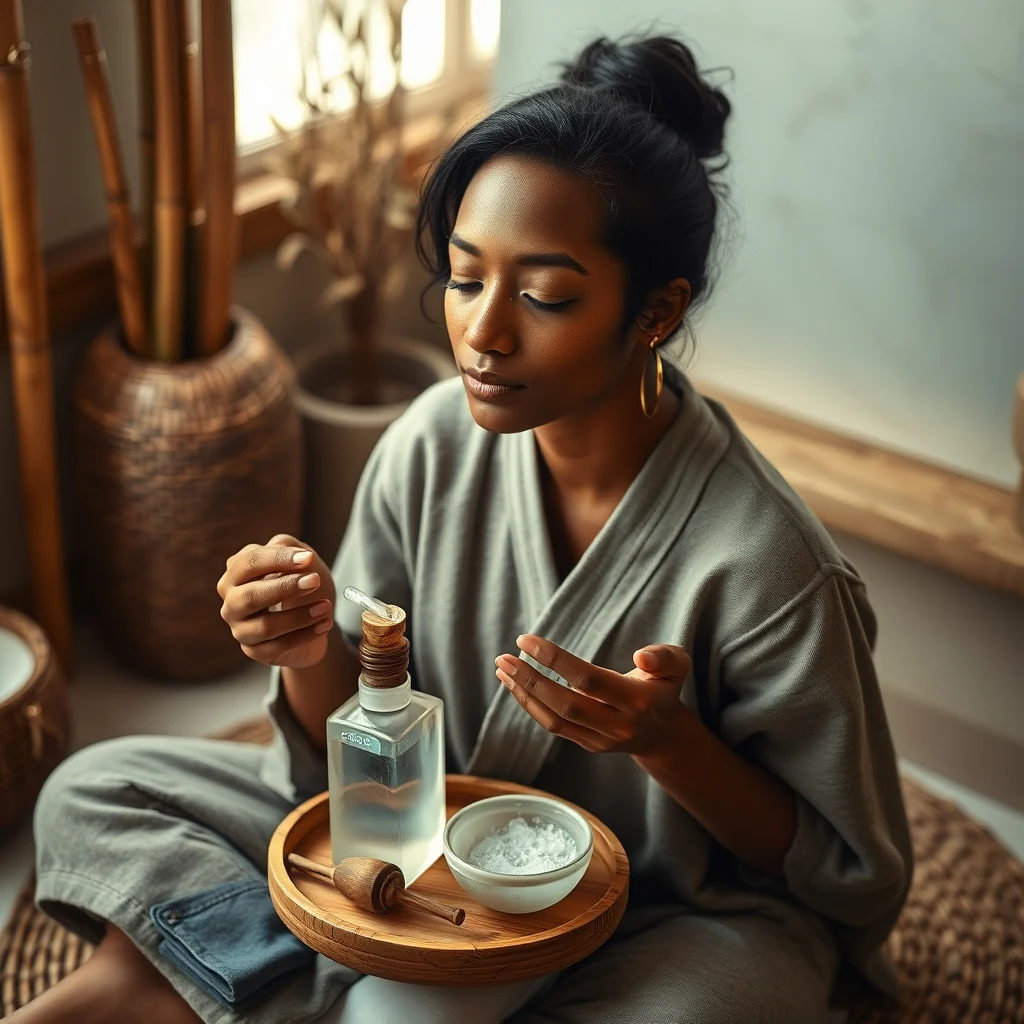
In the past decade, the global beauty industry has witnessed a paradigm shift from transactional skincare routines to ritualistic practices rooted in intentionality, mindfulness, and self-devotion. This transformation reflects a broader cultural movement toward holistic well-being, where skincare transcends mere product application to become a meditative, almost sacred act. The phenomenon, often termed “devotional skincare,” integrates psychological, spiritual, and physiological dimensions, appealing to consumers seeking deeper connections with their bodies and selves. Emerging data suggests this trend is not a fleeting fad but a structural evolution in how individuals engage with beauty, with implications for mental health, consumer behavior, and even environmental sustainability. The practice is most prevalent among millennials and Gen Z, particularly in urban centers across North America, Europe, and East Asia, where wellness culture has gained significant traction. However, its adoption spans socioeconomic strata, from luxury skincare enthusiasts to minimalist DIY practitioners.
The Scope and Stakes of Devotional Skincare
Devotional skincare practices encompass a spectrum of rituals, from mindful product application—where users focus on sensory experiences like texture and scent—to skincare affirmation rituals, which incorporate positive self-talk or mantras during routines. These practices are not merely about achieving a radiant complexion but about fostering a sense of agency, self-worth, and emotional regulation. Historically, the concept of beauty as a form of devotion is not new. Ancient Egyptian, Ayurvedic, and Traditional Chinese Medicine traditions viewed skincare as an extension of spiritual and physical health. However, the modern iteration of this trend is distinct in its fusion of contemporary wellness movements, digital culture, and evidence-based dermatology. Key stakeholders include beauty brands, mental health professionals, wellness influencers, and consumers themselves, each with vested interests in shaping the narrative and commercialization of these practices.
According to a 2023 report by McKinsey & Company, the global wellness market, which includes devotional skincare, is valued at over $1.5 trillion, with skincare accounting for nearly 30% of that figure. The same report highlights that 68% of consumers now prioritize products and routines that offer “emotional benefits” alongside physical results. This shift has prompted brands like Tatcha, Glow Recipe, and Drunk Elephant to rebrand their marketing strategies, emphasizing sacred self-care routines and intentional beauty rituals over traditional efficacy claims. Meanwhile, dermatologists and psychologists are increasingly collaborating to study the tangible benefits of these practices, with preliminary research suggesting correlations between mindful skincare and reduced stress levels.
Chronological Evolution: From Utility to Devotion
The trajectory of skincare as a devotional practice can be traced through distinct phases:
- Pre-2000s: Functional Skincare
Skincare was primarily utilitarian, focused on addressing specific concerns like acne or dryness. Brands like Neutrogena and Cetaphil dominated the market with clinical, no-frills messaging. Rituals were minimal, often limited to morning and evening cleanses. - 2000s: The Rise of Multi-Step Routines
The K-beauty wave introduced the 10-step skincare routine, emphasizing layering and customization. While still product-centric, this era laid the groundwork for ritualistic engagement by encouraging consumers to spend more time on their routines. - 2015-2020: Wellness Integration
The wellness movement began intersecting with skincare, with terms like “self-care” entering mainstream lexicon. Brands started incorporating mindfulness into their messaging, though the focus remained largely on physical outcomes. Influencers on platforms like Instagram and YouTube played a pivotal role in popularizing daily skin meditation and healing touch skincare. - 2020-Present: The Devotional Skincare Era
The COVID-19 pandemic accelerated the trend, as lockdowns forced individuals to slow down and introspect. Skincare became a form of soulful self-care, with consumers seeking routines that provided structure, comfort, and a sense of control. The rise of TikTok further democratized the trend, with hashtags like #SkinCareRitual and #IntentionalBeauty amassing billions of views. A 2022 survey by NPD Group found that 42% of skincare consumers now view their routines as a “daily act of self-devotion.”
Operational Mechanics: How Devotional Skincare Works
At its core, devotional skincare is characterized by three key components: intentionality, sensory engagement, and emotional resonance. Intentionality involves setting a clear purpose for the routine, whether it’s to manifest a radiant complexion, cultivate self-love, or simply create a moment of pause in a hectic day. Sensory engagement refers to the tactile and olfactory experiences of applying products—think of the cooling sensation of aloe vera gel or the earthy scent of a clay mask. Emotional resonance ties these elements together, as users often pair their routines with affirmations, gratitude practices, or even guided meditations.
Dr. Elena Martinez, a dermatologist and researcher at the University of California, San Francisco, explains the physiological underpinnings of these practices: “When individuals engage in mindful skincare, they activate the parasympathetic nervous system, which is responsible for the body’s ‘rest and digest’ functions. This can lower cortisol levels, reduce inflammation, and even improve skin barrier function. The ritual itself becomes a form of intentional skin nourishment, where the psychological state enhances the physical benefits of the products.”
Brands have capitalized on this by designing products that facilitate ritualistic use. For example, the Tatcha Silk Cream is marketed with instructions to apply it in a circular motion, mimicking traditional Japanese gua sha techniques. Similarly, Glow Recipe’s Plum Plump Hyaluronic Cream encourages users to take deep breaths while applying the product, turning a simple moisturizing step into a daily skin meditation. These design choices are not accidental; they reflect a deliberate strategy to merge product efficacy with experiential value.
Quantitative Data: Measuring the Impact
The rise of devotional skincare is supported by a growing body of empirical data. Below is a comparison of key metrics from 2018 to 2023, illustrating the trend’s growth and its broader implications:
| Metric | 2018 | 2023 | Change (%) |
|---|---|---|---|
| Global skincare market value (USD billion) | 134.8 | 186.2 | +38.1% |
| Consumers prioritizing “emotional benefits” in skincare (%) | 45% | 68% | +51.1% |
| Social media mentions of #IntentionalBeauty (millions) | 1.2 | 12.7 | +958.3% |
| Skincare routines lasting 10+ minutes (%) | 22% | 53% | +140.9% |
| Brands incorporating mindfulness in marketing (%) | 18% | 61% | +238.9% |
Source: McKinsey & Company (2023), NPD Group (2022), and Statista (2023).
Beyond consumer behavior, studies have begun quantifying the mental health benefits of devotional skincare. A 2021 study published in the Journal of Clinical and Aesthetic Dermatology found that participants who engaged in mindful complexion care for eight weeks reported a 31% reduction in perceived stress levels and a 22% improvement in self-esteem. These findings align with broader research on the psychological benefits of ritualistic behaviors, which have been shown to provide structure, reduce anxiety, and enhance feelings of control.
Systemic Impacts: Beyond the Individual
The devotional skincare movement is not occurring in a vacuum; it reflects and influences broader sociocultural shifts. One of the most significant impacts is on mental health discourse. By framing skincare as a form of self-devotion, the trend destigmatizes discussions around self-care and emotional well-being. Licensed therapist and wellness coach, Dr. Priya Kapoor, notes, “For many of my clients, especially those struggling with anxiety or depression, devotional skincare serves as a tangible entry point into mindfulness. The act of applying a serum or massaging in a moisturizer can feel more accessible than traditional meditation, yet it achieves similar grounding effects.”
Environmentally, the trend has sparked both positive and negative outcomes. On one hand, the emphasis on intentionality has led to a rise in “slow beauty”—a movement advocating for fewer, higher-quality products with sustainable sourcing. Brands like RMS Beauty and Biossance have gained traction by promoting conscious beauty rituals that prioritize eco-friendly packaging and non-toxic ingredients. On the other hand, the commercialization of devotional skincare has also fueled overconsumption. A 2022 report by the Environmental Working Group found that 60% of consumers who identify as “skincare devotees” own more products than they use regularly, contributing to waste and environmental strain.
The trend has also influenced workplace culture. Companies like Google and L’Oréal have introduced sacred skincare moments into employee wellness programs, offering guided skincare sessions as part of mental health initiatives. These programs aim to reduce burnout and improve productivity by encouraging employees to take intentional breaks during the workday. However, critics argue that such initiatives risk commodifying self-care, reducing it to a corporate perk rather than a genuine practice of well-being.
Stakeholder Perspectives: A Spectrum of Views
The devotional skincare movement has elicited diverse reactions from stakeholders, each with distinct priorities and concerns.
Beauty Industry Executives
Sarah Brown, CEO of Pai Skincare, views the trend as a natural evolution of consumer demand: “People are no longer satisfied with products that just work; they want products that mean something. Devotional skincare isn’t just about selling more items; it’s about creating a deeper relationship between the brand and the consumer. When someone uses our rosehip oil as part of their self-love skin ritual, they’re not just buying a product—they’re buying into a philosophy.”
Mental Health Professionals
While many therapists support the trend, some caution against its potential pitfalls. Dr. Jonathan Stevens, a clinical psychologist specializing in body image, warns, “Devotional skincare can be a powerful tool for self-care, but it’s not a panacea. For individuals with a history of obsessive-compulsive behaviors or body dysmorphia, ritualistic skincare can become another form of avoidance or control. It’s crucial to strike a balance between intentionality and flexibility.”
Consumers<n
Consumer perspectives vary widely. For some, devotional skincare is a transformative practice. A 2023 survey by Allure Magazine found that 78% of respondents who identified as “skincare devotees” reported feeling more connected to their bodies and more confident in their skin. However, others express skepticism about the trend’s commercialization. Reddit user @MindfulMaven, a participant in the r/SkincareAddiction community, writes, “I love the idea of sacred self-care routines, but it’s hard not to feel like brands are just slapping a ‘mindful’ label on products to charge more. At the end of the day, a $60 serum is still a $60 serum, no matter how many deep breaths you take while applying it.”
Environmental Advocates
Environmental organizations have mixed feelings about the trend. While they applaud the shift toward sustainability, they urge consumers to remain critical. Lauren Singer, founder of Package Free Shop, states, “The slow beauty movement is a step in the right direction, but we need to ensure that ‘intentional’ doesn’t just mean ‘expensive.’ True sustainability requires accessibility, transparency, and a commitment to reducing waste at every level of the supply chain.”
The future of devotional skincare will likely be shaped by several pending variables. Regulatory bodies, such as the FDA and the European Commission, are beginning to scrutinize the wellness claims made by beauty brands, particularly those related to mental health benefits. In 2024, the FDA is expected to release guidelines on the use of terms like “mindful” and “sacred” in skincare marketing, which could reshape how brands communicate with consumers. Additionally, the rise of AI and personalized beauty tech—such as apps that curate routines based on mood or stress levels—may further blur the lines between skincare and self-care. As the trend evolves, its ability to balance commercial interests with genuine well-being will determine whether it remains a cultural mainstay or fades into obscurity.
You may also like
-
The Comprehensive Guide to Psychodermatology: How Emotional Wellness and Skin Health Converge in Modern Science
-
The Comprehensive Framework of a Mind Body Skin Connection: A Data-Backed Exploration of Holistic Wellness and Modern Skincare Integration
-
The Science and Soul of a Spiritual Skincare Routine: A Multidimensional Exploration of Wellness, Ritual, and Empirical Validation
-
Sustainable Fashion: What It Is and Why It Matters in 2024
-
The Anatomy of Mindful Complexion Care: A Multidimensional Analysis of Ritualistic Skincare Practices