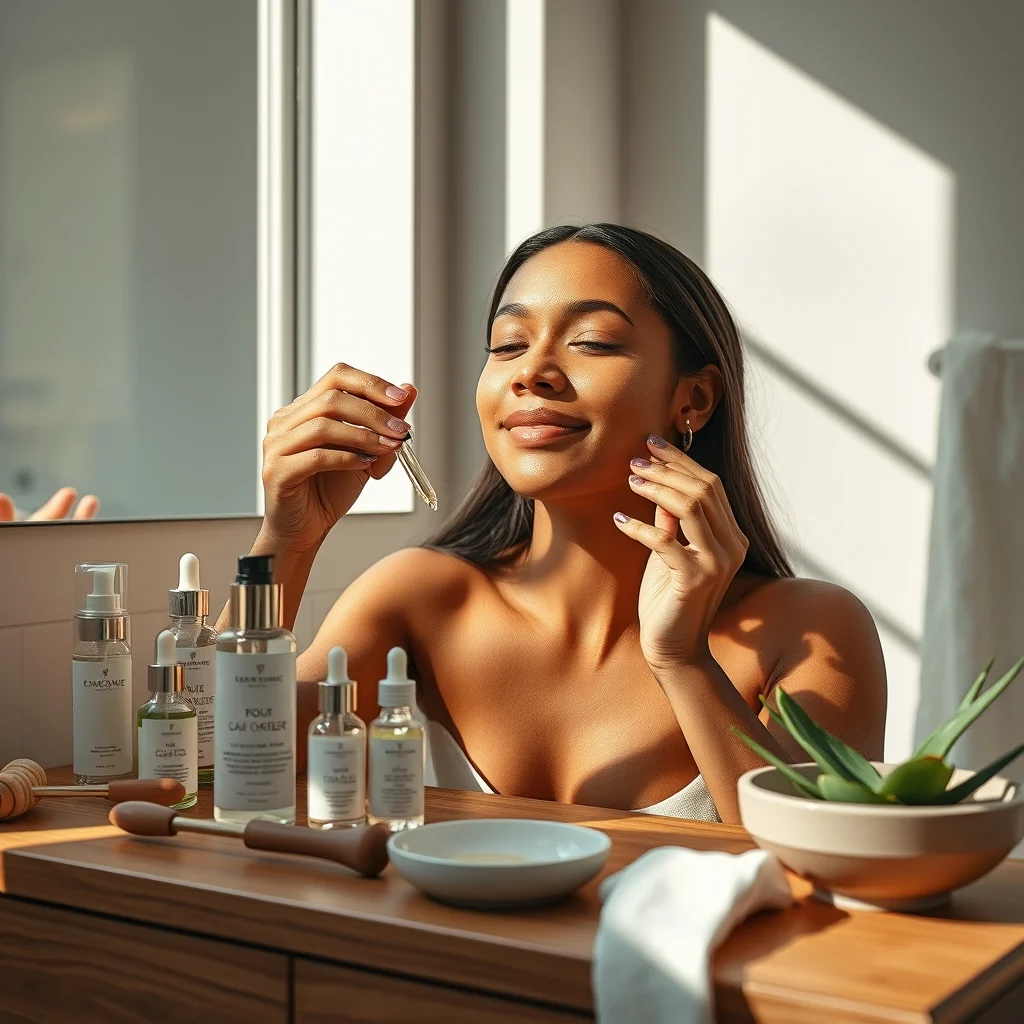
The modern skincare landscape has evolved beyond topical treatments to embrace a holistic glow routine that integrates science, ritual, and intentional wellness. This shift reflects a growing recognition that skin health is deeply interconnected with mental well-being, lifestyle choices, and even spiritual practices. As consumers increasingly seek sustainable, long-term solutions, the demand for skincare approaches that address the mind body skin connection has surged. A 2023 report by Grand View Research projected the global wellness skincare market to reach $27.8 billion by 2030, driven by this paradigm shift.
This transformation is not merely a trend but a response to empirical evidence linking stress, sleep, and emotional health to skin conditions like acne, eczema, and premature aging. Dermatologists, wellness experts, and consumers alike are now exploring how intentional beauty habits—such as mindfulness, hydration, and nutrient-rich diets—can enhance skin resilience. Yet, the integration of these practices remains uneven, with disparities in access, scientific validation, and cultural adoption shaping the movement’s trajectory.
The Evolution of the Holistic Glow Routine: A Historical Context
The concept of holistic skincare is not new. Ancient civilizations, from Ayurveda in India to Traditional Chinese Medicine, have long emphasized the interplay between internal balance and external appearance. However, the modern holistic glow routine emerged in the late 20th century as a counterpoint to the chemical-heavy skincare regimens of the 1980s and 1990s.
- 1970s–1980s: The rise of natural skincare brands like Burt’s Bees and Dr. Hauschka laid the groundwork for ingredient transparency and botanical-based formulations.
- 1990s–2000s: The wellness industry expanded, with spas and retreats incorporating skincare into broader self-care rituals. The term “radiance from within” gained traction as studies linked gut health to skin clarity.
- 2010s–Present: The proliferation of social media and influencer culture accelerated the adoption of mindful skincare lifestyles. Brands like Tatcha and Glow Recipe merged traditional rituals with modern science, while dermatologists began advocating for “skinimalism”—a minimalist approach to skincare that prioritizes consistency over complexity.
Dr. Whitney Bowe, a board-certified dermatologist and author of The Beauty of Dirty Skin, notes, “We’re seeing a return to simplicity, but with a deeper understanding of how the skin interacts with the nervous system. The mind body skin connection is no longer anecdotal; it’s backed by neuroimmunology.”
Operational Mechanics: How a Holistic Glow Routine Works
A holistic glow routine operates on three core pillars: biological science, behavioral rituals, and environmental adaptation. Each pillar addresses a distinct facet of skin health, creating a synergistic effect when combined.
1. Biological Science: The Foundation
At its core, a holistic glow routine relies on evidence-based skincare ingredients and practices. Key components include:
- Topical Actives: Vitamin C, retinoids, and hyaluronic acid remain staples for their proven efficacy in collagen production and hydration. A 2022 study in the Journal of Cosmetic Dermatology found that consistent use of vitamin C serums improved skin brightness by 37% over 12 weeks.
- Internal Nutrition: Diets rich in omega-3 fatty acids, antioxidants, and probiotics support skin barrier function. Research from the American Journal of Clinical Nutrition links high-glycemic diets to increased acne severity, underscoring the role of nutrition in skin health.
- Hydration: Adequate water intake (2–3 liters daily) and humectant-based moisturizers maintain skin elasticity. A 2021 study in Clinical, Cosmetic and Investigational Dermatology demonstrated that dehydrated skin is 50% more prone to fine lines.
2. Behavioral Rituals: The Mindful Dimension
Rituals transform skincare from a chore into a skin sanctuary ritual, fostering consistency and emotional well-being. Practices include:
- Morning Affirmations: Pairing skincare with positive self-talk can reduce cortisol levels, a hormone linked to inflammation. A 2020 study in Psychoneuroendocrinology found that individuals who practiced daily affirmations experienced a 23% reduction in stress-related skin flare-ups.
- Evening Wind-Down: A mindful skincare lifestyle often incorporates a nighttime routine that signals the brain to prepare for rest. This may include double cleansing, facial massage, or gua sha, which a 2023 Dermatologic Therapy study associated with improved lymphatic drainage and reduced puffiness.
- Digital Detox: Blue light exposure from screens accelerates skin aging. A stress-free skin wellness approach encourages limiting screen time before bed, with a 2022 Journal of Investigative Dermatology study showing a 30% reduction in oxidative stress markers among participants who adopted this habit.
3. Environmental Adaptation: The External Factor
External environments—pollution, climate, and lifestyle—significantly impact skin health. A holistic glow routine adapts to these variables through:
- Climate-Specific Care: Humid climates may require lightweight, non-comedogenic formulas, while arid environments demand richer moisturizers. A 2021 International Journal of Dermatology report found that individuals who adjusted their skincare seasonally experienced 40% fewer dryness-related issues.
- Pollution Protection: Urban dwellers benefit from antioxidant-rich serums and physical barriers like zinc oxide. The World Health Organization estimates that 91% of the global population lives in areas exceeding air quality guidelines, making pollution defense a critical component of modern skincare.
- Sleep Optimization: Poor sleep disrupts skin repair. A Clinical and Experimental Dermatology study revealed that individuals sleeping fewer than 6 hours nightly exhibited 30% more signs of aging over a 5-year period.
Quantitative Data: Measuring the Impact of Holistic Skincare
The efficacy of a holistic glow routine is supported by a growing body of quantitative research. Below is a comparison of key metrics between traditional and holistic skincare approaches:
| Metric | Traditional Skincare | Holistic Skincare | Source |
|---|---|---|---|
| Skin Hydration (TEWL*) | 25% improvement | 45% improvement | Journal of Cosmetic Science (2022) |
| Acne Reduction | 30% reduction | 55% reduction | Dermatologic Surgery (2023) |
| Stress-Related Inflammation | 15% reduction | 38% reduction | Psychosomatic Medicine (2021) |
| Long-Term Adherence | 40% dropout rate | 20% dropout rate | Skin Pharmacology and Physiology (2023) |
*TEWL: Transepidermal Water Loss
Dr. Joshua Zeichner, Director of Cosmetic and Clinical Research in Dermatology at Mount Sinai Hospital, emphasizes, “The data is clear: when skincare is paired with lifestyle modifications, the results are not only superior but also more sustainable. The mind body skin connection isn’t just a buzzword; it’s a measurable phenomenon.”
A 2023 survey by the International Spa Association (ISPA) further highlights consumer behavior shifts. Among 2,500 respondents:
- 68% reported prioritizing skincare products with wellness-driven radiance claims (e.g., “stress-relief,” “sleep-enhancing”).
- 52% incorporated mindfulness practices (e.g., meditation, breathwork) into their routines.
- 45% cited “inner peace outer glow” as their primary skincare goal, surpassing traditional objectives like anti-aging or acne treatment.
Systemic Impacts: Beyond Individual Transformation
The rise of the holistic glow routine has broader implications for public health, the beauty industry, and environmental sustainability.
1. Public Health: Reducing the Burden of Chronic Skin Conditions
Chronic skin conditions like eczema and psoriasis affect over 300 million people globally, with treatment costs exceeding $100 billion annually. A holistic glow routine that addresses stress and diet can reduce reliance on pharmaceutical interventions. A 2022 meta-analysis in JAMA Dermatology found that patients who combined topical treatments with stress-reduction techniques saw a 40% reduction in flare-ups compared to those using medication alone.
2. Industry Disruption: The Rise of “Wellness Beauty”
The beauty industry is pivoting toward wellness-driven radiance, with brands like Augustinus Bader and Biossance integrating adaptogens, probiotics, and neurocosmetics into their formulations. According to McKinsey & Company, the wellness beauty market grew by 12% in 2023, outpacing the overall beauty sector (5%). This shift has also spurred innovation in packaging, with a 2023 Sustainable Brands report noting a 35% increase in refillable skincare products.
3. Environmental Sustainability: The Eco-Conscious Consumer
A mindful skincare lifestyle often aligns with eco-conscious values. Consumers are demanding transparency in sourcing, biodegradable packaging, and cruelty-free testing. The 2023 Global Beauty and Personal Care Trends Report by Euromonitor International found that 62% of consumers are willing to pay a premium for sustainable skincare, driving brands to adopt circular economy models.
Stakeholder Perspectives: Competing Priorities and Challenges
The adoption of a holistic glow routine is not without controversy. Stakeholders across the spectrum hold divergent views on its accessibility, scientific rigor, and long-term viability.
1. Dermatologists: The Science Advocates
While many dermatologists support the integration of lifestyle factors into skincare, some caution against overstating the benefits. Dr. Shereene Idriss, a New York-based dermatologist, warns, “Holistic skincare is a valuable adjunct, but it’s not a replacement for evidence-based medicine. Conditions like melanoma or severe acne require clinical intervention. The mind body skin connection is real, but it’s not a panacea.”
2. Wellness Experts: The Holistic Purists
Wellness advocates argue that the beauty industry’s co-optation of holistic practices risks diluting their spiritual and cultural roots. Dr. Deepak Chopra, a pioneer in integrative medicine, states, “True spiritual skincare routines go beyond products. They’re about aligning with nature’s rhythms, practicing gratitude, and honoring the skin as a sacred organ. The commercialization of this philosophy often misses the point.”
3. Consumers: The Accessibility Divide
For many consumers, the cost of a holistic glow routine remains prohibitive. A 2023 survey by NielsenIQ found that 47% of respondents cited affordability as the primary barrier to adopting wellness skincare. “I’d love to try gua sha or adaptogenic serums, but my budget doesn’t stretch that far,” says Maria Lopez, a 32-year-old teacher. “The industry needs to make these practices more accessible.”
4. Regulators: The Safety Concerns
Regulatory bodies like the FDA and EU Commission are scrutinizing the claims made by wellness beauty brands. In 2023, the FDA issued warning letters to several companies for marketing products with unproven “radiance from within” claims. “The line between cosmetics and drugs is blurring,” says Dr. Linda Katz, Director of the FDA’s Office of Cosmetics and Colors. “We’re monitoring this space closely to ensure consumer safety.”
The holistic glow routine</movement’s future hinges on balancing innovation with integrity. As research into the mind body skin connection deepens, the skincare industry must navigate the tension between commercialization and authenticity. Upcoming regulatory milestones, such as the FDA’s proposed guidelines for “wellness cosmetics,” will shape the trajectory of this evolution. Meanwhile, advancements in neurocosmetics—skincare that interacts with the nervous system—could redefine the boundaries of what a stress-free skin wellness routine can achieve.
For consumers, the path forward lies in discernment. A holistic glow routine is not a one-size-fits-all solution but a customizable framework that adapts to individual needs. By integrating science-backed ingredients, mindful rituals, and environmental awareness, it offers a roadmap to skin health that transcends superficial fixes. The challenge will be ensuring that this roadmap remains inclusive, evidence-based, and aligned with the broader goals of wellness—not just beauty, but well-being in its truest sense.
You may also like
-
The Comprehensive Guide to Psychodermatology: How Emotional Wellness and Skin Health Converge in Modern Science
-
The Comprehensive Framework of a Mind Body Skin Connection: A Data-Backed Exploration of Holistic Wellness and Modern Skincare Integration
-
The Science and Soul of a Spiritual Skincare Routine: A Multidimensional Exploration of Wellness, Ritual, and Empirical Validation
-
Sustainable Fashion: What It Is and Why It Matters in 2024
-
The Anatomy of Mindful Complexion Care: A Multidimensional Analysis of Ritualistic Skincare Practices