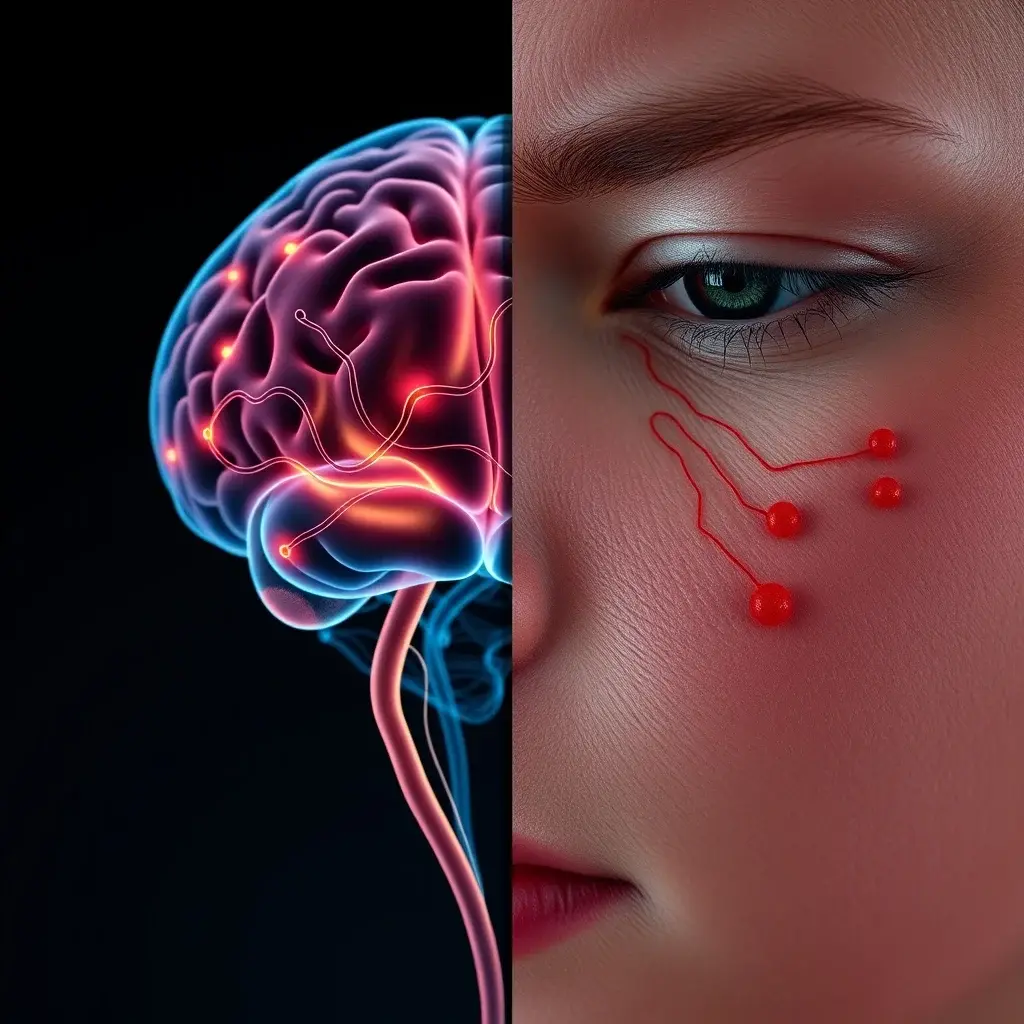
The intersection of mental health and dermatology, known as psychodermatology, has gained traction in both clinical and consumer spheres over the past decade. This field explores how emotional stress, psychological states, and neurological pathways influence skin conditions such as acne, eczema, psoriasis, and premature aging. Research indicates that up to 30% of dermatology patients exhibit symptoms linked to psychological factors, with stress-related skin disorders accounting for a significant portion of global skincare consultations. The phenomenon is not confined to any demographic, affecting individuals across age groups, genders, and geographic regions, though urban populations with high-stress lifestyles report higher incidences. The mechanisms driving this connection are rooted in the brain-skin axis, a bidirectional communication network involving the nervous, endocrine, and immune systems.
The concept of psychodermatology is not new. Historical records from ancient Greek and Chinese medicine document the belief that emotional distress could manifest as skin ailments. However, modern scientific validation began in the late 20th century, with studies in the 1990s identifying cortisol and other stress hormones as key mediators in skin inflammation. Today, the field encompasses a range of stakeholders, including dermatologists, psychologists, neuroscientists, skincare brands, and wellness practitioners. Each group approaches the brain-skin axis from distinct angles, from clinical interventions to consumer-facing products designed to mitigate stress-induced skin reactions.
The Evolution of Psychodermatology: A Chronological Overview
The formalization of psychodermatology as a discipline can be traced through key milestones:
- 1950s-1960s: Early observational studies note correlations between emotional stress and flare-ups of psoriasis and eczema. Dermatologists begin referring patients to psychiatrists for concurrent treatment.
- 1980s: Research identifies substance P, a neuropeptide, as a mediator of stress-induced skin inflammation. Studies demonstrate that psychological stress exacerbates conditions like atopic dermatitis.
- 1998: The term “psychoneuroimmunology” gains prominence, highlighting the interplay between the nervous system, immune response, and skin health. A landmark study published in the Archives of Dermatology links chronic stress to delayed wound healing.
- 2005: The first international psychodermatology symposium is held in Vienna, bringing together dermatologists and mental health professionals to establish clinical guidelines.
- 2010s: The skincare industry introduces “neurocosmetics,” products formulated with ingredients like GABA and adaptogens to target stress-related skin concerns. Brands such as Estée Lauder and La Roche-Posay launch lines addressing the brain-skin connection.
- 2020: The COVID-19 pandemic triggers a surge in stress-related skin disorders, with a 40% increase in acne and eczema cases reported in teledermatology consultations, according to a study in JAMA Dermatology.
- 2023: The American Academy of Dermatology (AAD) publishes updated guidelines recommending psychological screening for patients with recurrent skin conditions unresponsive to traditional treatments.
Operational Mechanics: How the Brain-Skin Axis Functions
The brain-skin axis operates through a complex network of hormonal, neural, and immune pathways. When an individual experiences stress, the hypothalamus-pituitary-adrenal (HPA) axis activates, triggering the release of cortisol and other glucocorticoids. Elevated cortisol levels increase sebum production, disrupt the skin barrier, and promote inflammation, leading to conditions like acne and rosacea. Simultaneously, stress activates the sympathetic nervous system, releasing neuropeptides such as substance P and calcitonin gene-related peptide (CGRP), which further exacerbate inflammation and itching.
Conversely, the skin sends signals back to the brain. Keratinocytes, the primary cells in the epidermis, produce pro-inflammatory cytokines in response to stress, which can cross the blood-brain barrier and influence mood. This bidirectional communication explains why chronic skin conditions often co-occur with anxiety and depression. A 2021 study in Nature Human Behaviour found that individuals with psoriasis were 39% more likely to develop depression within five years of diagnosis, compared to the general population.
Dr. Richard Fried, a dermatologist and clinical psychologist, explains the clinical implications: “We now understand that the skin is not just a passive target of stress but an active participant in the stress response. This paradigm shift has led to integrated treatment approaches combining dermatological care with cognitive-behavioral therapy and mindfulness practices.”
Quantitative Data: Measuring the Impact of Emotional Stress on Skin
Empirical data underscores the prevalence and economic burden of stress-related skin disorders. The following table summarizes key findings from recent studies:
| Study | Sample Size | Key Findings | Source |
|---|---|---|---|
| Global Burden of Skin Disease (2022) | 1.8 million patients | 30% of dermatology cases involve psychological comorbidities; stress-related disorders cost healthcare systems $12 billion annually. | The Lancet |
| Stress and Acne (2021) | 5,000 adolescents | Students reporting high stress levels were 23% more likely to develop severe acne within six months. | JAMA Dermatology |
| Neurocosmetics Market Growth (2023) | N/A | The global neurocosmetics market is projected to reach $1.2 billion by 2027, growing at a CAGR of 8.5%. | Grand View Research |
| Psychological Interventions for Eczema (2020) | 300 patients | Patients receiving cognitive-behavioral therapy (CBT) alongside topical treatments saw a 45% reduction in eczema severity, compared to 25% with topical treatments alone. | British Journal of Dermatology |
Systemic Impacts: Beyond Individual Health
The implications of the brain-skin axis extend beyond individual health, influencing healthcare systems, workplace productivity, and societal perceptions of beauty. Chronic skin conditions linked to stress contribute to absenteeism and presenteeism, costing employers an estimated $50 billion annually in lost productivity, according to the American Academy of Dermatology. Moreover, the stigma associated with visible skin conditions can lead to social withdrawal and reduced quality of life, particularly among adolescents and young adults.
Skincare brands have capitalized on the growing awareness of psychodermatology, with the global market for stress-relief skincare products expanding rapidly. However, critics argue that the commercialization of the brain-skin axis risks oversimplifying a complex medical issue. Dr. Amy Wechsler, a dermatologist and psychiatrist, cautions: “While neurocosmetics can complement traditional treatments, they are not a substitute for addressing underlying psychological stressors. The industry must avoid perpetuating the myth that a topical product alone can resolve stress-related skin conditions.”
Regulatory bodies are beginning to address the intersection of mental health and skincare. In 2022, the U.S. Food and Drug Administration (FDA) issued draft guidelines for skincare products making psychological benefit claims, requiring manufacturers to substantiate such claims with clinical data. The European Union has adopted similar measures, with the European Medicines Agency (EMA) classifying certain neurocosmetics as borderline medicinal products.
Stakeholder Perspectives: Diverse Approaches to the Brain-Skin Axis
The psychodermatology landscape is shaped by competing priorities among stakeholders. Dermatologists emphasize evidence-based treatments, such as topical retinoids and biologics, while psychologists advocate for integrated care models combining therapy with dermatological interventions. Skincare brands focus on consumer education and product innovation, while policymakers prioritize regulatory frameworks to ensure safety and efficacy.
Dr. Ted Grossbart, a Harvard Medical School psychologist specializing in psychodermatology, highlights the need for collaboration: “The most effective interventions are those that address both the skin and the mind. A patient with psoriasis, for example, may benefit from a combination of phototherapy, stress management techniques, and social support. Siloed approaches often fail to deliver lasting results.”
Patient advocacy groups, such as the National Eczema Association and the International Psoriasis Council, have called for greater access to mental health resources for individuals with chronic skin conditions. A 2023 survey by the National Eczema Association found that 68% of patients reported difficulty accessing psychological support through their dermatologist, citing long wait times and lack of insurance coverage.
Industry leaders, meanwhile, are investing in research to develop next-generation neurocosmetics. L’Oréal’s Technology Incubator, for instance, is exploring the use of artificial intelligence to personalize skincare routines based on stress biomarkers. “The future of skincare lies in precision medicine,” says Guive Balooch, Global Vice President of L’Oréal’s Technology Incubator. “By leveraging data from wearable devices and genetic testing, we can create products that adapt to an individual’s unique brain-skin profile.”
The field of psychodermatology continues to evolve, with emerging research exploring the role of the gut-skin axis, the impact of sleep on skin health, and the potential of psychedelics in treating stress-related skin disorders. Upcoming clinical trials, such as a 2024 study funded by the National Institutes of Health (NIH), aim to evaluate the efficacy of mindfulness-based interventions in reducing cortisol-induced skin inflammation. Regulatory developments, including the FDA’s finalization of guidelines for psychological benefit claims in skincare, will shape the industry’s trajectory in the coming years. As the brain-skin axis gains recognition, the integration of mental health and dermatological care is poised to become a standard component of holistic wellness, bridging the gap between inner well-being and outer radiance.
You may also like
-
The Comprehensive Guide to Psychodermatology: How Emotional Wellness and Skin Health Converge in Modern Science
-
The Comprehensive Framework of a Mind Body Skin Connection: A Data-Backed Exploration of Holistic Wellness and Modern Skincare Integration
-
The Science and Soul of a Spiritual Skincare Routine: A Multidimensional Exploration of Wellness, Ritual, and Empirical Validation
-
Sustainable Fashion: What It Is and Why It Matters in 2024
-
The Anatomy of Mindful Complexion Care: A Multidimensional Analysis of Ritualistic Skincare Practices