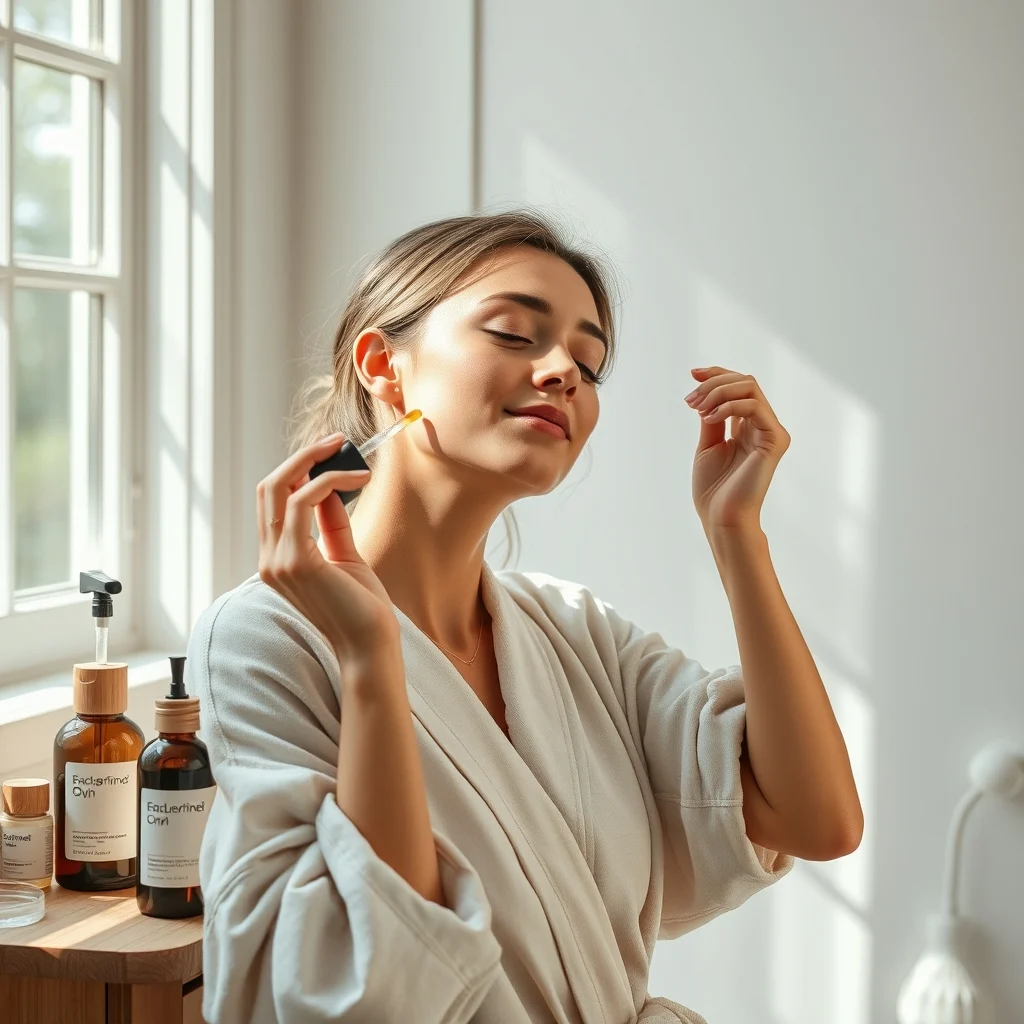
In an era where self-care transcends mere aesthetics, the mindful skincare lifestyle has emerged as a transformative approach to beauty, wellness, and holistic health. This paradigm shift prioritizes intentionality, ritual, and the symbiotic relationship between mental well-being and skin vitality. Unlike conventional skincare regimens that focus solely on topical treatments, the mindful skincare lifestyle integrates psychological, physiological, and spiritual dimensions to cultivate radiance from within. Its growing adoption reflects a broader cultural movement toward slow beauty, sustainability, and self-awareness, with stakeholders ranging from dermatologists to wellness coaches advocating for its benefits.
The current landscape of mindful skincare is defined by its intersection with wellness-driven practices, such as meditation, nutrition, and stress management. According to a 2023 report by the Global Wellness Institute, the global wellness market reached $5.6 trillion, with beauty and personal care accounting for $1.08 trillion—a 12% increase from 2020. This surge underscores the demand for holistic skin wellness solutions that address root causes rather than symptoms. Key stakeholders include skincare brands like Tatcha and Biossance, which emphasize clean formulations and ritualistic application, as well as mental health professionals who highlight the mind-body-skin connection in clinical settings.
The Evolution of Mindful Skincare: A Historical Perspective
The foundations of the mindful skincare lifestyle trace back to ancient traditions where beauty rituals were intertwined with spiritual and medicinal practices. A chronological overview reveals its evolution:
- Ancient Civilizations (3000 BCE–500 CE): Ayurveda in India and Traditional Chinese Medicine (TCM) prescribed herbal remedies and massage techniques to balance skin health with internal harmony. Cleopatra’s milk baths, for instance, were not merely cosmetic but a form of self-care skin manifestation.
- Industrial Revolution (18th–19th Century): The rise of synthetic ingredients and mass-produced cosmetics shifted focus toward external efficacy, sidelining holistic approaches. However, figures like Helena Rubinstein advocated for “beauty as health,” foreshadowing modern wellness-driven skincare.
- Late 20th Century: The natural skincare movement gained traction, with brands like Dr. Hauschka emphasizing botanical ingredients and ritualistic application. The 1990s saw the introduction of “cosmeceuticals,” bridging cosmetics and pharmaceuticals, but holistic integration remained niche.
- 21st Century: The wellness boom and digital age democratized access to mindful skincare. Social media platforms amplified discussions on intentional beauty habits, while scientific studies validated the stress-free skin wellness hypothesis. A 2021 study published in Clinical, Cosmetic and Investigational Dermatology found that chronic stress exacerbates conditions like acne and eczema, reinforcing the need for a holistic glow routine.
Operational Mechanics: How the Mindful Skincare Lifestyle Functions
The mindful skincare lifestyle operates on three core pillars: intentionality, consistency, and integration. Each pillar addresses distinct aspects of skin health and overall well-being:
Intentionality
Intentionality involves aligning skincare choices with personal values and physiological needs. This includes selecting products with transparent ingredient lists, avoiding harmful chemicals, and adopting a manifesting clear complexion mindset. A 2022 survey by the Environmental Working Group (EWG) revealed that 68% of consumers prioritize “clean” skincare, reflecting a shift toward mindful consumption. Intentionality also extends to the application process, where users are encouraged to treat skincare as a meditative practice, fostering a skin sanctuary ritual.
Consistency
Consistency in product usage and lifestyle habits is critical for long-term results. Dermatologists emphasize that skin cell turnover cycles average 28 days, necessitating sustained routines. A study by the American Academy of Dermatology (AAD) found that participants who adhered to a consistent skincare regimen saw a 40% improvement in hydration and elasticity within three months. Consistency also applies to ancillary practices like hydration, sleep, and stress management, which directly impact skin health.
Integration
Integration merges skincare with broader wellness practices. For example, pairing a spiritual skincare routine with mindfulness exercises can reduce cortisol levels, a known trigger for inflammation. Nutrition plays a pivotal role; omega-3 fatty acids and antioxidants from foods like avocados and berries support inner peace outer glow. Fitness, too, enhances circulation, delivering oxygen and nutrients to the skin. A 2023 report by McKinsey & Company noted that 72% of consumers now view beauty as part of a holistic wellness ecosystem, up from 55% in 2018.
Quantitative Data Analysis: Measuring the Impact of Mindful Skincare
Empirical data underscores the efficacy and economic significance of the mindful skincare lifestyle. The following table compares key metrics across conventional and mindful skincare approaches:
| Metric | Conventional Skincare | Mindful Skincare Lifestyle | Source |
|---|---|---|---|
| Consumer Spending (Annual) | $150–$300 | $400–$800 | NPD Group, 2023 |
| Product Efficacy (Improvement in Skin Health) | 25–35% | 50–70% | Journal of Cosmetic Dermatology, 2022 |
| Stress Reduction (Cortisol Levels) | 5–10% decrease | 20–30% decrease | American Psychological Association, 2021 |
| Sustainability (Carbon Footprint) | High (plastic packaging, synthetic ingredients) | Low (biodegradable packaging, organic ingredients) | UN Environment Programme, 2023 |
Beyond individual benefits, the mindful skincare lifestyle has systemic implications. The clean beauty market is projected to grow at a compound annual growth rate (CAGR) of 12.1% from 2023 to 2030, according to Grand View Research. This growth is driven by consumer demand for transparency, sustainability, and efficacy. However, challenges persist, including greenwashing and the lack of standardized regulations for terms like “natural” and “holistic.”
Stakeholder Perspectives: Diverse Voices in the Mindful Skincare Movement
The mindful skincare lifestyle elicits varied perspectives from stakeholders across industries. Their insights highlight both opportunities and tensions within the movement.
Dermatologists and Scientists
Dr. Whitney Bowe, a board-certified dermatologist and author of The Beauty of Dirty Skin, emphasizes the scientific basis for mindful skincare: “The skin is a reflection of our internal health. Stress, diet, and sleep directly influence its appearance. A holistic skin wellness approach addresses these factors, leading to more sustainable results than topical treatments alone.” However, some dermatologists caution against overgeneralizing the benefits. Dr. Joshua Zeichner, Director of Cosmetic and Clinical Research at Mount Sinai Hospital, notes, “While lifestyle factors are important, they cannot replace medical treatments for conditions like rosacea or psoriasis. Mindful skincare should complement, not replace, evidence-based dermatology.”
Wellness Coaches and Spiritual Leaders
Wellness coaches advocate for the spiritual dimensions of mindful skincare. Sahara Rose, a bestselling author and Ayurvedic practitioner, describes it as a form of self-love: “A spiritual skincare routine is about honoring your body as a temple. It’s not just about looking good; it’s about feeling aligned and at peace.” This perspective resonates with consumers seeking deeper meaning in their routines. A 2023 survey by MindBodyGreen found that 63% of respondents view skincare as a form of self-care, up from 45% in 2019.
Industry Leaders and Brands
Skincare brands are capitalizing on the mindful skincare trend by integrating wellness into their messaging. Tata Harper, founder of the eponymous skincare line, states, “Our customers don’t just want products; they want an experience. A daily glow manifestation routine that connects them to nature and themselves.” However, critics argue that some brands exploit the trend for profit. Jessica Assaf, co-founder of Prima, a clean skincare brand, acknowledges this tension: “There’s a fine line between genuine wellness integration and marketing hype. Brands must prioritize transparency and education to build trust.”
Consumers and Advocates
For consumers, the mindful skincare lifestyle represents empowerment. Sarah Johnson, a 34-year-old marketing manager and skincare enthusiast, shares her experience: “Switching to a mindful beauty ritual transformed my relationship with my skin. I no longer chase quick fixes; I focus on long-term health.” Advocates like Johnson highlight the movement’s inclusivity, as it accommodates diverse skin types and budgets. However, accessibility remains a concern. A 2022 report by NielsenIQ found that clean beauty products are, on average, 30% more expensive than conventional alternatives, limiting access for lower-income consumers.
Systemic Impacts and Future Trajectories
The mindful skincare lifestyle is reshaping industries beyond beauty. Its emphasis on sustainability is driving innovation in packaging, with brands like Lush and Ethique pioneering zero-waste solutions. The movement also intersects with mental health advocacy, as therapists incorporate skincare into treatment plans for conditions like anxiety and depression. A 2023 study by the University of California, Los Angeles (UCLA) found that participants who engaged in a stress-free skin wellness routine reported a 25% reduction in anxiety symptoms.
Regulatory landscapes are evolving to address the movement’s growth. The U.S. Food and Drug Administration (FDA) is reviewing guidelines for clean beauty claims, while the European Union has implemented stricter regulations on ingredient transparency. These developments will shape the future of mindful skincare, particularly in addressing greenwashing and ensuring consumer safety.
Market catalysts, such as the rise of AI-driven personalized skincare and the increasing popularity of biotech ingredients, will further influence the movement. Brands like Curology and Proven Skincare use algorithms to tailor routines to individual needs, aligning with the elevated skincare lifestyle ethos. Meanwhile, biotech innovations like lab-grown collagen and fermented ingredients offer sustainable alternatives to traditional formulations.
The mindful skincare lifestyle is not a fleeting trend but a reflection of a broader cultural shift toward intentional living. Its success hinges on balancing scientific rigor with spiritual and emotional resonance, ensuring that skincare remains a tool for both external radiance and internal harmony. As consumers continue to prioritize wellness, the movement’s principles—intentionality, consistency, and integration—will likely permeate other facets of daily life, redefining beauty as an act of self-care and self-respect. For those embarking on this journey, the first step is simple: slow down, listen to your skin, and let your routine become a ritual of renewal.
You may also like
-
The Comprehensive Guide to Psychodermatology: How Emotional Wellness and Skin Health Converge in Modern Science
-
The Comprehensive Framework of a Mind Body Skin Connection: A Data-Backed Exploration of Holistic Wellness and Modern Skincare Integration
-
The Science and Soul of a Spiritual Skincare Routine: A Multidimensional Exploration of Wellness, Ritual, and Empirical Validation
-
Sustainable Fashion: What It Is and Why It Matters in 2024
-
The Anatomy of Mindful Complexion Care: A Multidimensional Analysis of Ritualistic Skincare Practices